
Sometimes, children ask ridiculous questions. I think everyone here has probably rolled their eyes at a bright and inquisitive child at least once, while answering questions like “Why is the sky blue?” or “Why do we have to wear pants?” (The latter of which I am still not sure of a legitimate answer to.)
But there are a couple basic life questions that a child could ask me… and I would be unable to answer scientifically. Hence this blog. I would like to use this time to answer a question I have had since childhood and never bothered to truly research… until now.
What is leap year and why on earth (pun intended) does it need to happen? And in that same vein… why did February get jipped at only 28 days (most of the time)? Ahh. All in good time, folks. All in good time.
Leap year is defined as a calendar year with a single extra day in the mix, making a year of 366 days instead of 365. It is added to keep the calendar year synched up with the astronomical or seasonal year. What does that mean, exactly? Well, one full day on earth is the planet spinning around on its axis once. A year is how long it takes the earth to orbit the sun exactly once. Now the problem lies here – the earth actually orbits the sun 365.25 times – an “astronomical year.” Quite obviously, the .25 years accumulate and voilà! The stars threaten to drift out of sync with our calendar, so every four years we have one extra day laying around.

So how did we figure this all out? Ancient Egyptians actually discovered that it was 365.25 days by seeing the Sirius star drift out of sync first. However, much later (in 46 B.C.) Julius Caesar (with the help of an astronomer) discovered the same, and created the Julian Calendar with the leap year added. Today, a revised version of the Julian calendar called the Gregorian calendar (for Pope Gregory) is in use – leap years still hold true. However, every year that is divisible by 100 (1700, 1800 and 1900) will NOT be a leap year, even though they normally should be. Then again, every year divisible by 400 WILL be a leap year, even though it is also divisible by 100. Like the year 2000, which was a leap year, despite being divisible by 100.
You still with me? (Good, because I almost lost me there for a second.)
So all of this science behind us, we now know WHY we use leap years – so that we stay in sync with the stars! But why February? Well, it actually used to be that August had 28 days! But when Julius Caesar created the Julian calendar, he wanted his name month (Caesar Augustus) to be the full 31 days… so had it switched to February!

Now if only we could figure out why we still need to deal with daylight savings…
(Stay tuned for THAT blog coming to a computer screen near you this November.)


 No.
 Wednesday night.

 Before I leave Pasadena, I should mention poker.
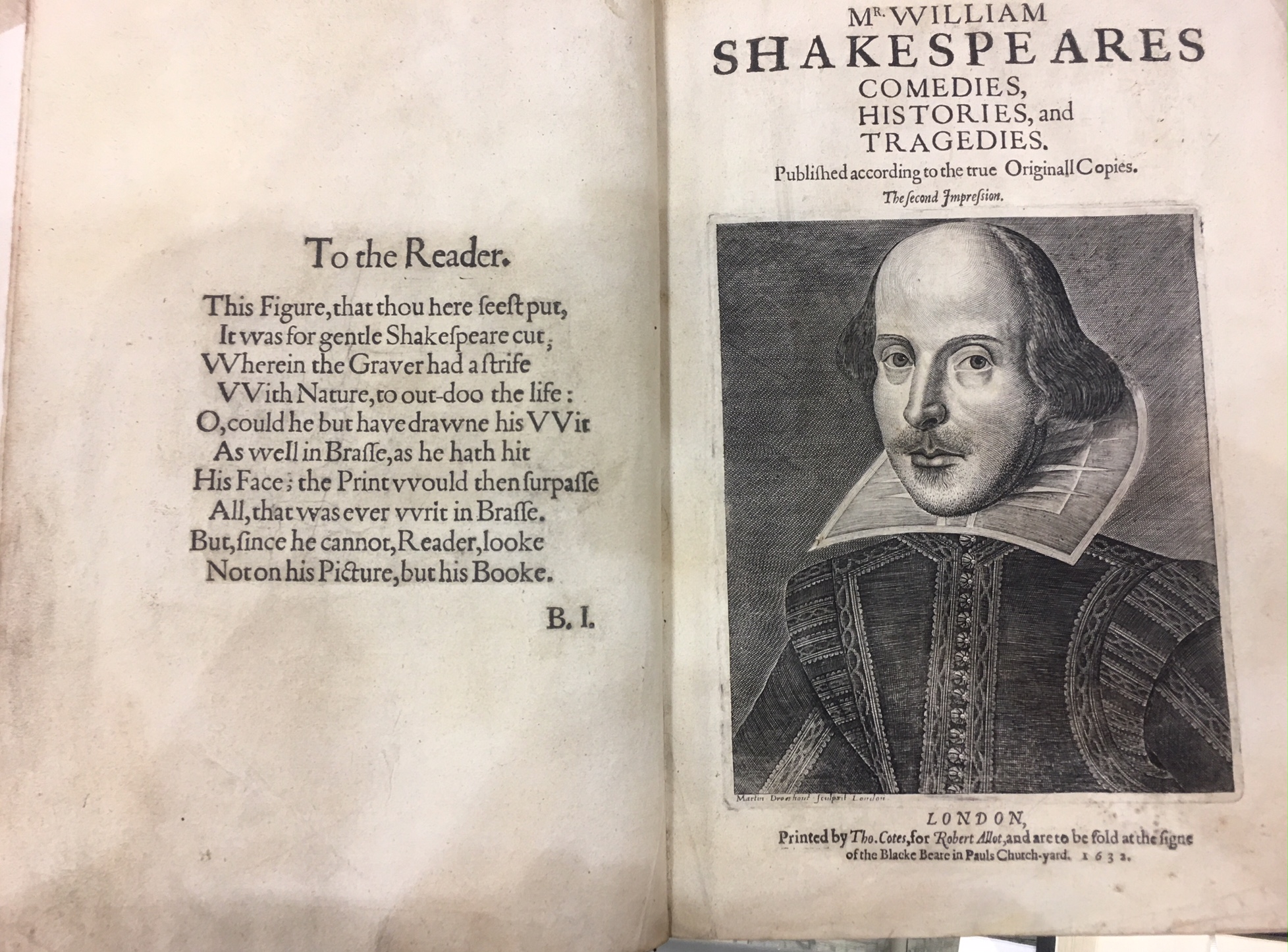
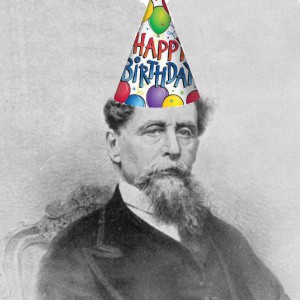

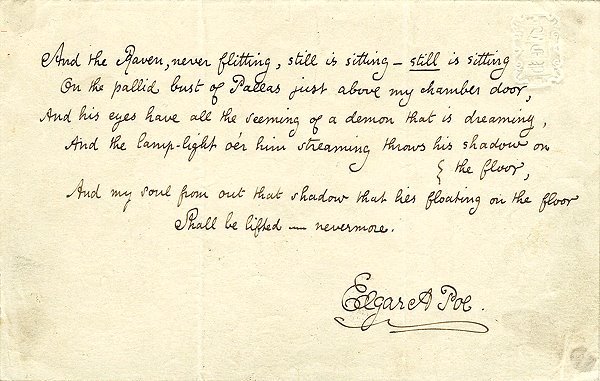


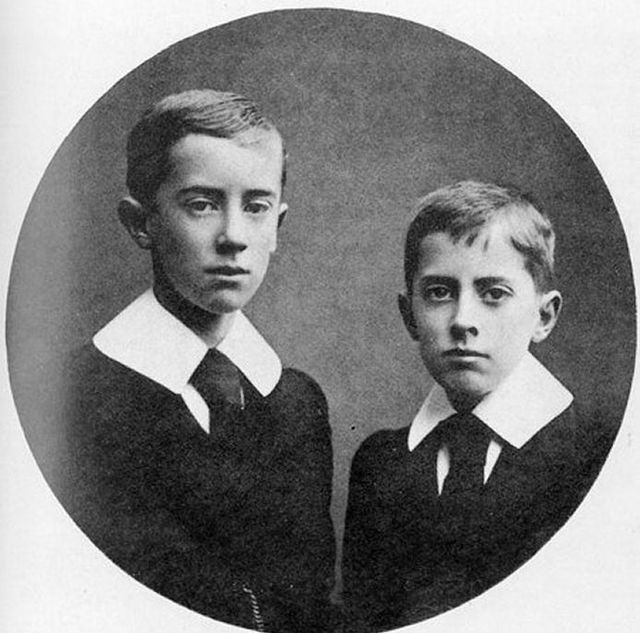 John Ronald Reuel Tolkien was born on January 3rd (yes, yes – we are one day late with this… so sue us!) 1892 in South Africa. Born to English parents, Ronald (as he was known) was followed by a brother just a couple years later. When he was only three years old, his mother took the sons on what was intended to be a long vacation in England to meet their family. While away, Ronald’s father took ill and passed away from rheumatic fever, and the Tolkien family, left without income, did not return to South Africa. His mother Mabel taught Ronald and his brother Hilary from home. Ronald showed an adept interest in languages early on, and was reading and writing around the age of four. His mother became a devout catholic in his early life, and when she passed away when Ronald was twelve years of age, he and Hilary became wards of her trusted advisor, catholic priest Father Francis. Francis would have a profound influence on Tolkien throughout his life.
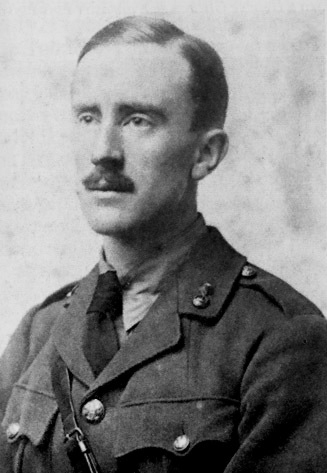 During his teenage years, Tolkien and two of his female cousins had a unique pastime… making up languages. Their languages, Animalic, Nevbosh and Naffarin varied in complexity and drew their roots from Latin, which his mother taught him as a young boy. Tolkien eventually began attending Oxford, at first studying Classics but soon realizing that his interests and talents lay in studying the English language and literature. He graduated in 1915 with first-class honors, a rarity for the year as it was looked down upon for Tolkien to have completed his studies before enlisting as a soldier in World War I.
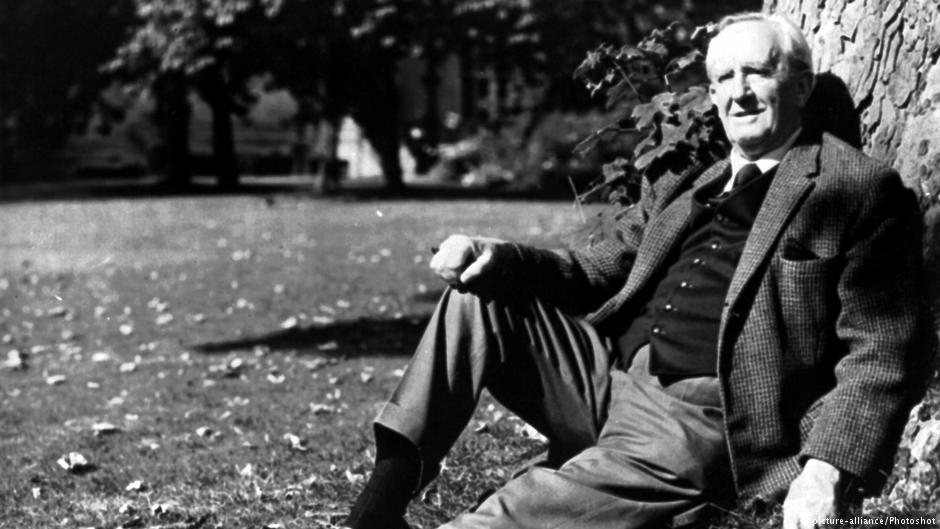
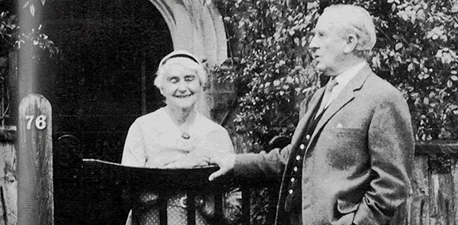 “Those friends who knew Ronald and Edith Tolkien over the years never doubted that there was deep affection between them. It was visible in the small things, the almost absurd degree in which each worried about the other’s health, and the care in which they chose and wrapped each other’s birthday presents; and in the large matters, the way in which Ronald willingly abandoned such a large part of his life in retirement to give Edith the last years in Bournemouth that he felt she deserved, and the degree in which she showed pride in his fame as an author. A principal source of happiness to them was their shared love of their family. This bound them together until the end of their lives, and it was perhaps the strongest force in the marriage. They delighted to discuss and mull over every detail of the lives of their children, and later their grandchildren.” Now if that doesn’t make you want to cry, then I don’t know what to tell you.
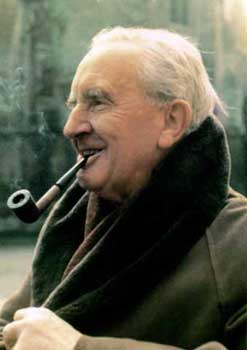 Edith passed away two years before Tolkien. While he lived those years pleasantly enough in very nice rooms provided him at Oxford and honored by the Queen in that time, Tolkien’s grandson Simon would go and visit his grandfather and Tolkien would speak of how he missed his wife and Simon would remark that he seemed “sad”. Tolkien is buried with his wife in Wolvercote Cemetery in Oxford, wanting to be buried in countryside (not in London, etc.) as he disliked industrialization and favored a quieter, country life. These facts were not what you were expecting from the man famed for creating the destructive and warring, mystical and fantasy world of Middle-Earth, now were they? In any case, Happy Birthday to J.R.R. Tolkien! Your work is still remembered and revered today.
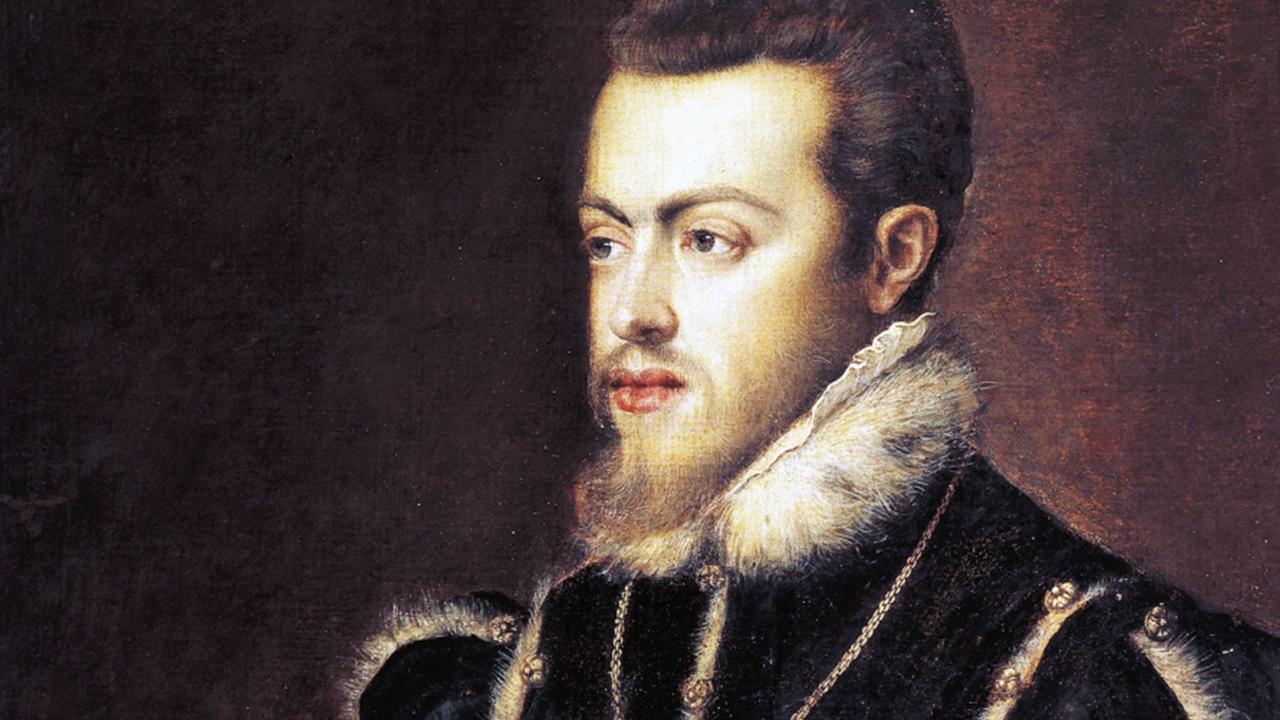
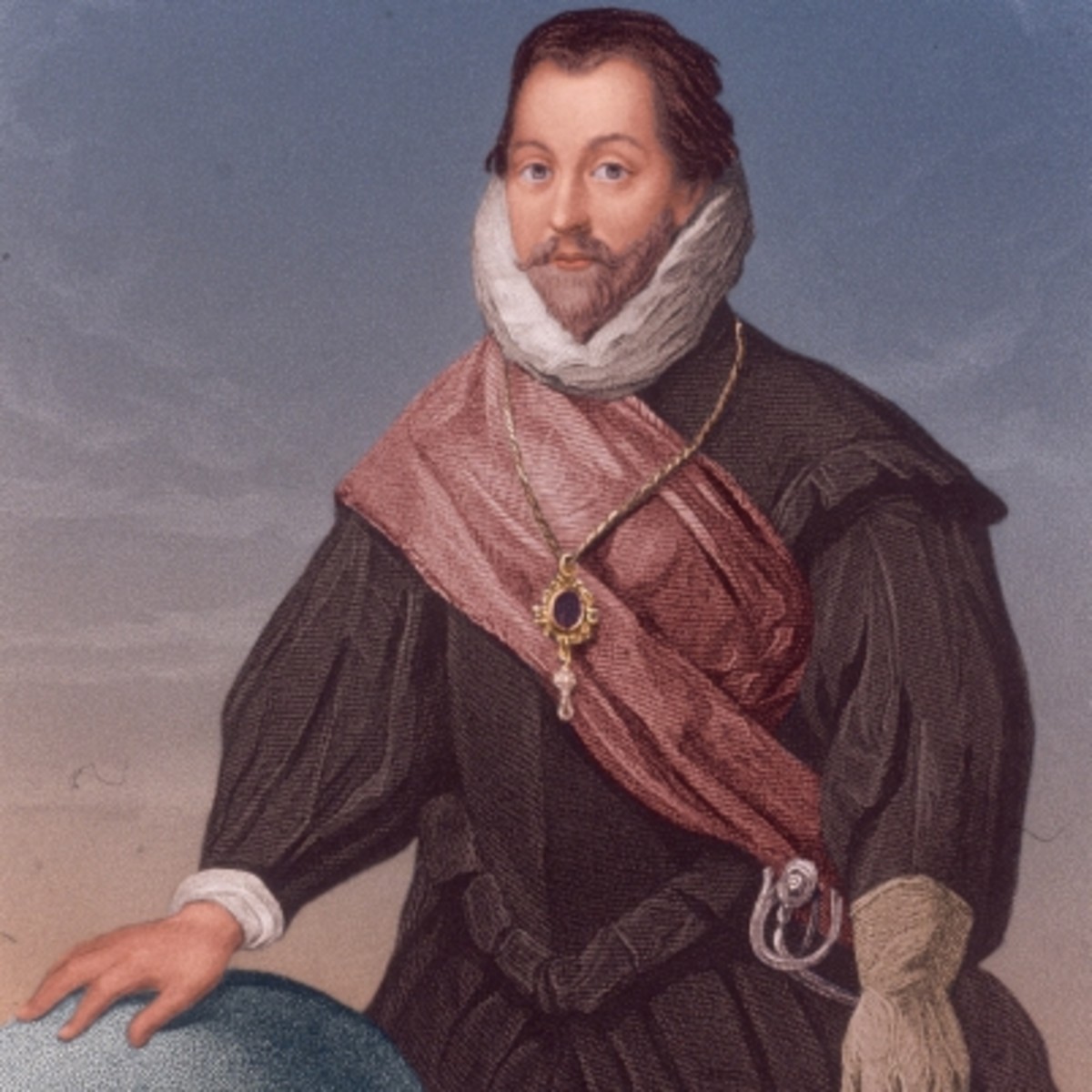 After a few adventures with his cousin, Drake spent much of the early 1570s living along the “Spanish Main” or the Panama Isthmus, attacking Spanish vessels and small settlements. During this time, fun fact, Drake climbed a tree on the Isthmus of Panama and looked out over the Pacific – being the first Englishman to ever behold the Pacific Ocean. Drake and his men eventually made it back to Plymouth, England, having captured much in Peruvian gold but having been forced to bury it along the way to avoid its recapture by the Spanish.
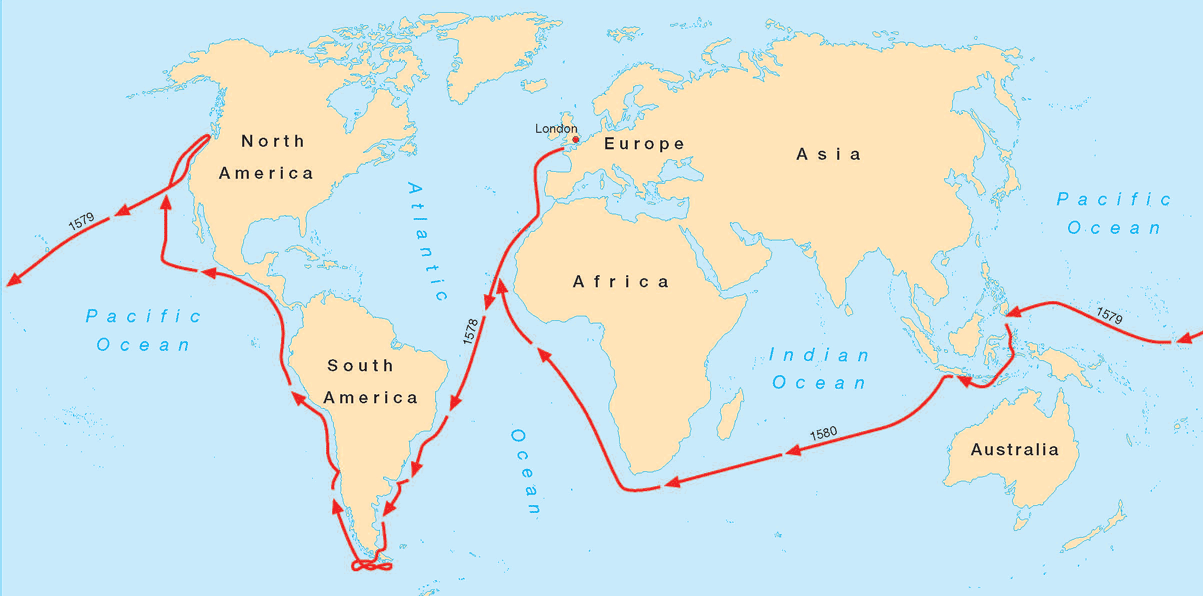 In 1577, Elizabeth I sent Drake (because of his “success” with the Isthmus raids) on an expedition to sail along the Pacific coast of the Americas. After one false start due to bad weather, the crew set final sail on the 13th of December, 1577. Drake set out with five ships (which soon became 6) and 164 men. The crew made it around Cape Horn, and went alongside the coast of South America pillaging and looting Spanish towns and ships along the way. Drake restocked and rested his ships on the Coast of California for a time, and then continued on to the Molucca islands in what is now known as Indonesia. Eventually Drake rounded the Cape of Good Hope – the southernmost tip in Africa, and made his way back to Plymouth, having circumnavigated the globe and made it around two of the most treacherous sailing spots in the world (both Capes) in just under three years.

 This year the bar, being held in the same large room as the dinner, seemed to be a bit more of an intimate affair (which I rather enjoyed). The large table of donations for the Elizabeth Woodburn / ABAA Benevolent Fund raffle was overflowing – as usual with impressive selections of beverages, but with also some fun gift baskets and chocolates, 2018 SF Giants baseball tickets, etc., etc!