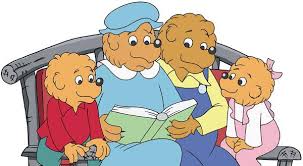
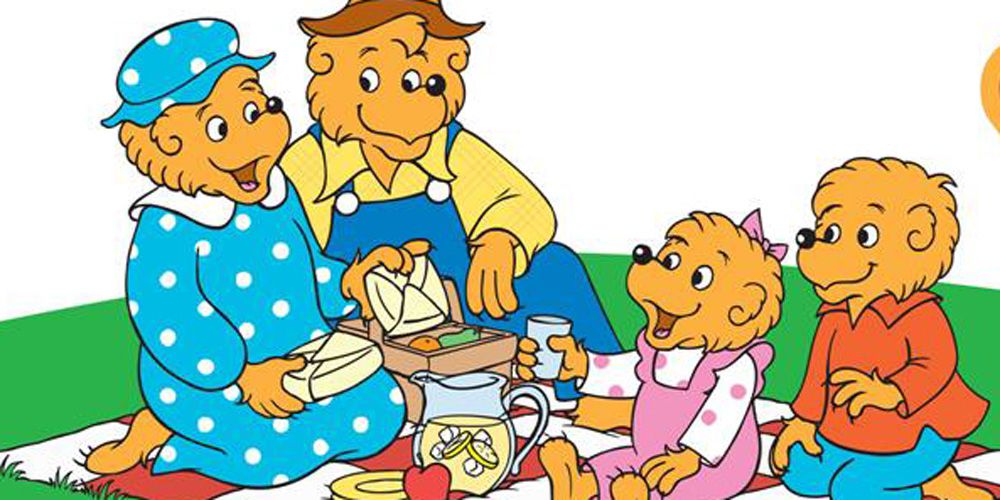
If you are a 90s child like myself (or a 70s child, or an 80s child, or a 2000s child…or even a 2010s child), I can guarantee that you know a family of bears… that live in (pretty much) the coolest treehouse ever… and whose sister and brother magically (almost) always get along. I grew up envying this small family and their adventures in pumpkin patches and at school. (So get to the point, you say?) Well today we thought we’d do a short feature on our favorite (fictional) family of bears… the Berenstain Bears, in honor of Jan’s birthday anniversary!
The Berenstain Bear family and franchise was created by Jan and Stan Berenstain in 1962, and has since become a series of over 300 titles. Since 2002, Jan and Stan’s son Mike continues the tradition by authoring the titles. A full family project, in a sense! Let’s see how it all came about…
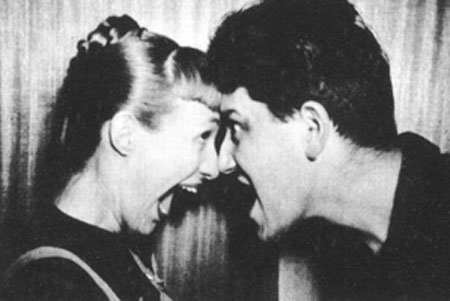 In 1941, Janice Grant and Stanley Berenstain met on their first day at the Philadelphia Museum School of Industrial Art and became close very quickly. At the onset of World War II, they took up different war effort posts (as a medical illustrator and riveter), but were eventually reunited and married in 1946. They found work as art teachers, then eventually became co-illustrators, publishing works like the Berenstain’s Baby Book in 1951 followed by many more (including, but not limited to Marital Blitz, How To Teach Your Children About Sex Without Making A Complete Fool of Yourself and Have A Baby, My Wife Just Had A Cigar). In the early 1960s the Berentain’s first “Berenstain Bears” book made it to a very important colleague and publisher – Theodore Geisel – or, as some of you may remember from our somewhat recent blog, Dr. Seuss!
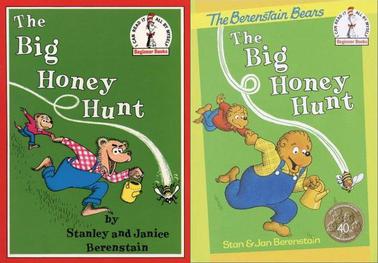 Geisel traded ideas with the Berenstains for over a year – until he finally felt like they had a marketable product for the American public. In 1962, The Big Honey Hunt hit shelves across the USA. The Berenstains were working on their next book – featuring penguins – when Geisel got in touch to say another bear book was needed by demand, as The Big Honey Hunt was selling so undeniably well. Two years later The Bike Lesson came out… which began a waterfall of publications… at least one a year since then, but typically more than a few. A record 25 Berenstain Bears books were published in 1993 alone! Six titles have already been published in 2018. The immediate success of the Berenstain Bears lead to a situation not unlike the popular Hardy Boys series or Nancy Drew’s popularity – only for a younger age range and with a somewhat different tone. Not to mention all written and illustrated by the same authors, at least until Mike Berenstain took over the franchise in 2002. Jan and Stan were quite a busy pair for a number of years!

Jan and her son Mike, the now author of the series.
Now why were the bears as successful as they were? Though some criticism has fallen on the books over the decades for its “formulaic” and “syrupy” tone, the books have also seen 35 titles in the Publishers Weekly top 250 titles of all time, and 15 titles in the top 100 Children’s Paperbacks. As an educational series (each title dealing with a somewhat moral or educational lesson for youngsters) it has received many accolades. However, as stated the series has also received criticism for being outdated and perpetuating stereotypes from its beginning. That being said, I do not believe that anyone, even those critical of the texts, can deny the obvious influence they have had on children and families… for decades! The bears provided a learning ground for warm and cuddly (if only mildly didactic) lessons for young children in the United States.
And the rest of the world. Because it has been translated into 23 languages.
Happy Birthday to Jan Berenstain and the family of Berenstain (NOT “Berenstein”) Bears – Mama, Papa, Brother, Sister and Honey!
(…How come Honey gets an actual name?)
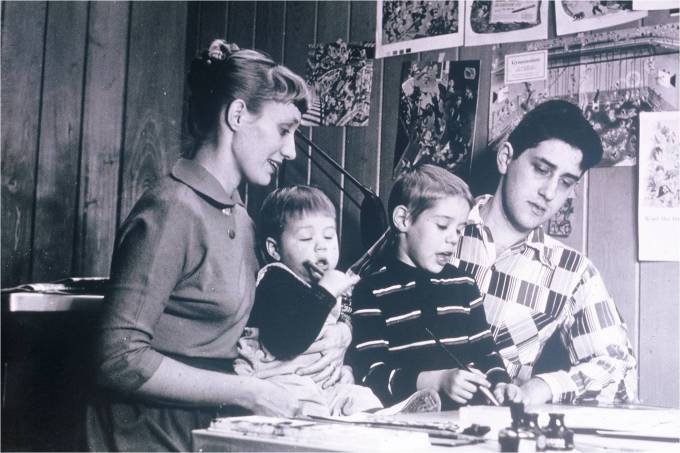
Jan & Stan working in their studio with sons Leo and Mike. One big happy family!


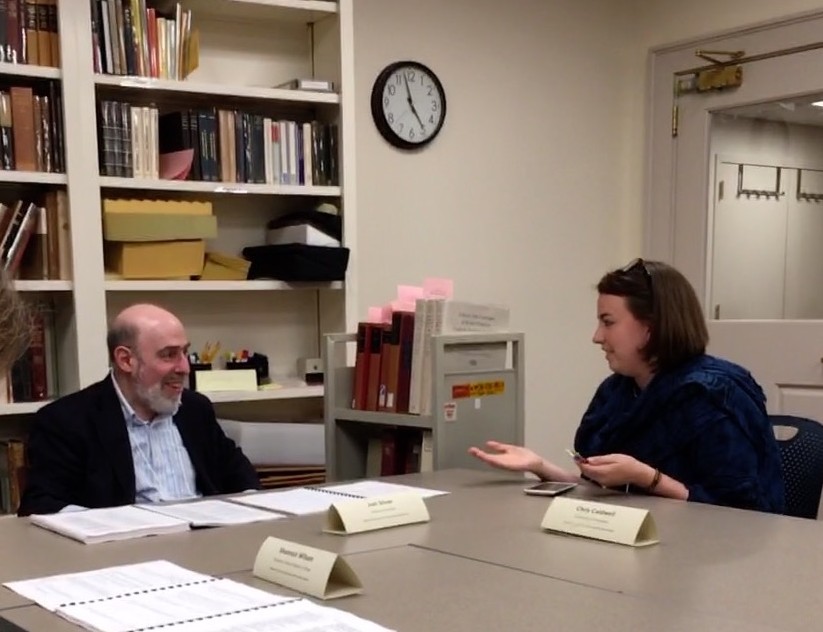
 RBS provides you with the ultimate learning environment. The faculty is a who’s who of rare book experts, who unselfishly divulge their secrets, meant to be shared further with others. Students are free to select their favorite course(s) only, but once you experience this wonderful place, you will want to return soon and often. There is no competition, no cramming, no grades. This is learning at its best. Hint: get to know your peers; they will be delightful and VERY helpful to you. The RBS staff made hard work look easy; everything ran without a hitch. People enjoyed their chosen course, each a shortcut to expertise garnered over a lifetime. Casual, well-attended get-togethers formed naturally during breaks; people were very happy to be there. It felt like a week-long vacation from reality.



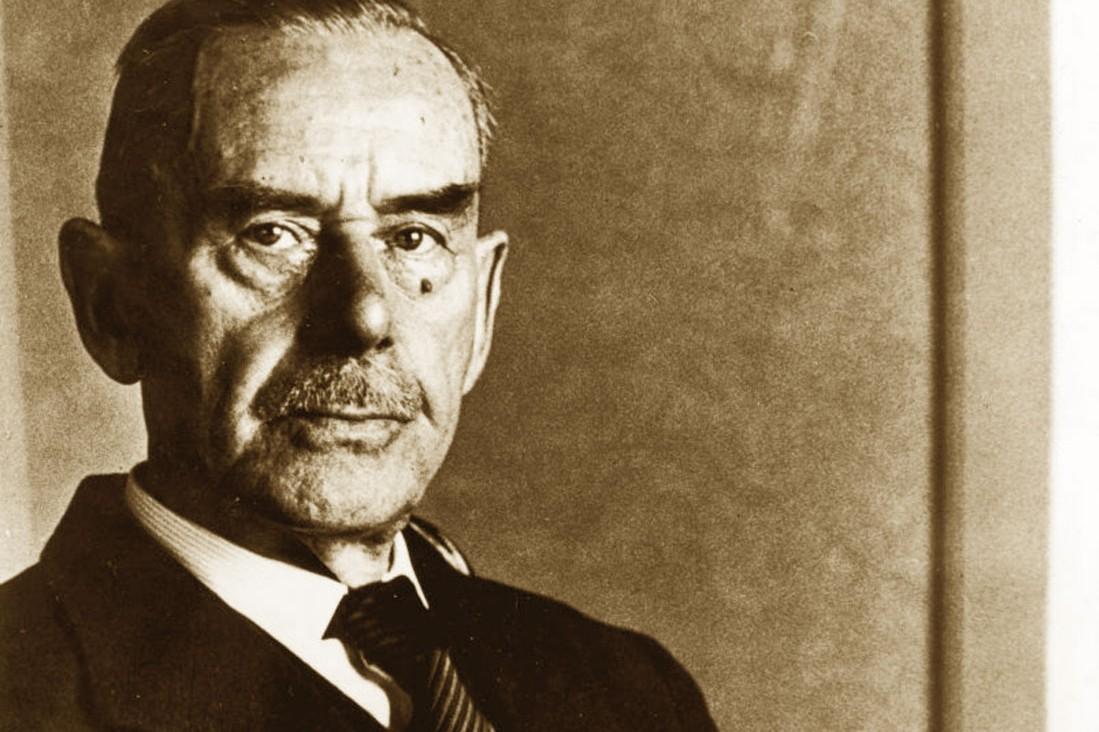

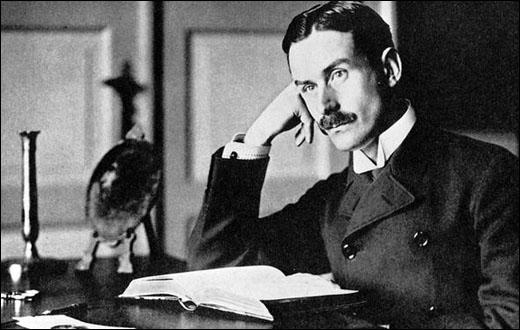
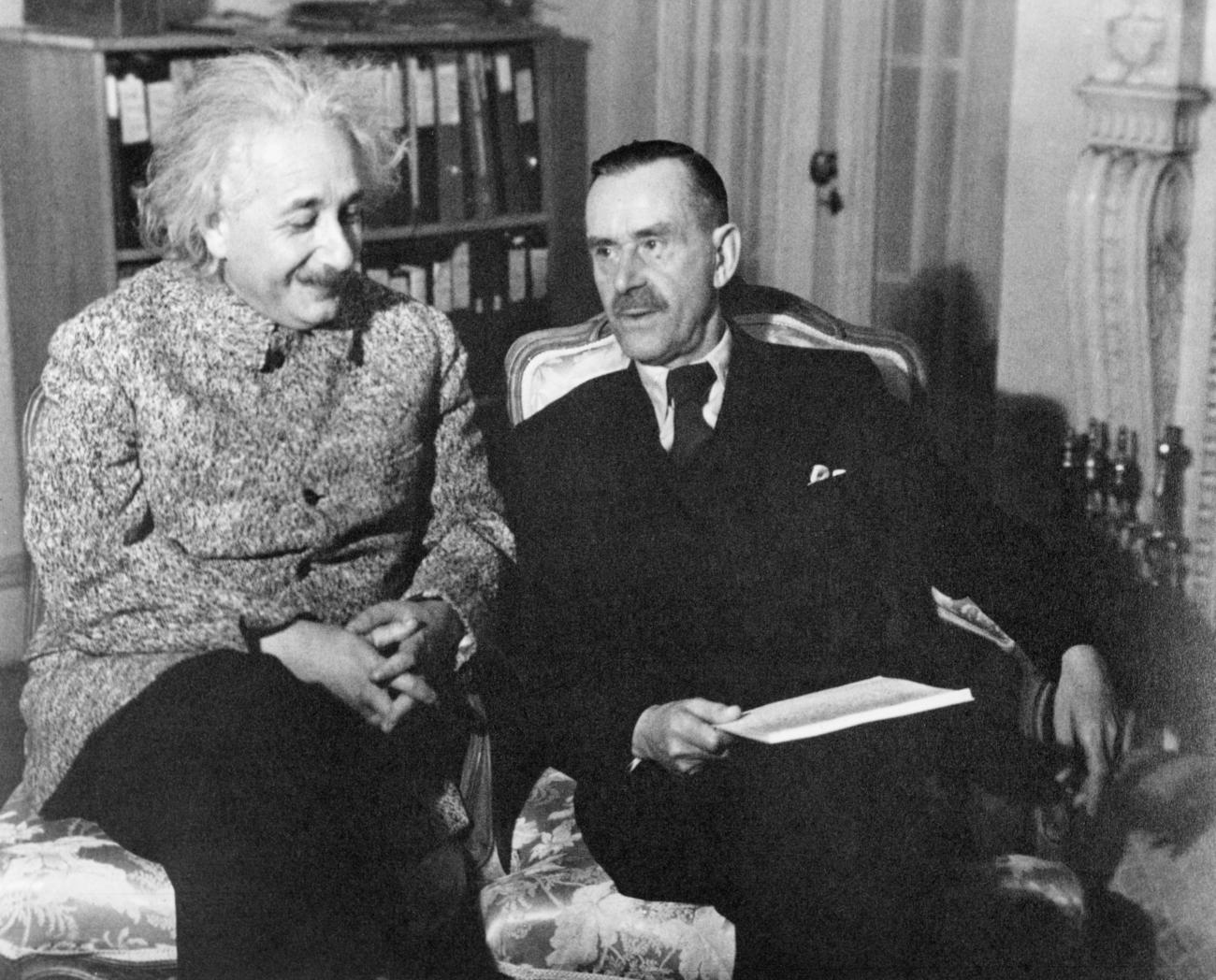

 Now, Voltaire’s early life does not necessarily reflect my friends insistence that Voltaire “always got away with it.” As a matter of fact… he totally didn’t. Voltaire spent almost a year imprisoned in the Bastille for accusing a member of the royal family of incest with his daughter in a satirical poem (I mean… what exactly did he expect?). Seven months after his release in 1718, however, his play Oedipus debuted at the Comédie-Française in Paris a spectacular success. Not only did it land Voltaire on the literary map (for something other than scandal), but it also marked the first time he used his pen name – Voltaire, an anagram of the Latin spelling of his surname, AROVET LI (though there are several schools of thought for how Voltaire settled on “Voltaire”). Despite the importance of this name today, what is not necessarily commonly known is that throughout his lifetime Voltaire wrote under 178 different pen names.
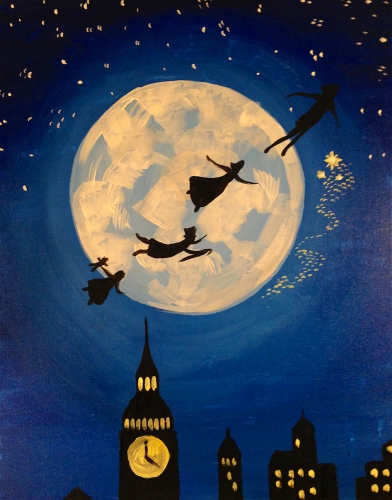
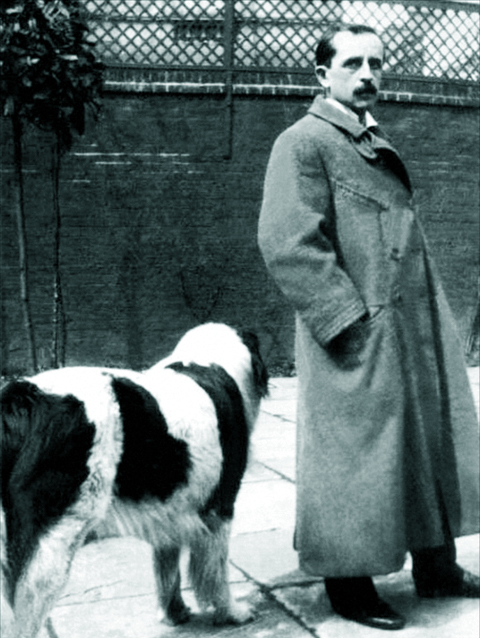 Barrie wrote several successful plays (and a couple flukes), but his third script brought him into contact with a young actress of the day – Mary Ansell – who would later, in 1894, become Barrie’s wife. For their union Barrie gifted Mary a St. Bernard puppy – who would become the inspiration for “Nana” in later years. They settled in London but kept a country home in Farnham, Surrey. In 1897 Barrie became acquainted with a nearby family – the Llewelyn Davies family.
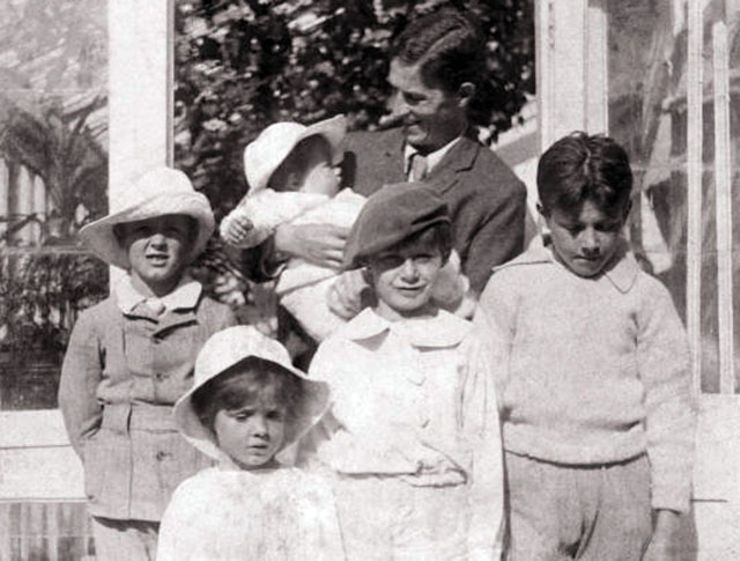 Inspired largely by the stories he told to the Llewelyn Davies family, Barrie began to formulate a story of a boy who wouldn’t grow up, who flew around and had adventures. Not unlike Charles Dodgson’s Alice a century before, Barrie began to write his story into a play and once debuted in 1904, the play Peter Pan; or the Boy Who Wouldn’t Grow Up was an immediate success. George Bernard Shaw said of the performance, “ostensibly a holiday entertainment for children, but really a play for grown-up people” – a wonderful description of the meanings and metaphors found in Peter Pan. Though children may see the adventure story on the outside, the adults in the audience could see what was really at play (pun intended) – Barrie’s social commentary on the adult’s fear of time and growing old and losing their childish innocence and fun, to name just a few.




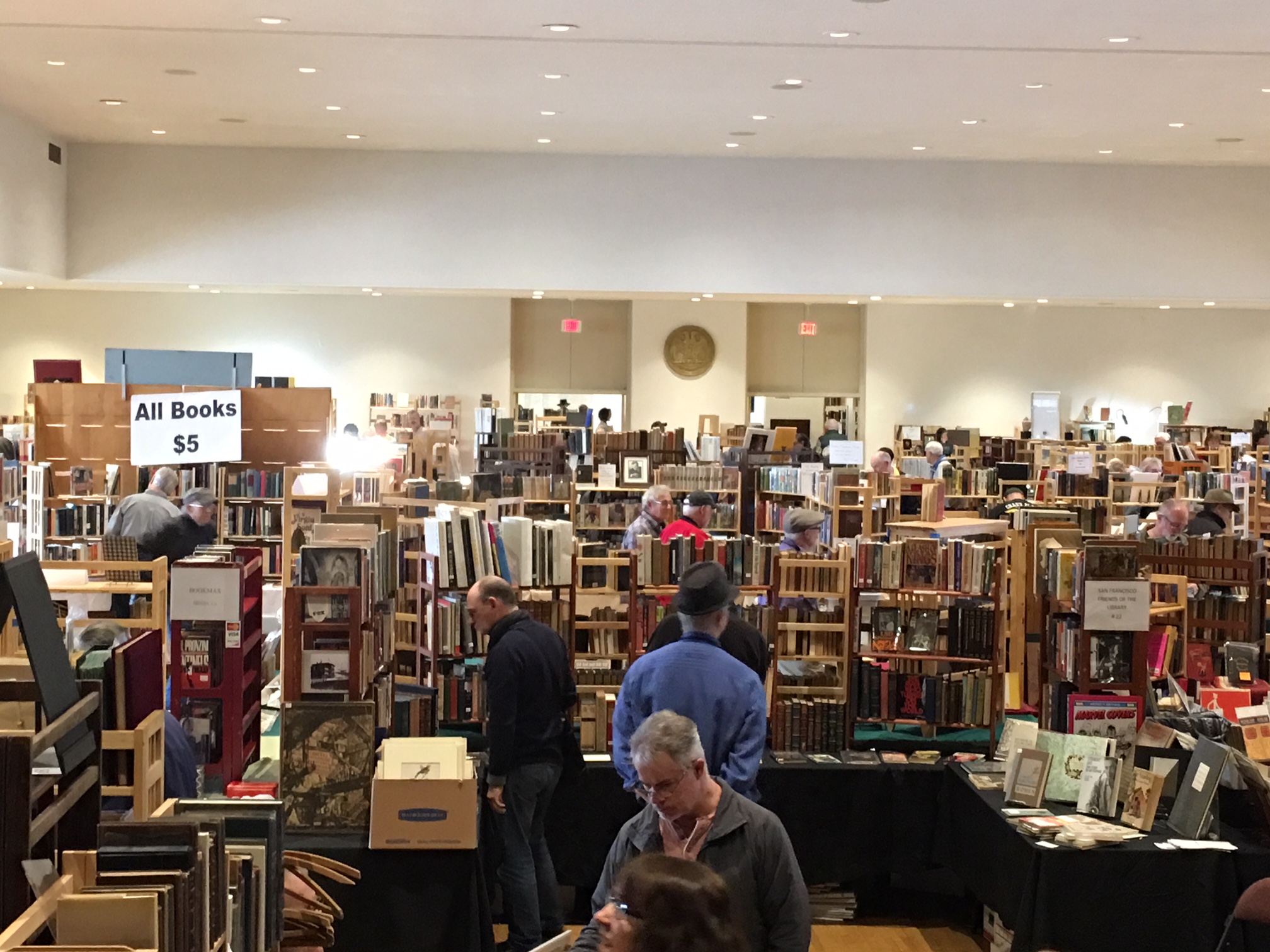
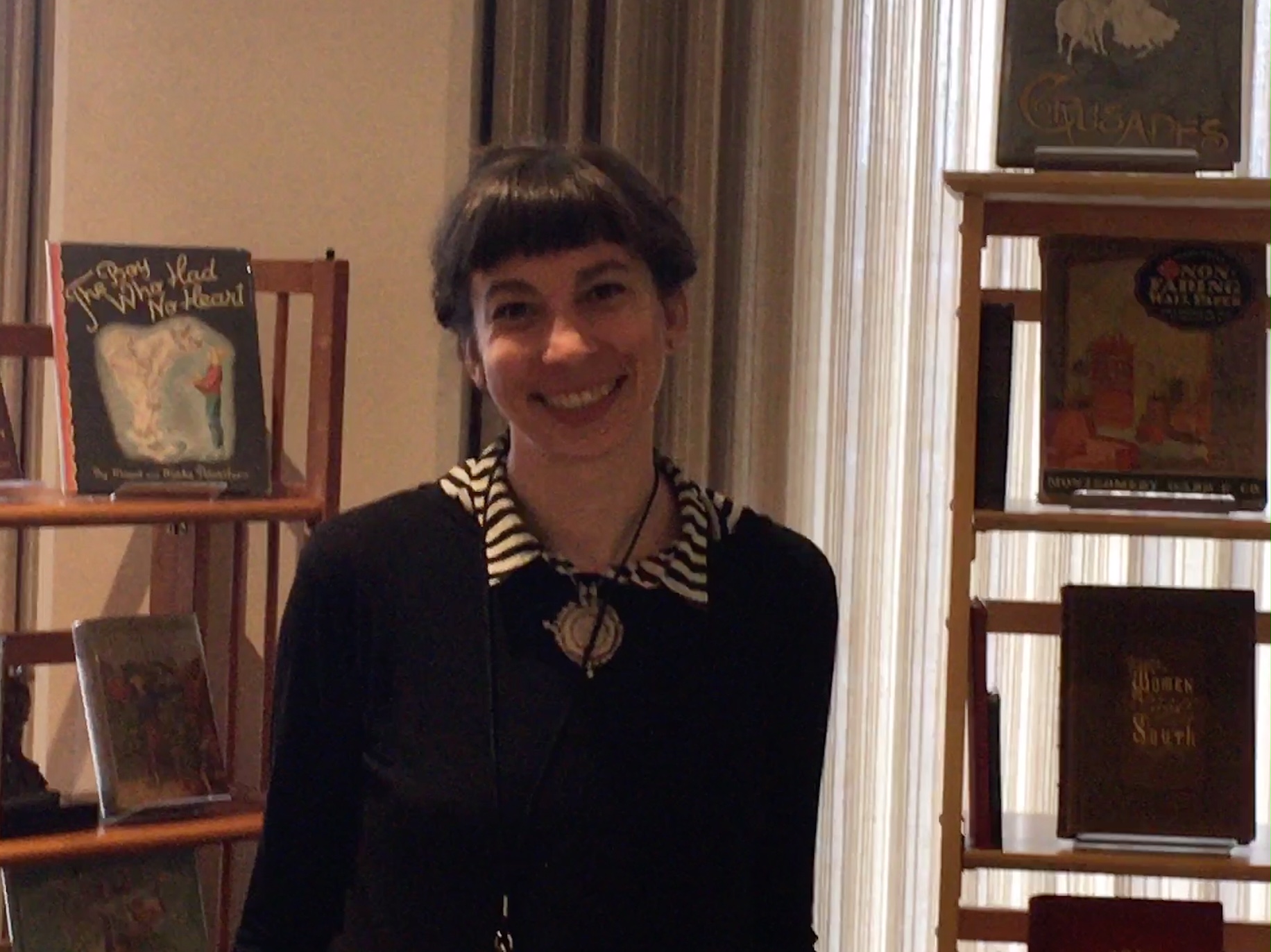 This particular fair was also memorable for another reason… it was the first ever for my new assistant, Samm Fricke. Samm came on board last Wednesday. Yes, you read that right, she’d only been in my employ for 2 days before I whisked her off to help me man the Tavistock Books’ booth. She did great! And the good ship Tavistock…? The buying was great*; sales, not so much. But that said, unless someone buys out your booth, there’s always room for improvement, isn’t there?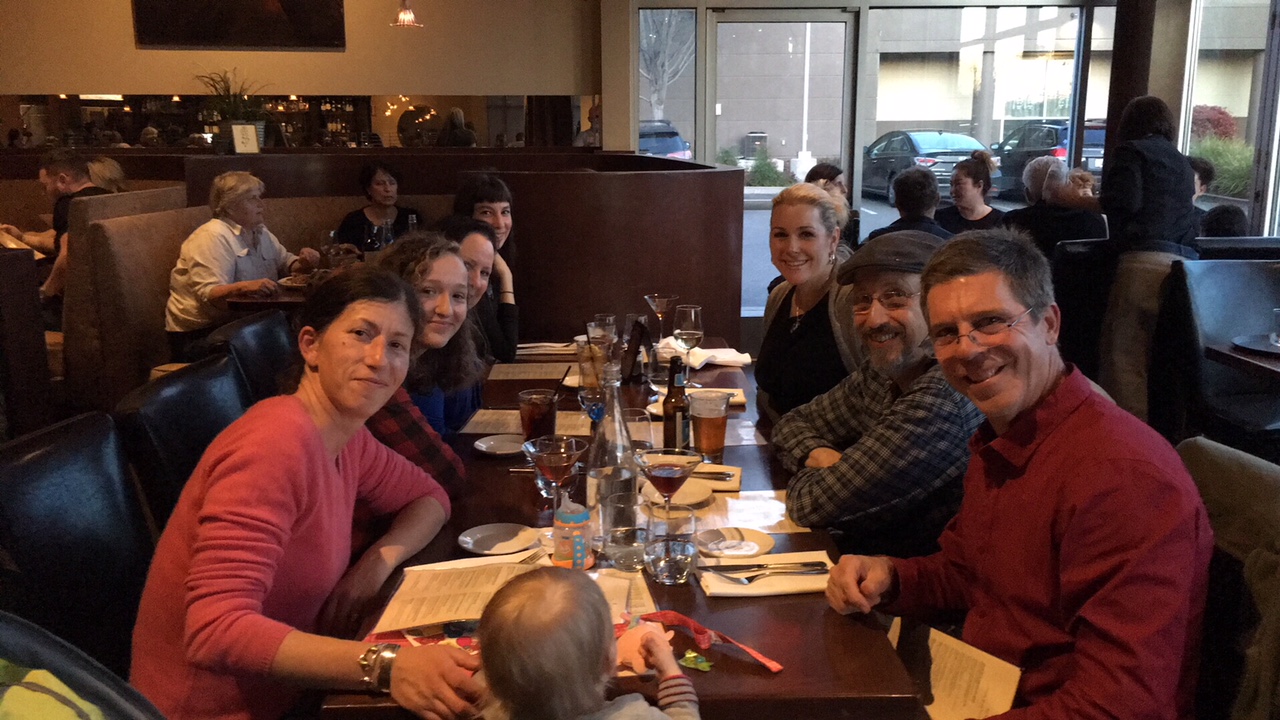
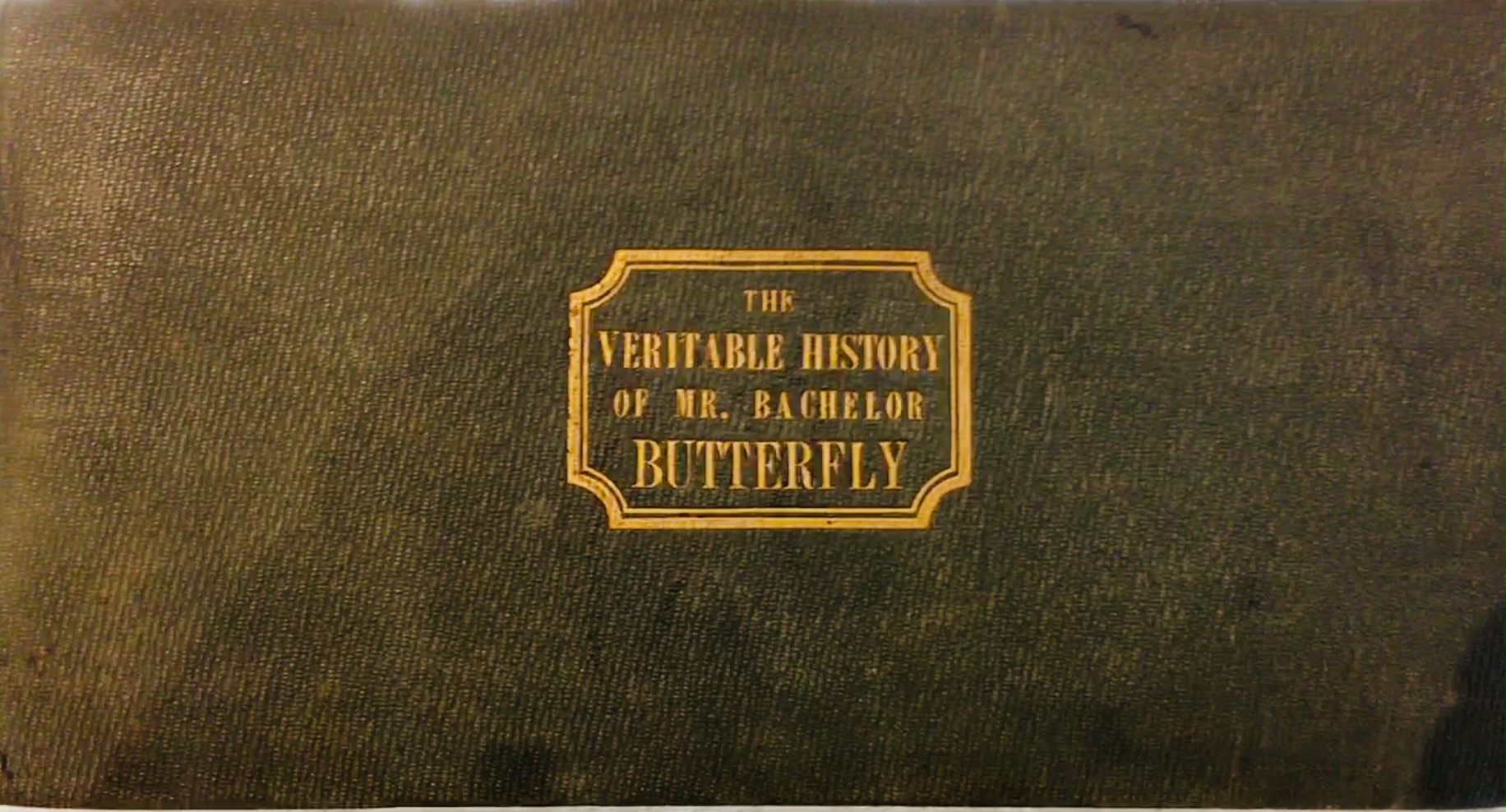 * watch for our New Acquisitions list… lots of interesting material will be coming your way!
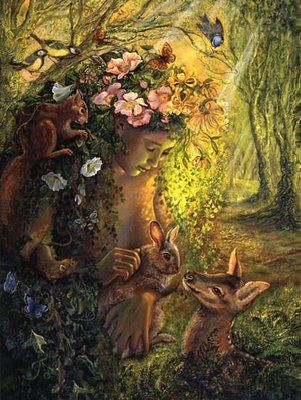 The vernal equinox has been celebrated for centuries – Ancient Egyptians built the Great Sphinx so that it faces exactly the rising sun on the vernal equinox, and pagans (or ancient Anglo-Saxons, if we’re being politically correct) celebrated the Germanic Goddess Eostre (or Ostara) – the Teutonic goddess of spring and dawn, a symbol of fertility whose sacred spirit animal was – you may have guessed it – a fertile bunny rabbit! The symbol of an egg wasn’t far away – eggs are a (pretty obvious) ancient symbol of rebirth. Christianity adopted the holiday for their own celebration of Easter, the rebirth of Jesus Christ. As is obvious from all of these examples, it is a day that celebrates the coming of spring – of greenery, harvest, enjoyment and abundance!