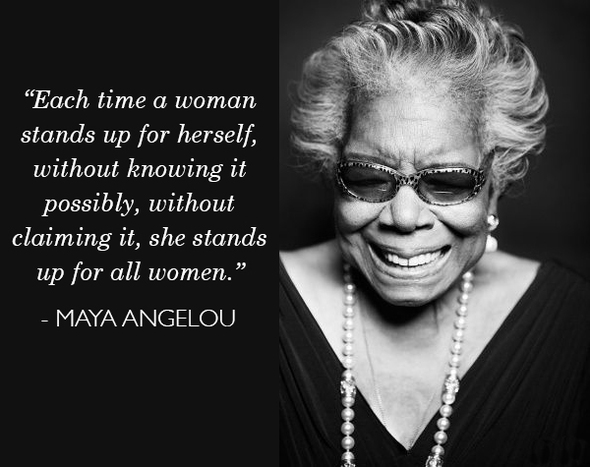
We recently saw an interesting article online, detailing the “Best Female Authors” of all time. On this, what would be Dr. Maya Angelou’s 90th birthday, we would like to channel her inner strength and power as a leading poet, singer, memoirist, and civil rights activist and honor some of the most famous female authors of all time.
Top Twenty-Five Female Authors of All Time in One Sentence or Less
Followed by the First Sentence or So Found about these Powerful Ladies on the Internet (A Rather Fascinating Social Experiment, No?)
(Obviously Debatable, but these names are based on Book Sales and those found to be Classics Today)
Jane Austen: “an English novelist known primarily for her six major novels, which interpret, critique and comment upon the British landed gentry at the end of the 18th century.”
Virginia Woolf: “an English writer, who is considered one of the foremost modernist authors of the 20th century and a pioneer in the use of stream of consciousness as a narrative device.”
Charlotte Bronte: “is one of the most famous Victorian women writers, only two of her poems are widely read today, and these are not her best or most interesting poems.”
Agatha Christie: “Lady Mallowan, DBE was an English writer. She is known for her 66 detective novels and 14 short story collections, particularly those revolving around her fictional detectives Hercule Poirot and Miss Marple.”
Mary Shelley: “an English novelist, short story writer, dramatist, essayist, biographer, and travel writer, best known for her Gothic novel Frankenstein: or, The Modern Prometheus (1818).”
Louisa May Alcott: “was born in Germantown, Pennsylvania on November 29, 1832. She and her sisters Anna, Elizabeth, and [Abba] May were educated by their father, teacher/philosopher A. Bronson Alcott, and raised on the practical Christianity of their mother, Abigail May.”
J.K. Rowling: “is the creator of the Harry Potter fantasy series, one of the most popular book and film franchises in history.”
George Eliot (Mary Anne Evans): “was an English novelist, poet, journalist, translator and one of the leading writers of the Victorian era.”
Emily Dickinson: “is one of America’s greatest and most original poets of all time.”
Sylvia Plath: “was one of the most dynamic and admired poets of the 20th century.”
Toni Morrison: “American writer noted for her examination of black experience (particularly black female experience) within the black community.”
Margaret Atwood: “is a Canadian poet, novelist, literary critic, essayist, inventor, and environmental activist.”
Elizabeth Gaskell: “often referred to as Mrs Gaskell, was an English novelist, biographer, and short story writer.”
Willa Cather: “established a reputation for giving breath to the landscape of her fiction.”
Dorothy Parker: “was an American poet, writer, critic, and satirist, best known for her wit, wisecracks and eye for 20th-century urban foibles.”
Gertrude Stein: “was an American author and poet best known for her modernist writings, extensive art collecting and literary salon in 1920s Paris.”
Ursula Le Guin: an “immensely popular author who brought literary depth and a tough-minded feminist sensibility to science fiction and fantasy with books like ‘The Left Hand of Darkness'”
Isabel Allende: “s a Chilean-American writer. Allende, whose works sometimes contain aspects of the genre of “magical realism,” is famous for novels such as The House of the Spirits (La casa de los espíritus, 1982) and City of the Beasts (La ciudad de las bestias, 2002), which have been commercially successful.”
Edna St. Vincent Millay: “received the Pulitzer Prize for Poetry in 1923, the third woman to win the award for poetry, and was also known for her feminist activism.”
Mary Wollstonecraft: “an English writer and passionate advocate of educational and social equality for women.”
Alice Walker: “is a Pulitzer Prize-winning, African-American novelist and poet most famous for authoring ‘The Color Purple.'”
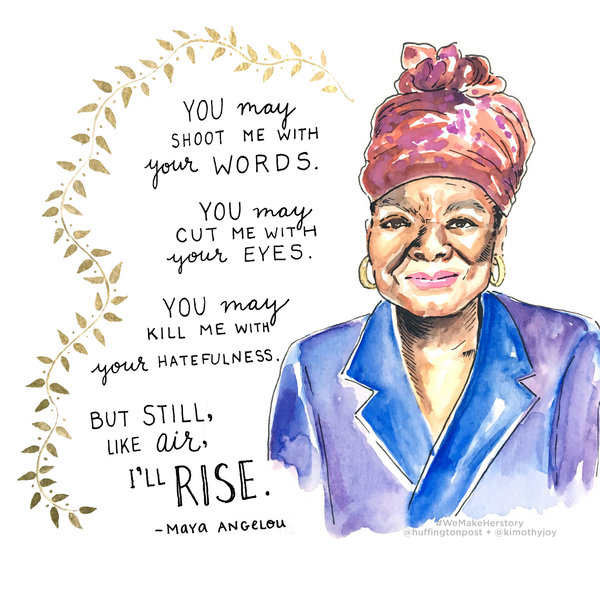
Maya Angelou: “an impactful civil rights leader who collaborated with Martin Luther King Jr. and Malcolm X during the Civil Rights movement. “
Judy Blume: “spent her childhood in Elizabeth, NJ, making up stories inside her head. She has spent her adult years in many places, doing the same thing, only now she writes her stories down on paper.”
Betty Friedan: “a leading figure in the women’s movement in the United States, her 1963 book The Feminine Mystique is often credited with sparking the second wave of American feminism in the 20th century.”
Thank you to these powerful, courageous and wonderful writers for their influence on female empowerment!


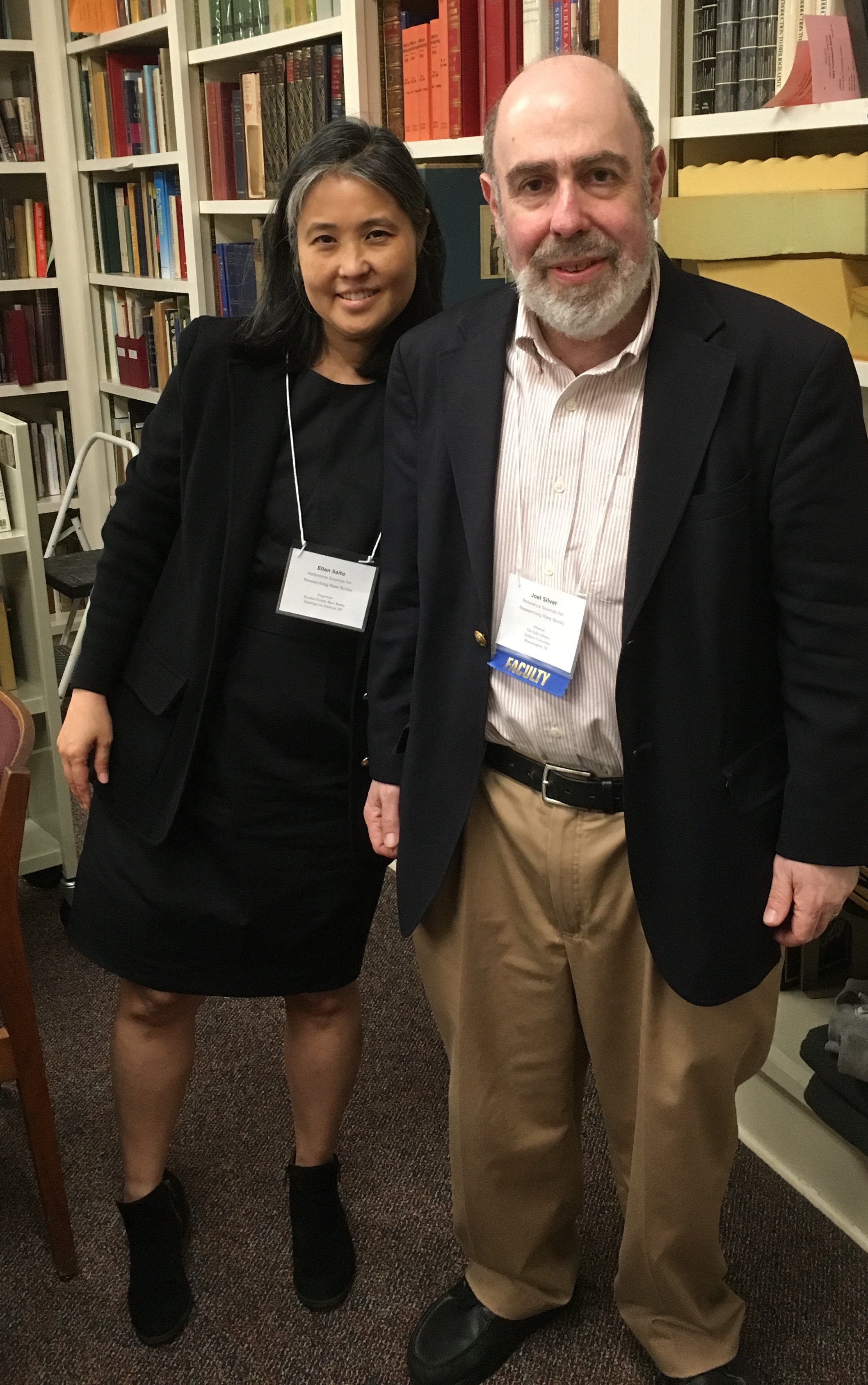
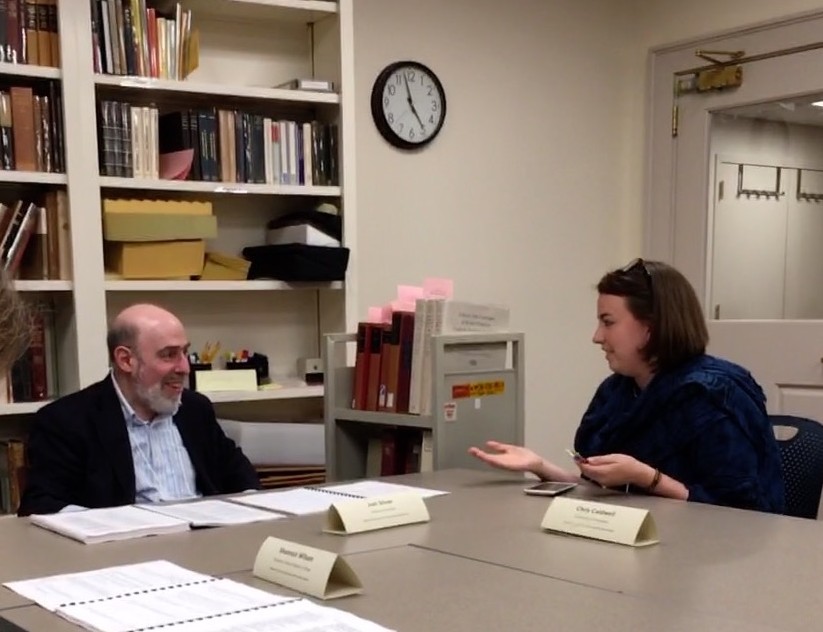
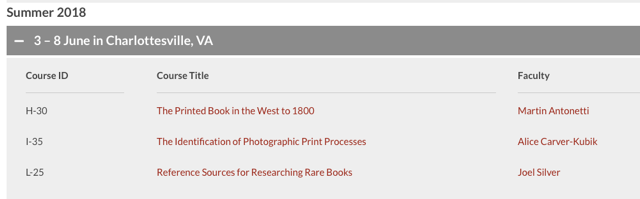
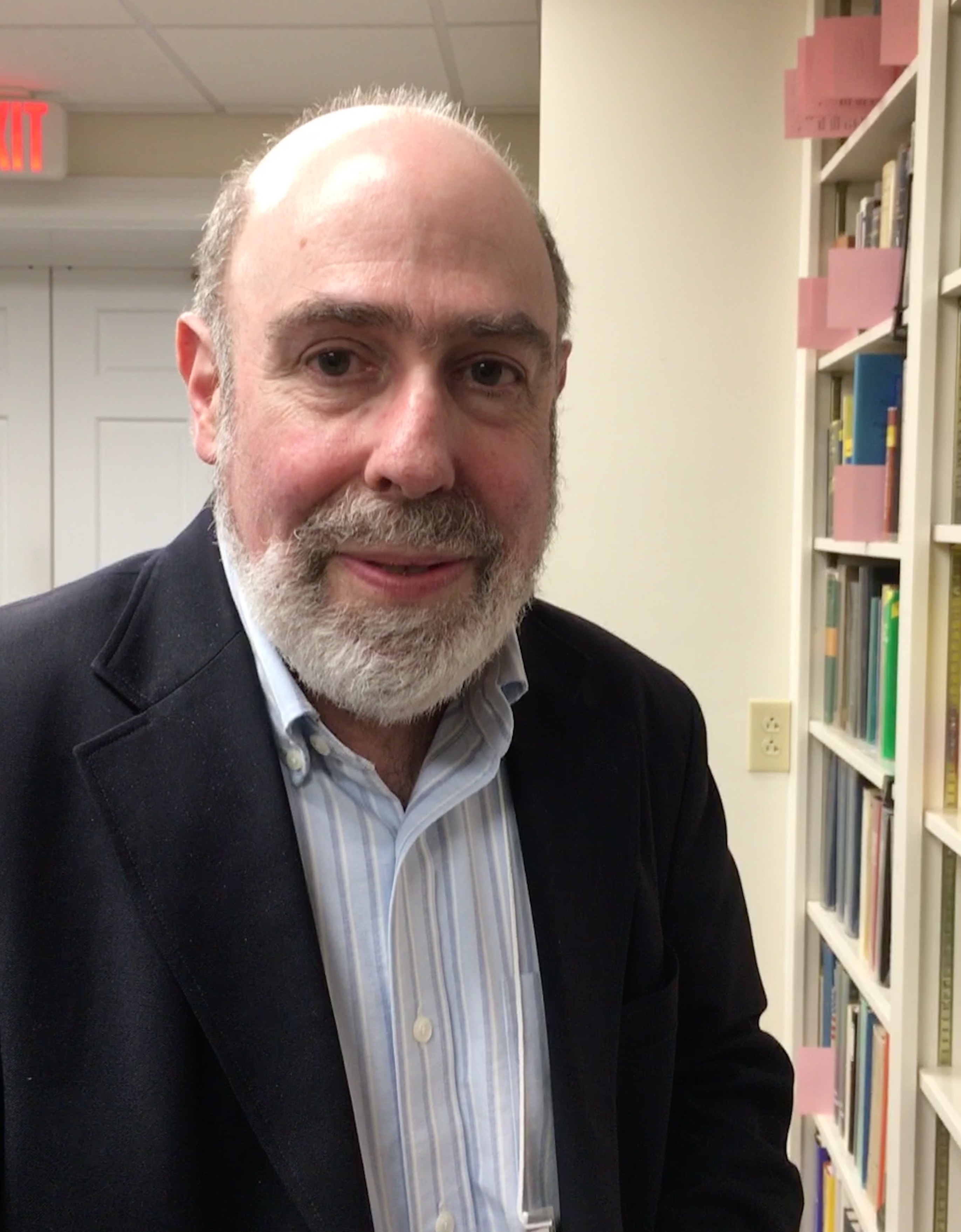
 RBS provides you with the ultimate learning environment. The faculty is a who’s who of rare book experts, who unselfishly divulge their secrets, meant to be shared further with others. Students are free to select their favorite course(s) only, but once you experience this wonderful place, you will want to return soon and often. There is no competition, no cramming, no grades. This is learning at its best. Hint: get to know your peers; they will be delightful and VERY helpful to you. The RBS staff made hard work look easy; everything ran without a hitch. People enjoyed their chosen course, each a shortcut to expertise garnered over a lifetime. Casual, well-attended get-togethers formed naturally during breaks; people were very happy to be there. It felt like a week-long vacation from reality.

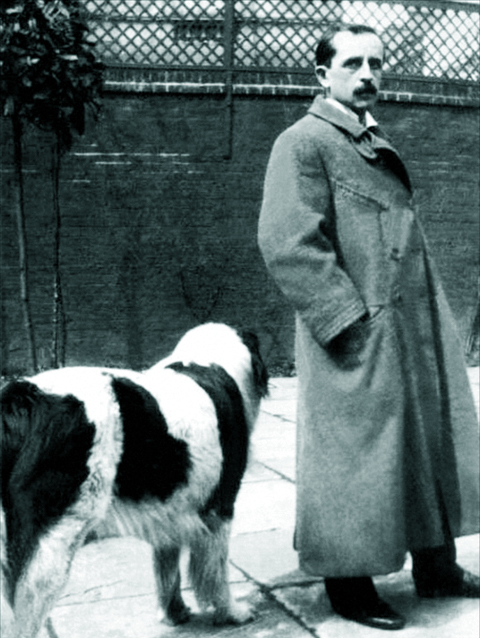 Barrie wrote several successful plays (and a couple flukes), but his third script brought him into contact with a young actress of the day – Mary Ansell – who would later, in 1894, become Barrie’s wife. For their union Barrie gifted Mary a St. Bernard puppy – who would become the inspiration for “Nana” in later years. They settled in London but kept a country home in Farnham, Surrey. In 1897 Barrie became acquainted with a nearby family – the Llewelyn Davies family.
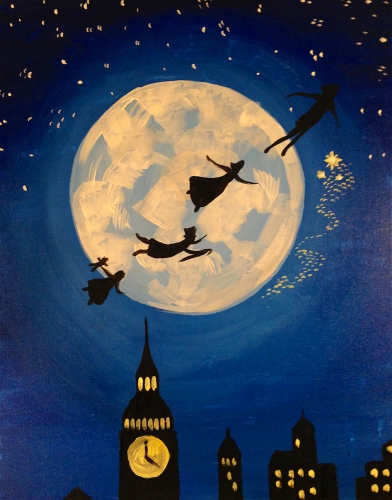
 Inspired largely by the stories he told to the Llewelyn Davies family, Barrie began to formulate a story of a boy who wouldn’t grow up, who flew around and had adventures. Not unlike Charles Dodgson’s Alice a century before, Barrie began to write his story into a play and once debuted in 1904, the play Peter Pan; or the Boy Who Wouldn’t Grow Up was an immediate success. George Bernard Shaw said of the performance, “ostensibly a holiday entertainment for children, but really a play for grown-up people” – a wonderful description of the meanings and metaphors found in Peter Pan. Though children may see the adventure story on the outside, the adults in the audience could see what was really at play (pun intended) – Barrie’s social commentary on the adult’s fear of time and growing old and losing their childish innocence and fun, to name just a few.
 * watch for our New Acquisitions list… lots of interesting material will be coming your way!
 No.
No. Wednesday night.
 Before I leave Pasadena, I should mention poker.