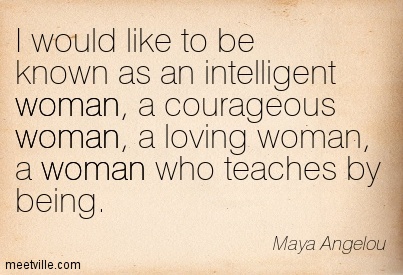
We recently saw an interesting article online, detailing the “Best Female Authors” of all time. On this, what would be Dr. Maya Angelou’s 90th birthday, we would like to channel her inner strength and power as a leading poet, singer, memoirist, and civil rights activist and honor some of the most famous female authors of all time.
Top Twenty-Five Female Authors of All Time in One Sentence or Less
Followed by the First Sentence or So Found about these Powerful Ladies on the Internet (A Rather Fascinating Social Experiment, No?)
(Obviously Debatable, but these names are based on Book Sales and those found to be Classics Today)
Jane Austen: “an English novelist known primarily for her six major novels, which interpret, critique and comment upon the British landed gentry at the end of the 18th century.”
Virginia Woolf: “an English writer, who is considered one of the foremost modernist authors of the 20th century and a pioneer in the use of stream of consciousness as a narrative device.”
Charlotte Bronte: “is one of the most famous Victorian women writers, only two of her poems are widely read today, and these are not her best or most interesting poems.”
Agatha Christie: “Lady Mallowan, DBE was an English writer. She is known for her 66 detective novels and 14 short story collections, particularly those revolving around her fictional detectives Hercule Poirot and Miss Marple.”
Mary Shelley: “an English novelist, short story writer, dramatist, essayist, biographer, and travel writer, best known for her Gothic novel Frankenstein: or, The Modern Prometheus (1818).”

Louisa May Alcott: “was born in Germantown, Pennsylvania on November 29, 1832. She and her sisters Anna, Elizabeth, and [Abba] May were educated by their father, teacher/philosopher A. Bronson Alcott, and raised on the practical Christianity of their mother, Abigail May.”
J.K. Rowling: “is the creator of the Harry Potter fantasy series, one of the most popular book and film franchises in history.”
George Eliot (Mary Anne Evans): “was an English novelist, poet, journalist, translator and one of the leading writers of the Victorian era.”
Emily Dickinson: “is one of America’s greatest and most original poets of all time.”
Sylvia Plath: “was one of the most dynamic and admired poets of the 20th century.”
Toni Morrison: “American writer noted for her examination of black experience (particularly black female experience) within the black community.”
Margaret Atwood: “is a Canadian poet, novelist, literary critic, essayist, inventor, and environmental activist.”
Elizabeth Gaskell: “often referred to as Mrs Gaskell, was an English novelist, biographer, and short story writer.”
Willa Cather: “established a reputation for giving breath to the landscape of her fiction.”
Dorothy Parker: “was an American poet, writer, critic, and satirist, best known for her wit, wisecracks and eye for 20th-century urban foibles.”
Gertrude Stein: “was an American author and poet best known for her modernist writings, extensive art collecting and literary salon in 1920s Paris.”
Ursula Le Guin: an “immensely popular author who brought literary depth and a tough-minded feminist sensibility to science fiction and fantasy with books like ‘The Left Hand of Darkness'”
Isabel Allende: “s a Chilean-American writer. Allende, whose works sometimes contain aspects of the genre of “magical realism,” is famous for novels such as The House of the Spirits (La casa de los espíritus, 1982) and City of the Beasts (
Edna St. Vincent Millay: “received the Pulitzer Prize for Poetry in 1923, the third woman to win the award for poetry, and was also known for her feminist activism.”
Mary Wollstonecraft: “an English writer and passionate advocate of educational and social equality for women.”
Alice Walker: “is a Pulitzer Prize-winning, African-American novelist and poet most famous for authoring ‘The Color Purple.'”
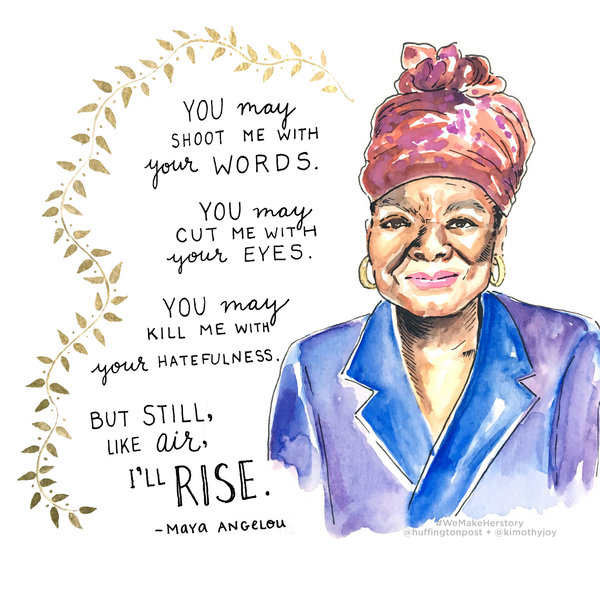
Maya Angelou: “an impactful civil rights leader who collaborated with Martin Luther King Jr. and Malcolm X during the Civil Rights movement. “
Judy Blume: “spent her childhood in Elizabeth, NJ, making up stories inside her head. She has spent her adult years in many places, doing the same thing, only now she writes her stories down on paper.”
Betty Friedan: “a leading figure in the women’s movement in the United States, her 1963 book The Feminine Mystique is often credited with sparking the second wave of American feminism in the 20th century.”
Thank you to these powerful, courageous and wonderful writers for their influence on female empowerment!


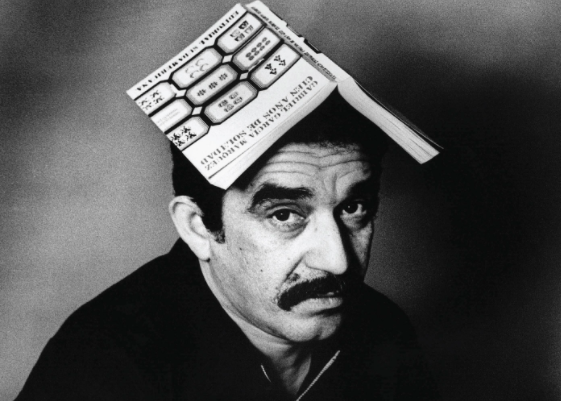 However, Márquez’s passion lay in writing, despite continuing his law studies in order to please his father. That did not stop him from publishing his work, however. Having published poems throughout high school in his school journals and papers, La tercera resignación was his first published work as an adult, which appeared in the 13th of September, 1947 edition of the newspaper El Espectador. Coincidentally and luckily for Márquez,the assassination of Gaitán, in 1948 led his school to be closed indefinitely. Márquez began working as a reporter at El Universal and eventually moved on to write for El Heraldo.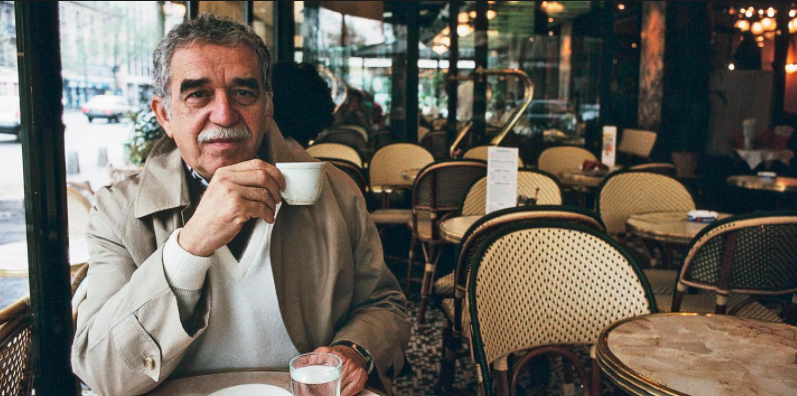


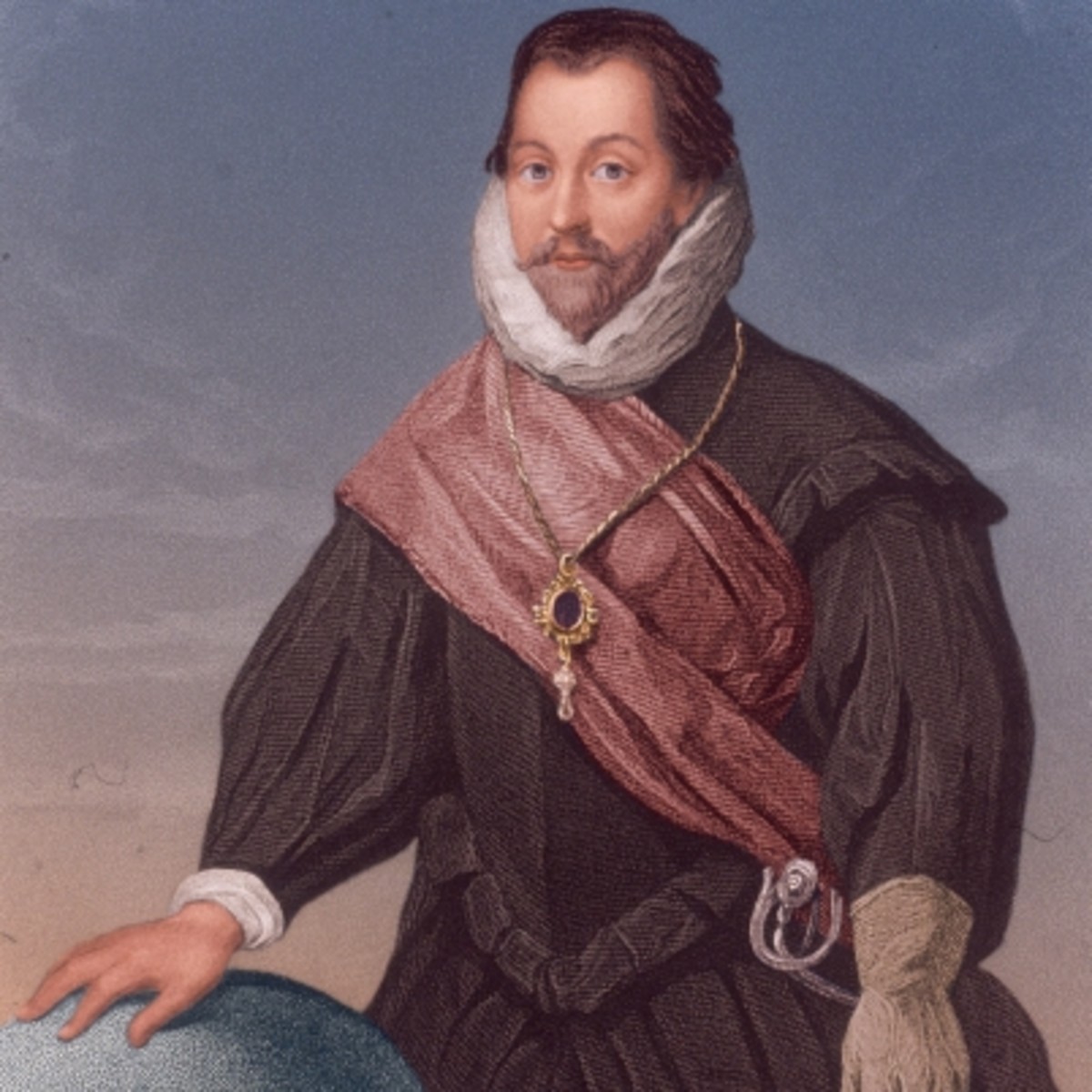 After a few adventures with his cousin, Drake spent much of the early 1570s living along the “Spanish Main” or the Panama Isthmus, attacking Spanish vessels and small settlements. During this time, fun fact, Drake climbed a tree on the Isthmus of Panama and looked out over the Pacific – being the first Englishman to ever behold the Pacific Ocean. Drake and his men eventually made it back to Plymouth, England, having captured much in Peruvian gold but having been forced to bury it along the way to avoid its recapture by the Spanish.
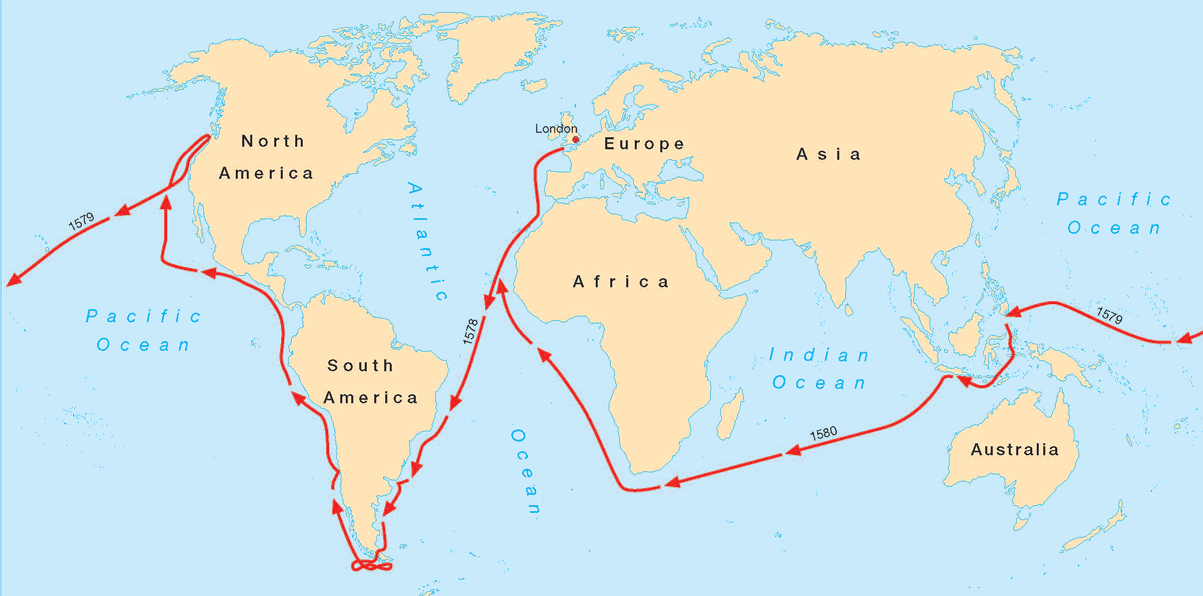 In 1577, Elizabeth I sent Drake (because of his “success” with the Isthmus raids) on an expedition to sail along the Pacific coast of the Americas. After one false start due to bad weather, the crew set final sail on the 13th of December, 1577. Drake set out with five ships (which soon became 6) and 164 men. The crew made it around Cape Horn, and went alongside the coast of South America pillaging and looting Spanish towns and ships along the way. Drake restocked and rested his ships on the Coast of California for a time, and then continued on to the Molucca islands in what is now known as Indonesia. Eventually Drake rounded the Cape of Good Hope – the southernmost tip in Africa, and made his way back to Plymouth, having circumnavigated the globe and made it around two of the most treacherous sailing spots in the world (both Capes) in just under three years.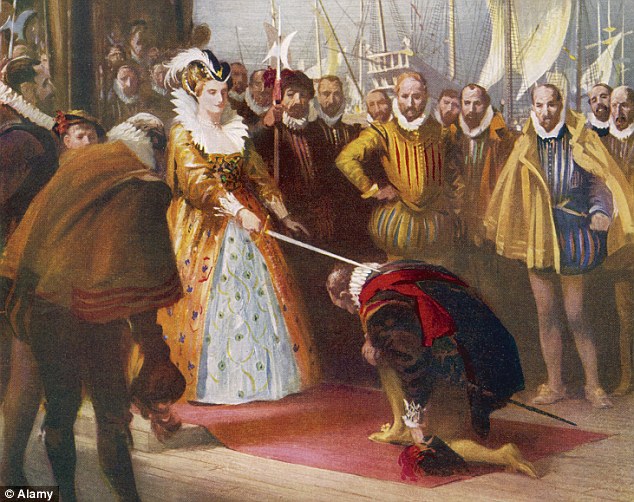
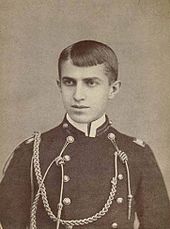 Crane was born on November 1st, 1871 in Newark, New Jersey, the 14th child (of only 8 surviving children) to a clergyman and daughter of a clergyman. Crane began writing at an early age, and when he was eight years old he wrote his first surviving poem – “I’d Rather Have A-” – a poem about wanting a dog for Christmas! One year later he began formal schooling and completed two grades within a six week period. Throughout Crane’s education he was a slightly erratic student, if intelligent and somewhat popular. This could be put down to the fact that by the time Crane was a teen, quite a few members of his family (his father and siblings) were dead – leading to a very different childhood than his classmates.
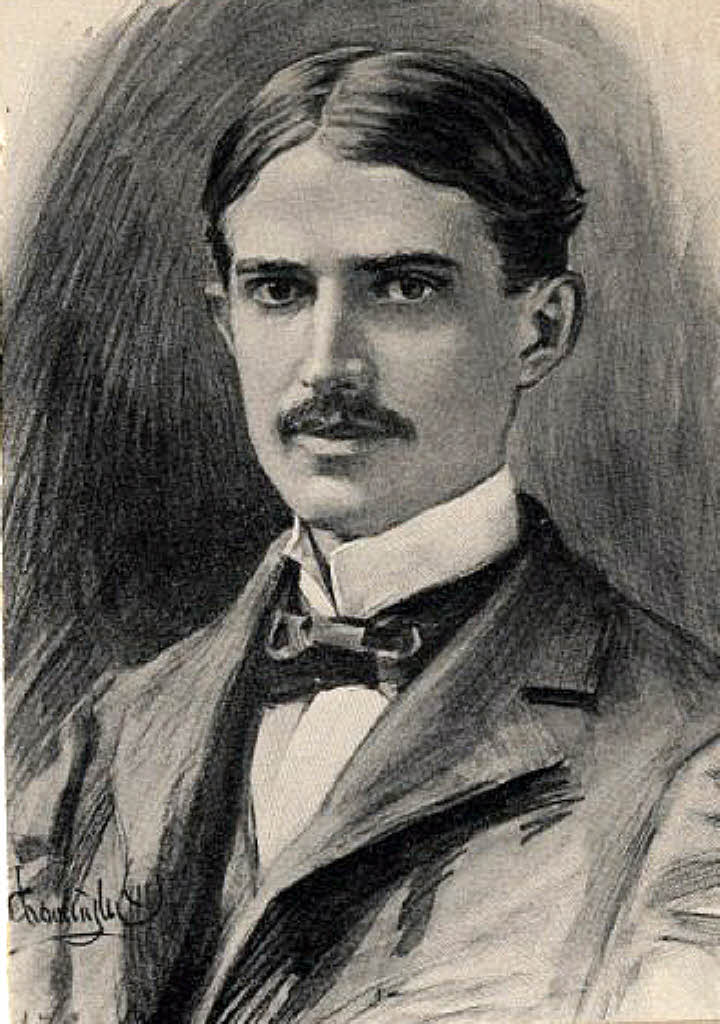 In 1893 Crane became frustrated with stories written about the Civil War, stating “I wonder that some of those fellows don’t tell how they felt in those scraps. They spout enough of what they did, but they’re as emotionless as rocks.” Crane decided to write an account of a soldier in the war, and began work on what would become The Red Badge of Courage, Crane’s most beloved work to date. His story would be different from his contemporaries – for he wanted desperately to present a “psychological portrayal of fear” by describing a young man disillusioned by the harsh truths of war. He succeeded and a year later his novel began to be published in serial form by the Bacheller-Johnson Newspaper Syndicate. It was heavily edited for publication in the serial, though it did begin to cause a stir in its readers. Crane then worked on a book of poetry, which was published to large amounts of criticism due to his use of free verse, not then a common convention. Crane was not bothered by its unpopular reception – he was instead quite pleased that the book made “some stir” and caused a reaction of any sort. In 1895 Appleton published The Red Badge of Courage, the full chapters, in book form – and Crane became a household name overnight. The book was in the “top six on various bestseller lists around the country” for months after its publication. It even became popular abroad and was widely read in Great Britain as well. Crane was only 23 years old at the start of his fame.
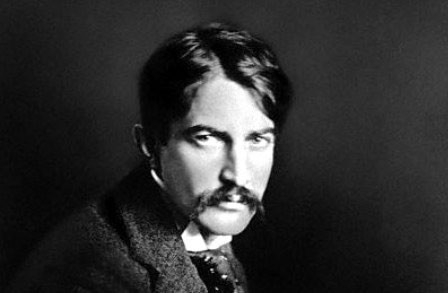 Crane became a war correspondent alongside Taylor in the Greek-Turkish War of 1897, and then the Spanish-American War in 1898.
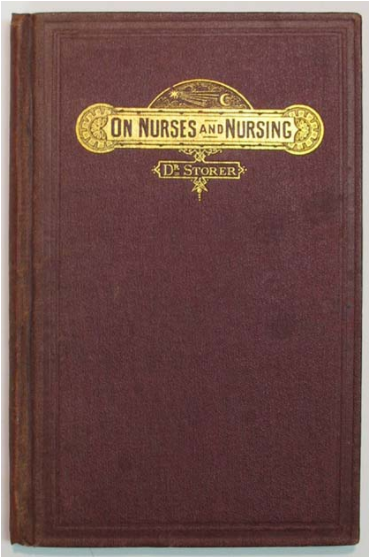
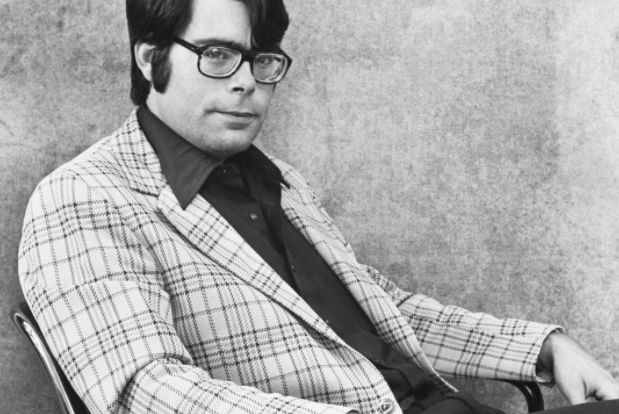
 King then had his novel The Shining published in 1977, and The Stand in 1978. In the late 1970s King began a series, eventually known as The Dark Tower, a series which would span the next four decades of King’s life finally ending in 2004. In 1980 King’s novel Firestarter was published, and in 1983 his novel Christine was published – both by the large and well-known publisher Viking. He tried his hand at working on comic books, writing a bit for the X-men series Heroes for Hope in 1985. King published under several pseudonyms for various reasons (now keep a lookout for these names, you hear?) including Richard Bachman (after Bachman-Turner Overdrive), John Swithen (a character out of Carrie) and Beryl Evans (which King used to publish the book Charlie the Choo-Choo: From the World of the Dark Tower). Though he has written many, many works over the years (54 novels, 6 non-fiction books and 200 short stories, to put it bluntly), some of the more popular stories whose names you might recognize (due to their being transferred to the big screen or otherwise) are Children of the Corn (1977), Rita Hayworth and Shawshank Redepmtion (1982), Misery (1987), The Man in the Black Suit (1994), The Green Mile (1996), Bag of Bones (1998), and his memoir On Writing (2000). And this doesn’t even scratch the surface of the volume of work King has produced over the past many decades.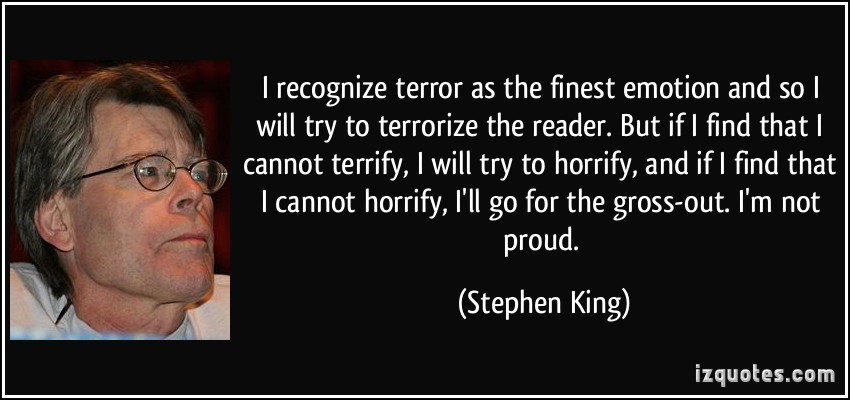

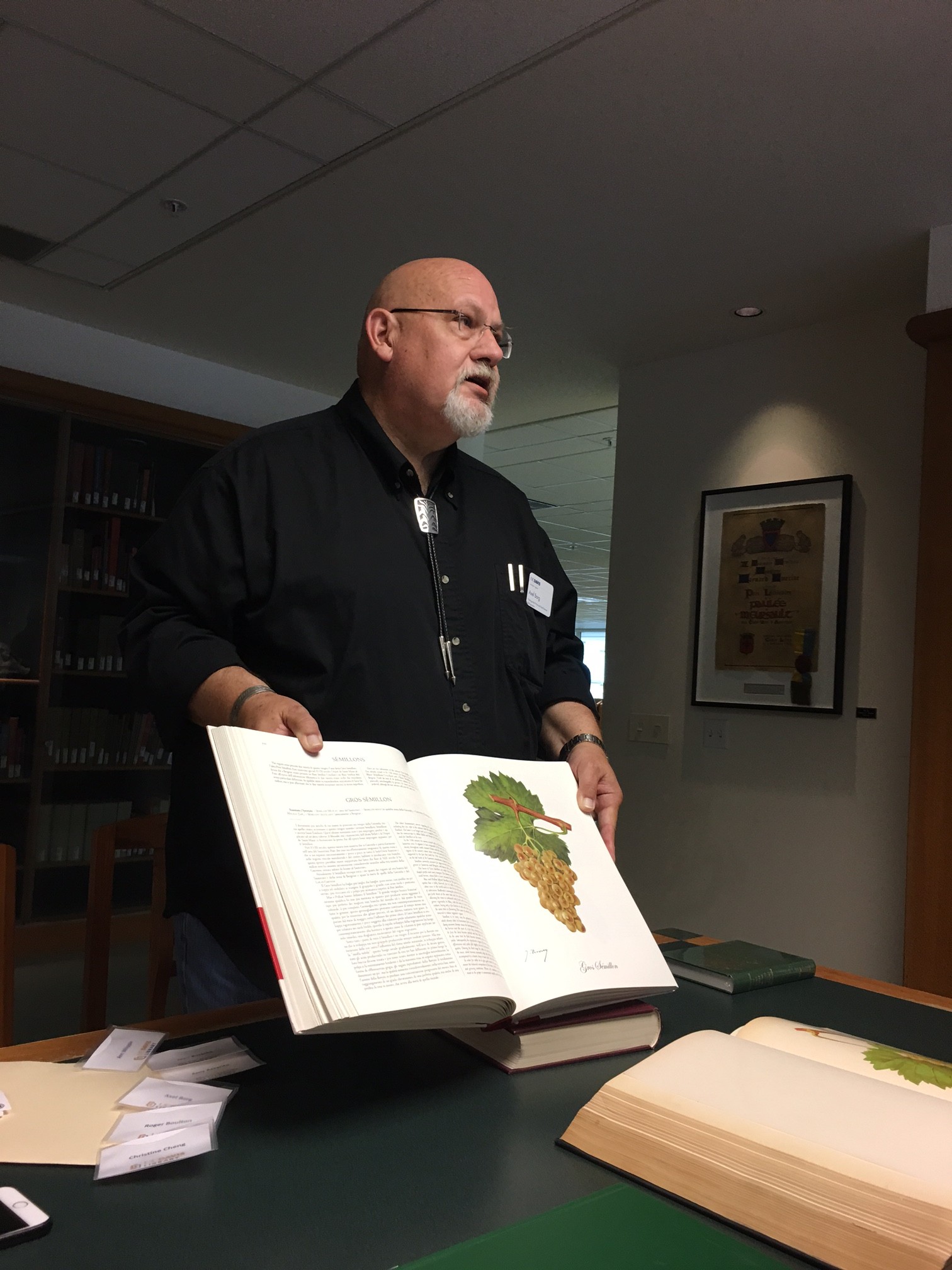 Yours truly, along with 14 other BCC members, on our
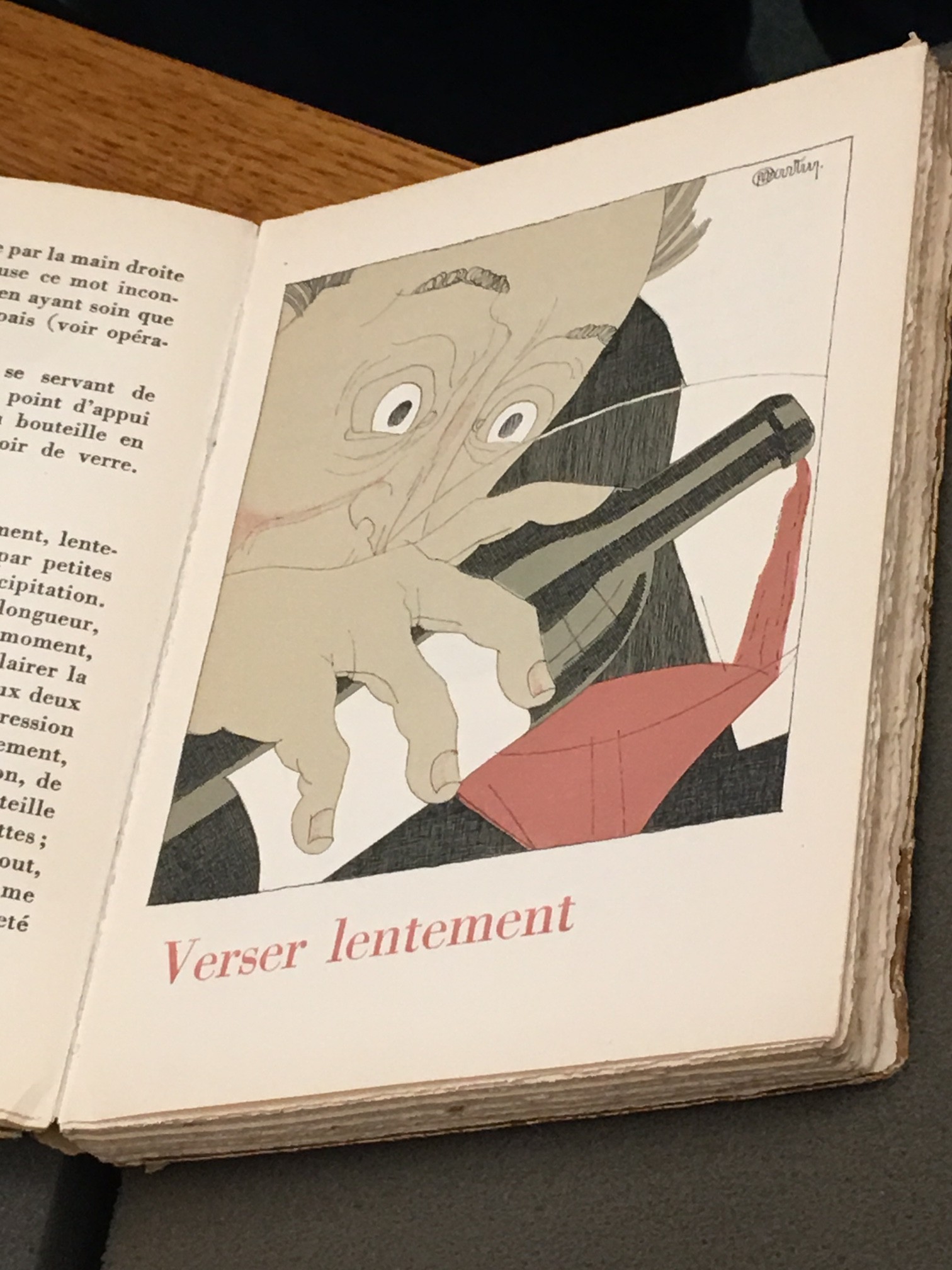
 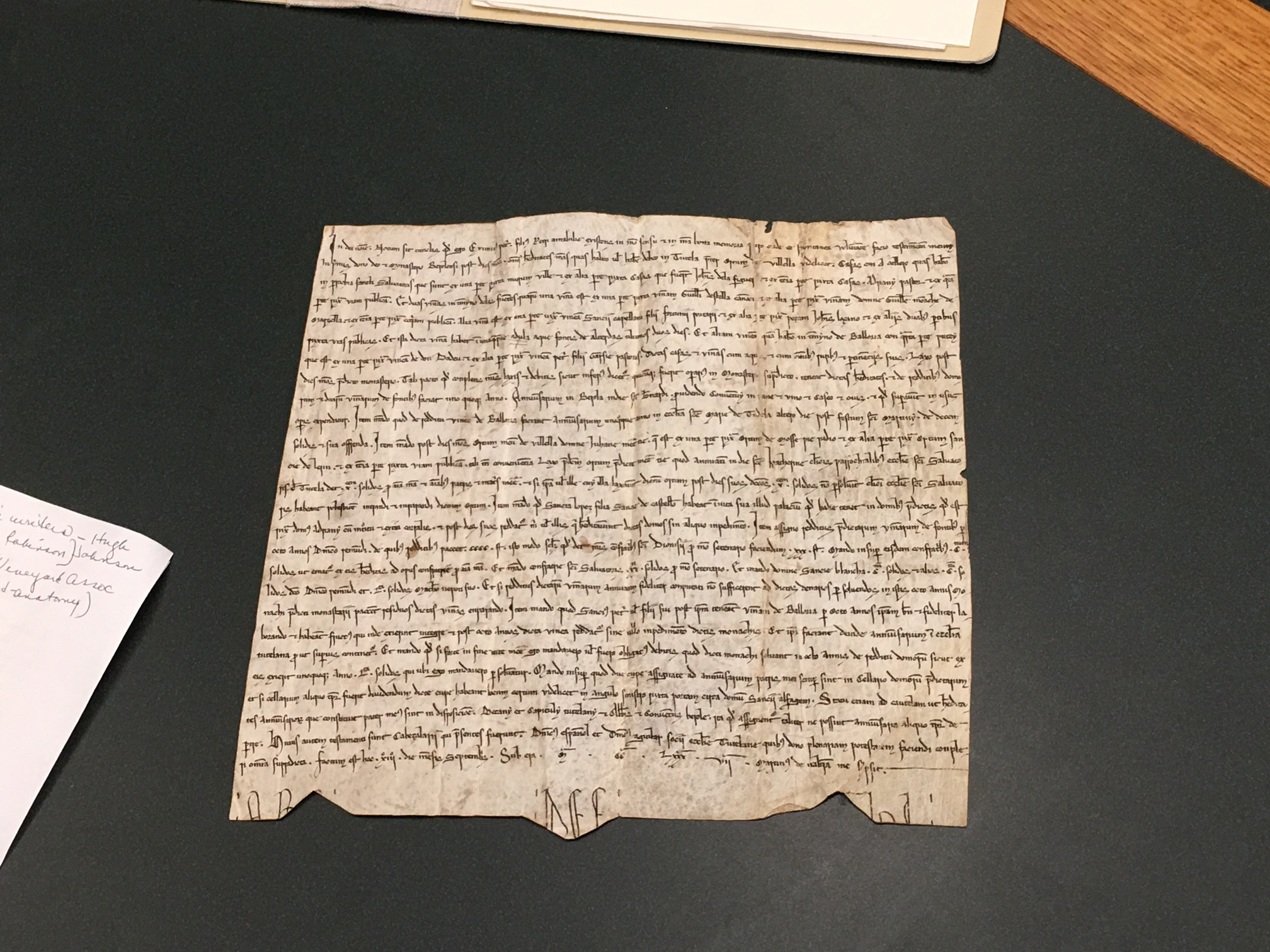 After giving us an overview of the collection, and its history, we eventually found our way to Special Collections, where Axel tantalized us with one interesting & fascinating item after another… here I wish I’d taken notes, for memory fails me as to most specifics, other than the 1287 deed for a vineyard land transfer & a cute little accordion miniature that on first blush appears to be a wine cork. That said, my fellow attendee, Anne Smith, did, however, take notes, so see her soon-to-be-published BCC piece for more specifics on the books Axel had at show-n-tell.
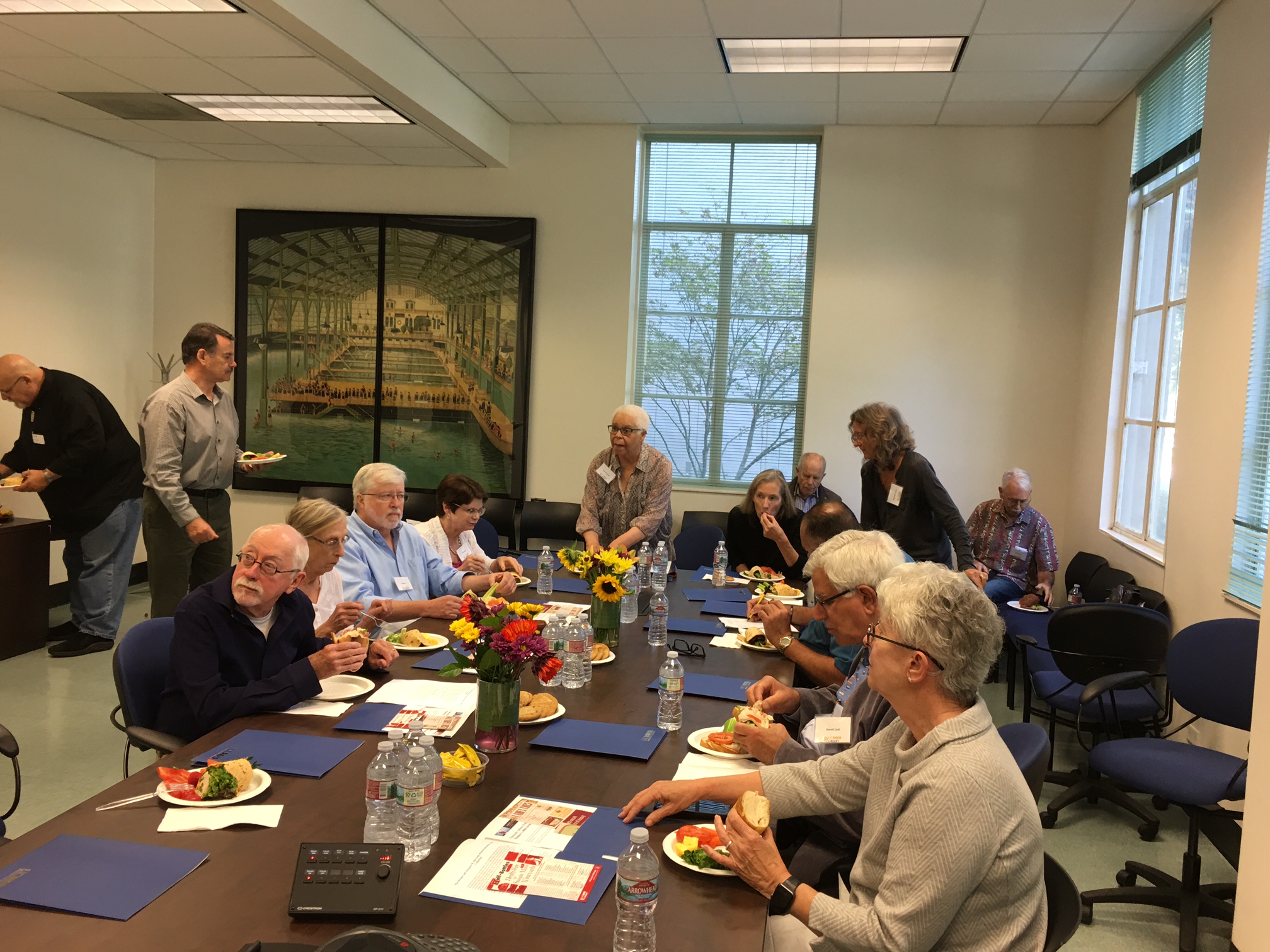 Next on the agenda was a buffet lunch, which, given we were a willing captive audience, included a presentation on projects UC Davis has in the works… one is a interactive social map showing wine-related connections. Intriguing, to say the least. Another is the digitization & searchable compilation of wine price lists, et al. For food & drink historians, invaluable.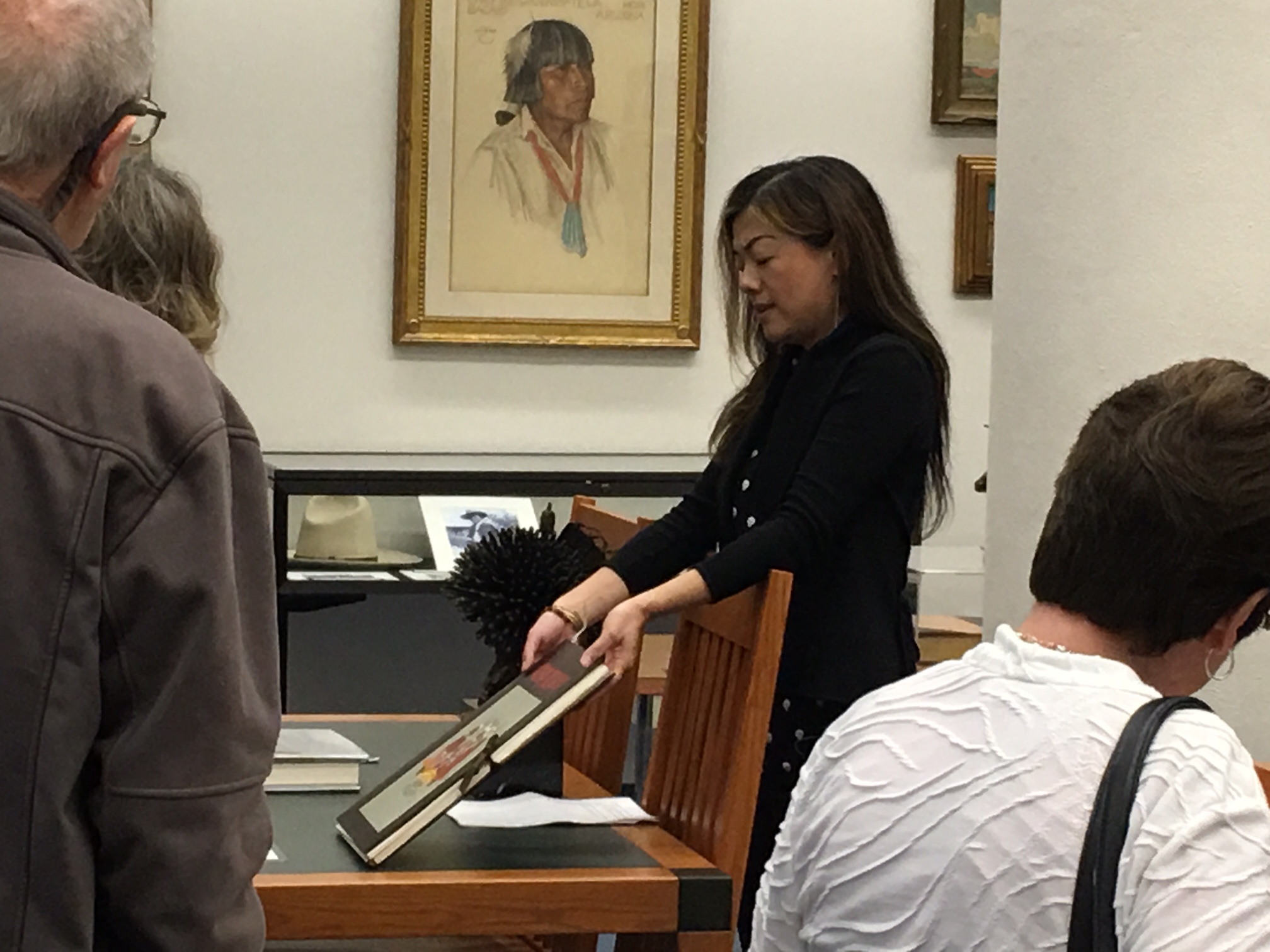
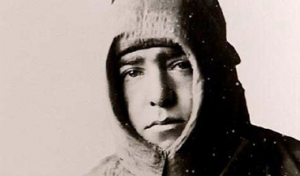
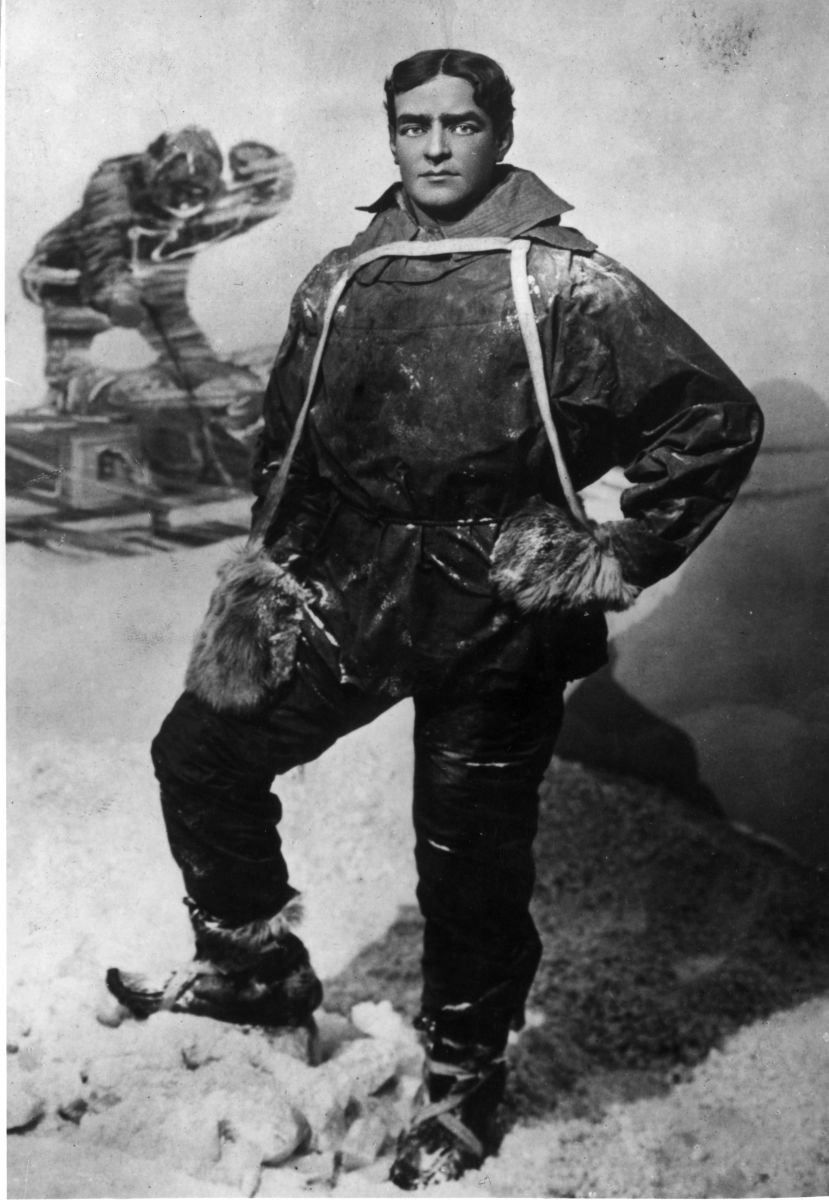 Ernest was born in February 1874 in County Kildare, Ireland – the first of two boys out of ten children in an Anglo-Irish family… and the son of a dreamer. When Ernest was six his father gave up his career as a landowner and decided to pursue his dream of becoming a doctor. He moved the family to Dublin in order to begin his studies at Trinity College. Once acquiring his degree, Henry Shackleton then moved his family to London when Ernest was 10. Shackleton was an avid reader, but a maddening student. He did not take to lessons so well, despite being able to finish at the top of his class several years, and was finally allowed to leave school at 16 to pursue the adventures he had dreamed of for years while reading travel books and thrilling adventure accounts. His father got him an apprenticeship on a sailing vessel, and the young Shackleton spent the next 8 years studying for different mariner tests, Second Mate, then First Mate, and ultimately Master Mariner (captain).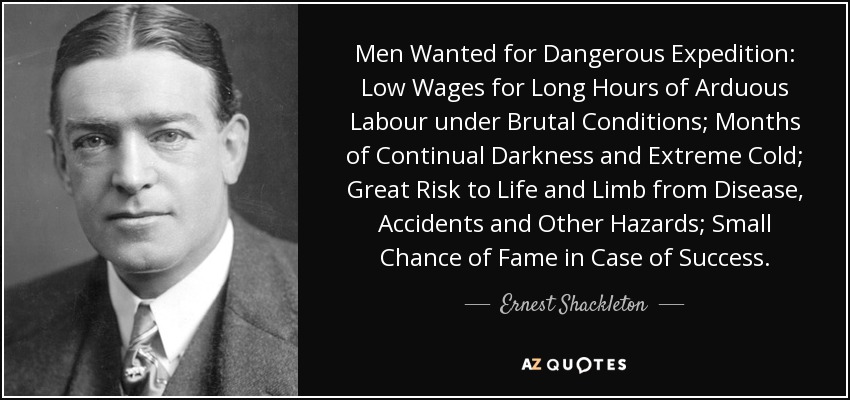
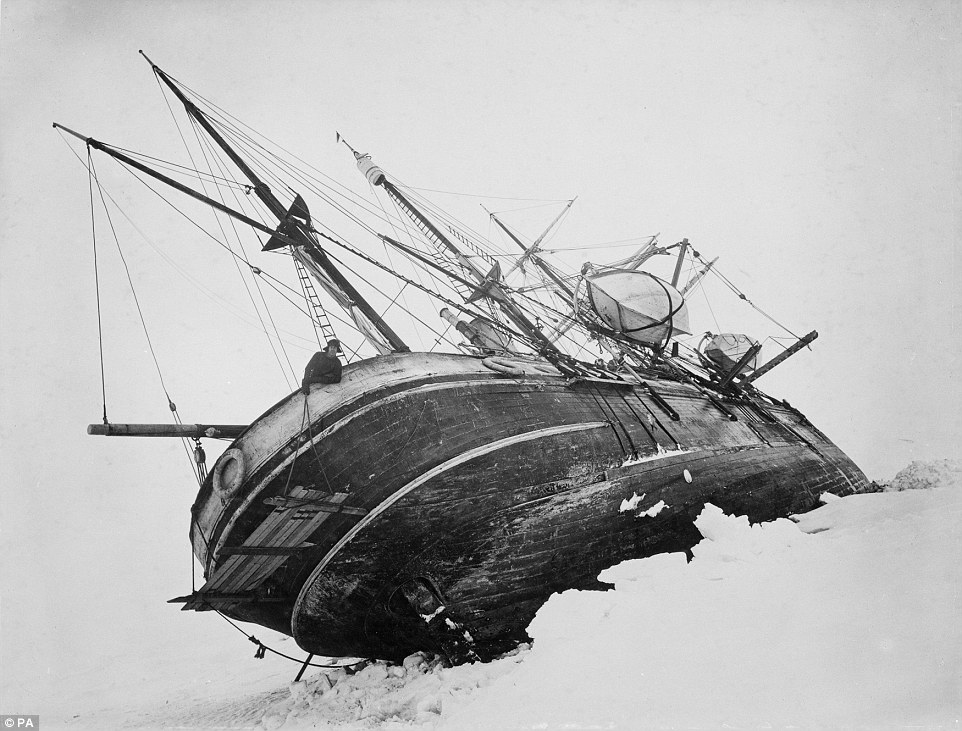 The Endurance began it’s slow and hard journey through the Weddell Sea in early December, by mid-January becoming frozen in first year ice. Shackleton realized at the end of February that the boat would be stuck until the following spring (that October or thereabouts, as the seasons are backwards), as there was no hope for the ice to thaw in such conditions. Shackleton ordered the men to abandon the ship and begin setup of a camp on the packed ice, thankfully, as despite Shackleton’s hope that the boat would break free of the ice come spring and be able to continue sailing, the pressure put on the boat the following September from the breaking of the ice ended up sinking (albeit slowly) the then abandoned ship. For about two months Shackleton and his crew camped on flat ice floes, changing from floe to floe hoping one might drift them down to the inhabited Paulet Island. Unfortunately they were unable to reach it and using their lifeboats they were eventually able to make it to Elephant Island – that being the first time they had stood on dry land in over a year. Shackleton kept a watchful eye on all of his men, as usual, and in giving his mittens to his photographer Frank Hurley suffered from frostbite himself.
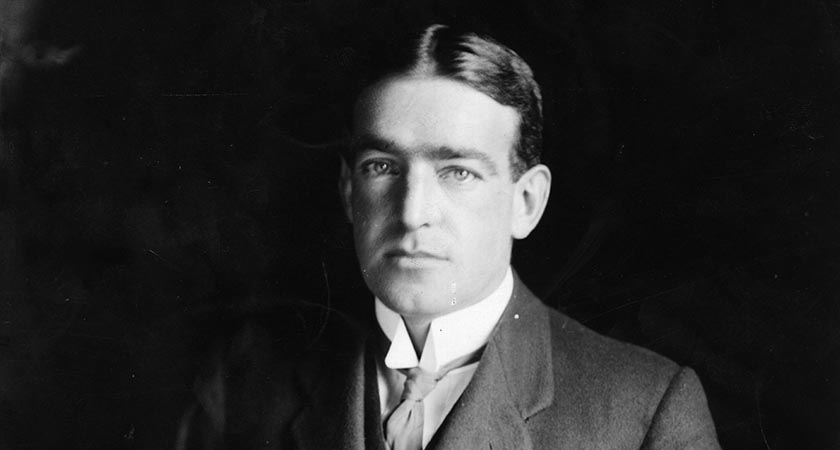 Shackleton then took five men and used a lifeboat to travel over 800 miles to a whaling station in South Georgia to get help. He would only pack four weeks of supplies into the lifeboat, knowing that if they could not reach their destination within a months time that they might as well consider themselves lost – he did not want to take supplies away from the men remaining on Elephant Island. Within 15 days they saw South Georgia, but inhospitable weather did not allow them to land immediately. When they were able to reach shore they had to pull up on the south side of the island, unfortunately knowing the whaling station was on the north side. Rather than get back in the lifeboat, three of the crew decided to attempt the journey across the mountainous land on foot – a distance of 32 miles (these guys couldn’t seem to catch a break, am I right?). They fastened screws into their boots to act as climbing shoes and had 50 feet of rope between the three of them. Not an easy journey… but they finally made it to the whaling station and got the help they needed. With the help of a Chilean vessel, Shackleton reached the rest of his 22 men on Elephant Island on the 30th of August, 1916 – 101 years ago today. After over a year and a half ordeal living on ice, every single man aboard the Endurance and under Shackleton’s command made it back alive. If Shackleton hadn’t already been considered a hero – he certainly was then!