In the grand scheme of things, what is 100 years? In terms of your lifespan, it may seem like a lot. In terms of history, on the other hand? Well, in terms of history it is a mere slip in time. Now what would you say if you were to realize that American women have only had certain rights – specifically the right to vote – for this amount of time? 100 years ago today, Congress passed the Nineteenth Amendment… stating that American citizens could not be denied the right to vote based on their sex – effectively giving women the chance to make their voices heard. It was not an easy battle! In fact, in the US, support for the suffrage movement began as early as the 1840s! It would take over 80 years for their demands to be instituted. Let’s take a look back at this time in history and see how lives were changed for the better, 100 years ago today.
Some tend to trace the modern suffrage movement (knowing and understanding that women should have always had equal rights as men) back to a specific publication that we all know – Mary Wollstonecraft’s 1792 UK publication of A Vindication of the Rights of Women. Wollstonecraft was known for being revolutionary in her ideas, and a stalwart for women’s intelligence and respect. It is said by some that her work helped inspire Sarah Grimké’s 1838 The Equality of the Sexes and the Condition of Women – the work which made abolitionist Grimké to be considered the “mother of the women’s suffrage movement”. Her work, widely circulated from Boston throughout the early United States, helped inspire many hundreds (if not thousands) to begin the quest for women’s rights. The main hurdle that women had to jump before these rights could be established, however, was the idea of the pure, innocent woman – one who did not belong in the public sphere. Long considered roles for men only, women becoming part of the public and even political spheres was shocking and highly looked down upon in the early 1800s. In the 1830s and 40s, the abolition of slavery and women’s rights seemed to partner well together, as most women speaking publicly were speaking out condemning slavery… and the act of doing so was automatically a boon for the rights of women. The radical wing (both men and women) of the abolitionist movement were well-known for their support of women’s rights. Unfortunately, towards the beginning, that radical wing consisted of very little of the general population.
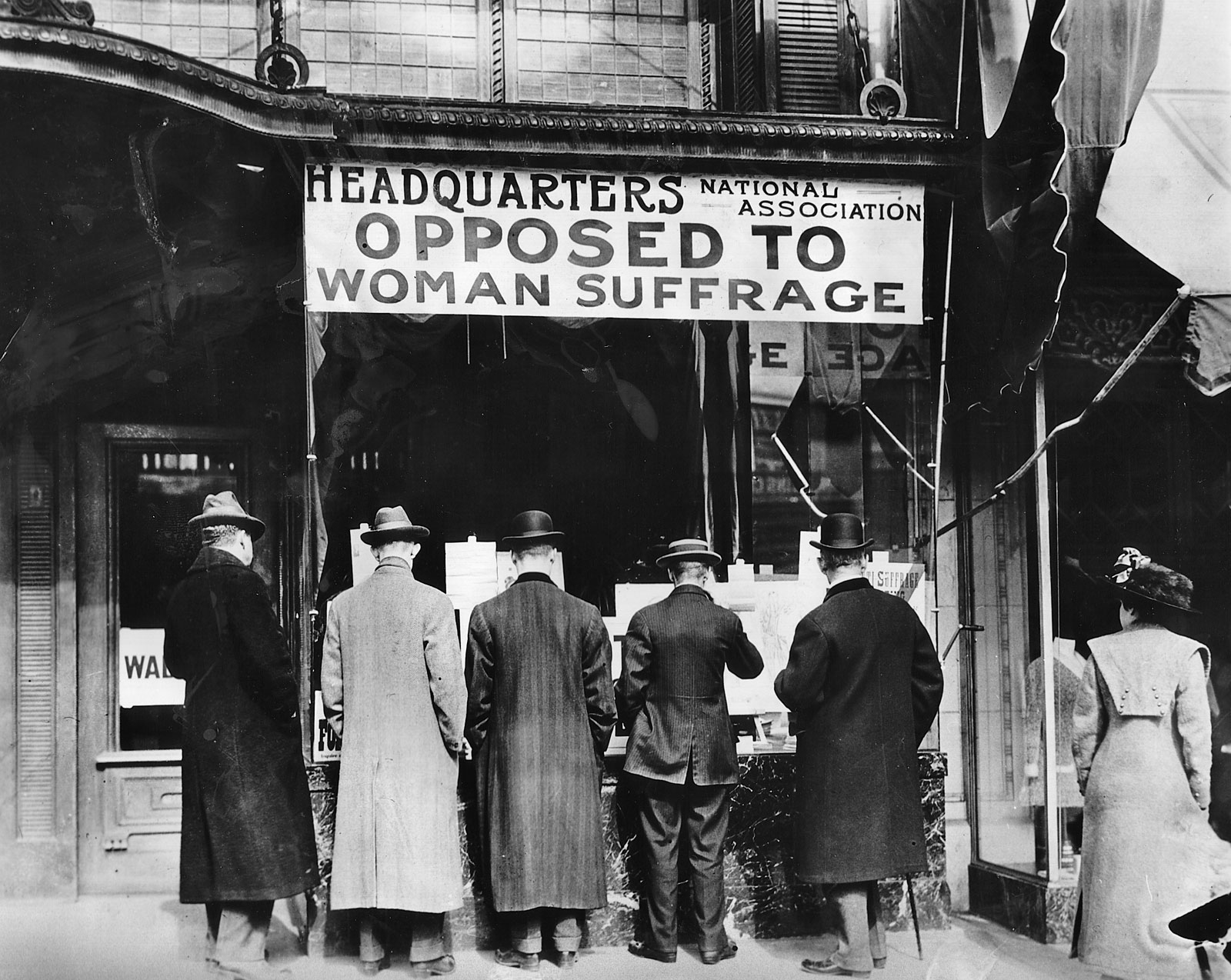 The opposition of female public speaking wasn’t simply a hurdle. Much of the opposition was so strong that it led to violence. Many female conventions and rallies were disrupted with extreme forcefulness and cruelty, inciting suffrage leader Susan B. Anthony to state this: “No advanced step taken by women has been so bitterly contested as that of speaking in public. For nothing which they have attempted, not even to secure the suffrage, have they been so abused, condemned and antagonized.” Her statement cemented the fact that it was not so much the idea of women voting that bothered their contemporaries, but rather it was women breaking out of the cages they had for so long been held and standing up for themselves publicly that was the problem.
The Seneca Falls Convention in New York in 1848 marked a specific shift in women’s suffrage. Abolitionist activists, both men and women, gathered to discuss women’s civil rights. Almost all of the delegates agreed… women were autonomous beings, independent of their husbands, and ought to share the same rights as their brothers and husbands. Adopting the Declaration of Independence to their beliefs, the Seneca Falls Declaration of Sentiments proclaimed: “We hold these truths to be self-evident, that all men and women are created equal, that they are endowed by their creator with certain inalienable rights, that among these are life, liberty, and the pursuit of happiness.” Amen to that!
Though the women’s movement lost a bit of momentum and support during the Civil War (rightly so), almost as soon as it ended the issues of suffrage and equality reared up again, what with the 14th and 15th Amendment changes for the rights of men of color. Over the next few years, several associations formed to highlight women’s rights, suffrage being only a part of the demands of their followers. Shockingly, equal pay for equal jobs was a large demand of the women in this period. Throughout the Civil War, women picked up the slack needed as men were away fighting. They performed men’s tasks and men’s jobs (all while keeping house and raising children), and some kept this work up even after the war. Their significantly lower pay for the same work highlighted an extreme disparity with how men and women were treated at the time. Associations like the Women’s Loyal National League, the American Equal Rights Association (AERA), and the New England Woman Suffrage Association (NEWSA) all held strong beliefs and fought for similar rights (though even they were sometimes on opposing sides of the same team).
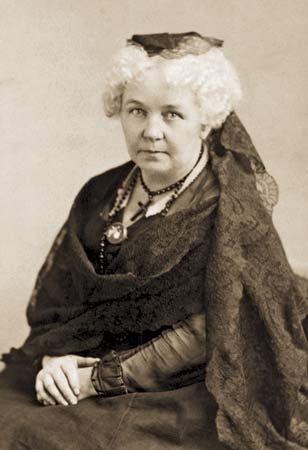 In 1869, Elizabeth Cady Stanton and Susan B. Anthony (two of the main “heavy hitters” in the suffrage movement) joined forces to create the National Woman Suffrage Association, and began the fight for a “universal suffrage amendment to the U.S. Constitution” (History.com). It was Stanton’s belief early on that the only way to change the way women were treated was through government political reform. While some believed that though women deserved rights, support, protection (from domestic abuse) and equal pay – they did not necessarily require the right to vote, Stanton believed the right to vote was integral to all the other matters listed. And she was not wrong. The same year, Lucy Stone, Julia Ward Howe and Henry Blackwell formed the American Woman Suffrage Association (AWSA). These two leagues were enmeshed in a bitter feud that would last decades, their participants disagreeing on the Fifteenth Amendment – allowing African American men the right to vote. Some, like Stanton and Anthony, rejected the Amendment, believing that woman’s suffrage was more important, and mistakenly believing that African American men opposed women’s suffrage and would fight against their cause. Stone and other members of AERA, on the other hand, supported their previously oppressed fellow citizens and supported their victories, in hopes they would help support the women’s movement in return. This is not to say that racial bias did not exist in both organizations, as it most definitely did, despite both groups being strongly associated with the abolitionist movement. Their rivalry would last until 1890.
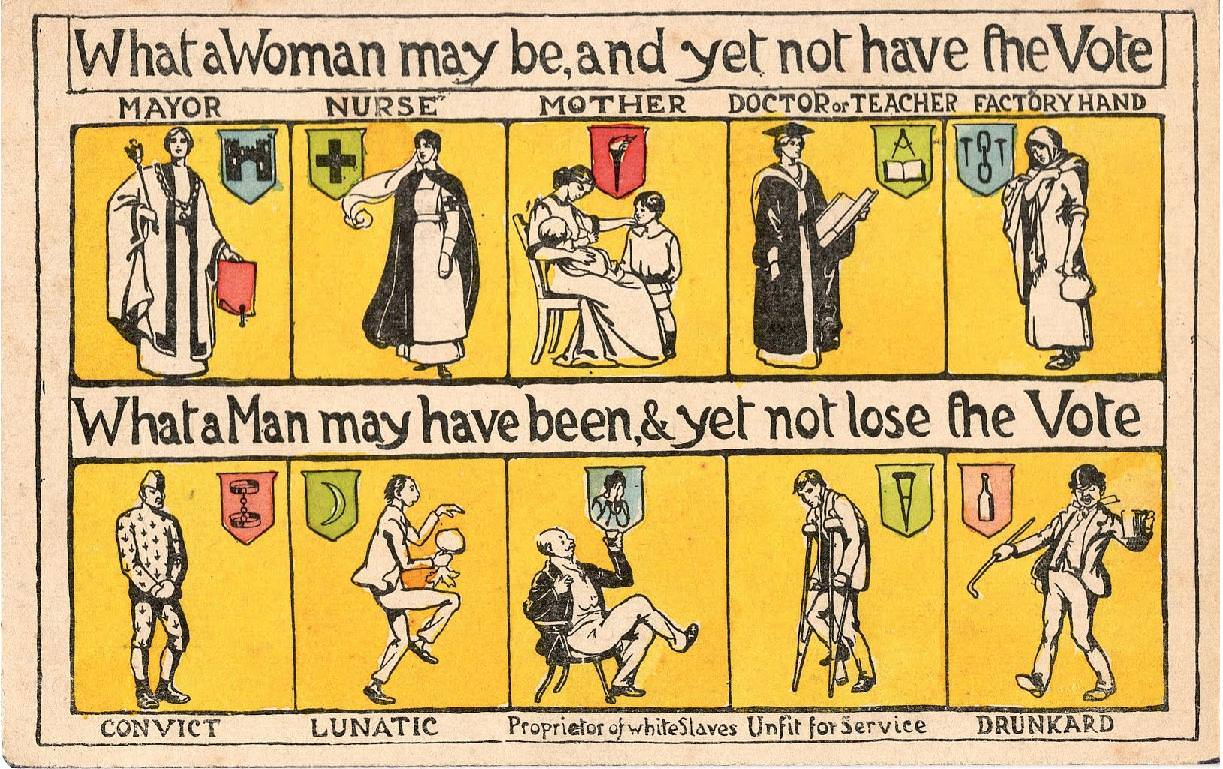
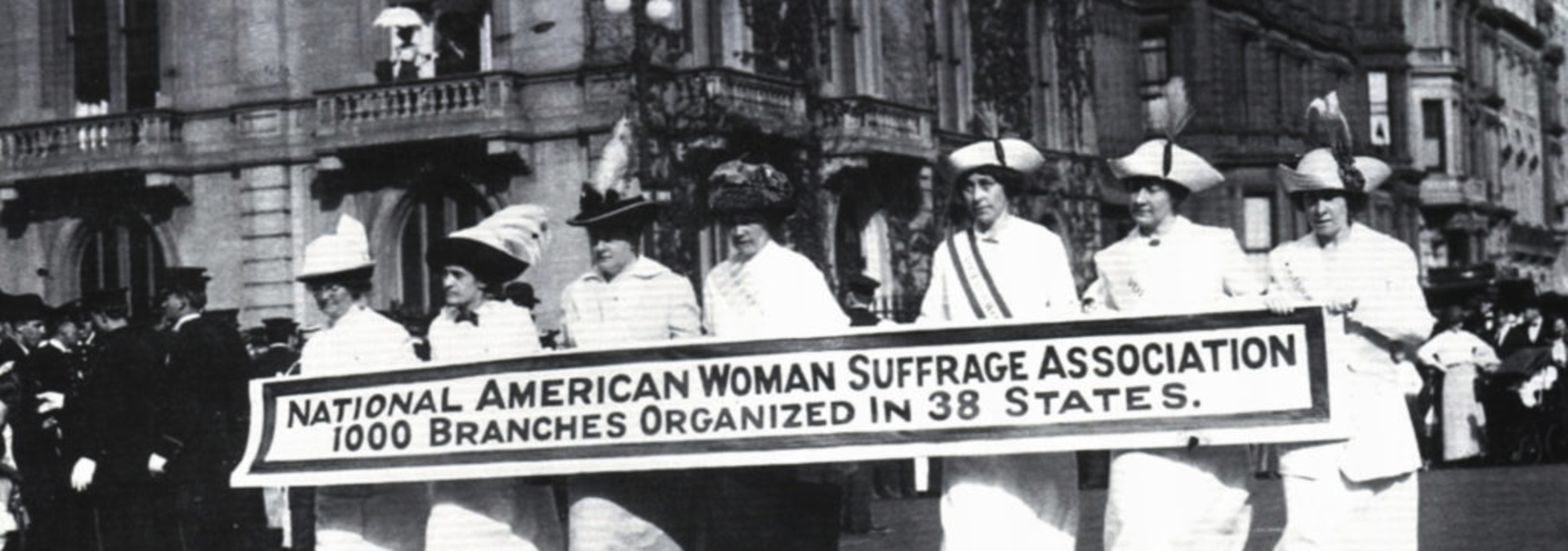
After tireless years of working to promote ideas of women’s suffrage, the two associations put aside their differences (which by then were somewhat moot points, anyway) to join forces and create the National American Woman Suffrage Association (NAWSA). Elizabeth Cady Stanton was the massive organization’s first president. “By then, the suffragists’ approach had changed. Instead of arguing that women deserved the same rights and responsibilities as men because women and men were ‘created equal,’ the new generation of activists argued that women deserved the vote because they were different from men. They could make their domesticity into a political virtue, using the franchise to create a purer, more moral ‘maternal commonwealth.'” (History.com) This argument gained them new followers from multiple arenas. Advocates of the temperance movement wanted women to have the vote because they believed it would create a cleaner, purer, more chaste country. The middle class enjoyed the idea of introducing homeliness and kindliness into larger, wealthy political parties.
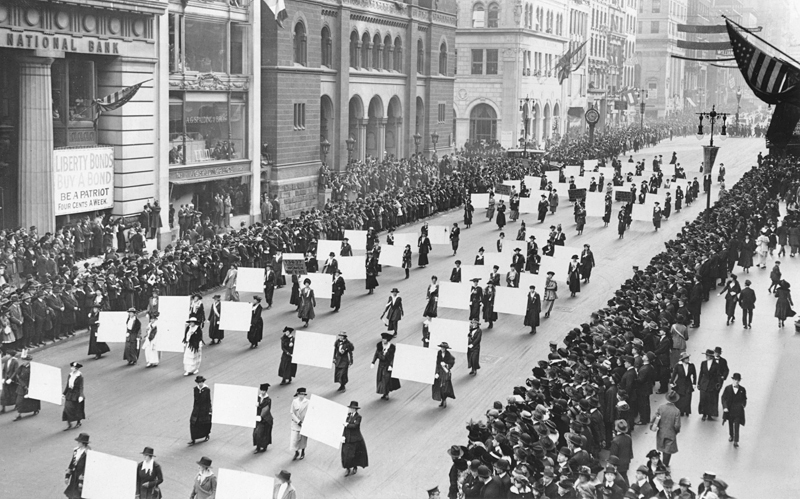 In 1910, some of the Western states slowly began extending the vote to their female citizens. State by state, women were gaining rights (though there was still a significant ways to go). States in the South and the Northeast resisted. WWI once again slowed the momentum of the party, but women’s work in the war effort helped to engender support for their intelligence and abilities in the long run. Their aid proved their patriotism and that they were as deserving of rights as men were. A parade for women’s rights in 1917 in New York City consisted of hundreds of women, carrying placards with over 1 million female signatures on them… a far cry from where they started out, with less than 1% of the population’s support.
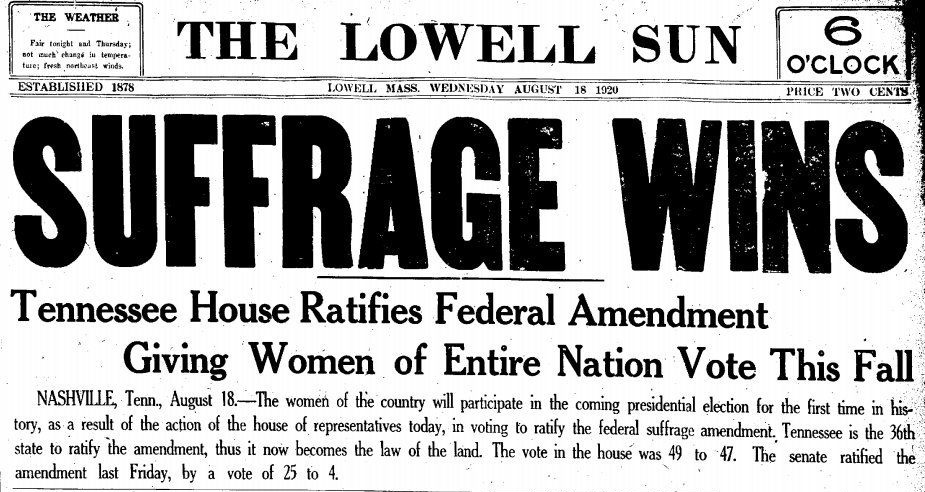
Finally, on August 18, 1920, Tennessee (the last of the 36 states needed to adopt the law) narrowly ratified the Nineteenth Amendment, making voting legal irregardless of sex throughout the United States. A few days later, on August 26th, 1920, 100 years ago today, the Nineteenth Amendment was certified, bringing to culmination an almost 100 year battle by women and men throughout the country. The passing of this amendment enfranchised 26 million American women in time for the 1920 U.S. presidential election. The Amendment states, “The right of citizens of the United States to vote shall not be denied or abridged by the United States or by any State on account of sex.”
We are a far cry away from a perfectly equal country – in terms of race, sex and economy. We still have a mighty hill (or a few) to climb in order to reach Utopia. But one thing we do know… 100 years ago, women had fought tooth and nail for the right to vote. The right to make their voices heard, and the right to assist with change on a national level. They wanted to be seen for who they were, not who they were expected to be, and they wanted more than anything to be taken seriously. In celebrating their great victory, let us not forget what they fought for. An election is upon us, and let’s do them proud. Get out there and VOTE!!!!



 ***
***
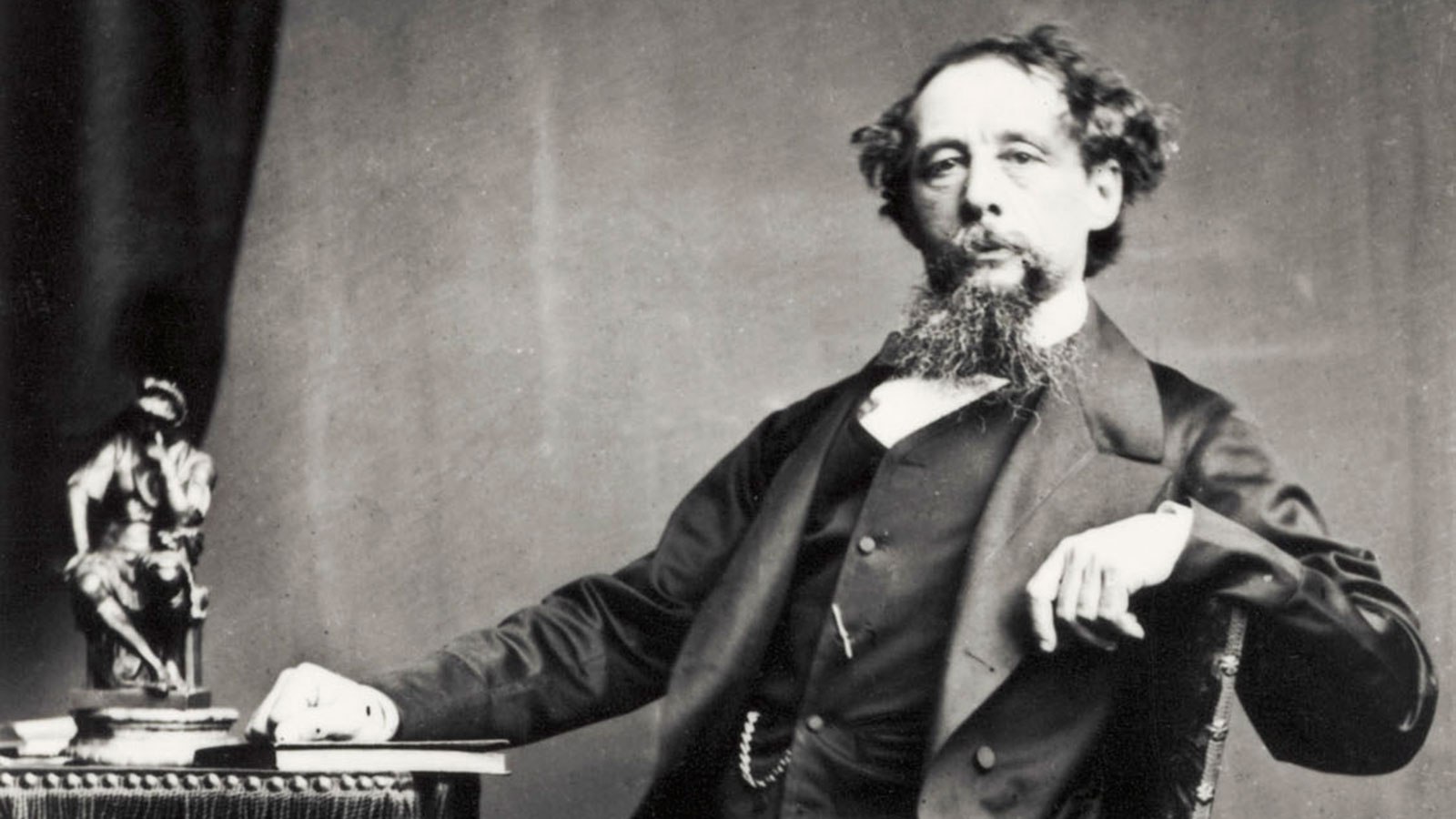
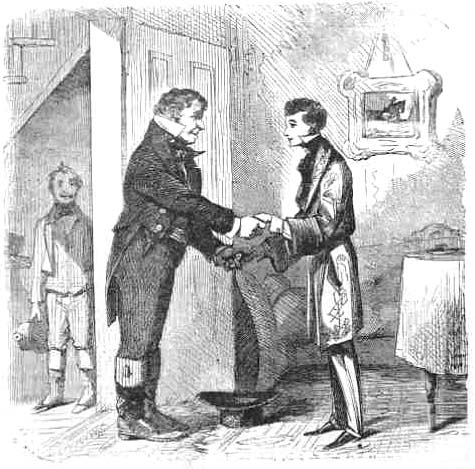 Starting with a short overview of the story (for the .000001% of you that have been living under a rock these past 160 years), we can come to look at the “expectations” housed within and see what we can decipher from the moral tale it holds. When young orphan Pip encounters an escaped criminal hiding in a churchyard one Christmas Eve, it gives him the fright of his life. The young boy is scared into thieving for the convict, and though the criminal is recaptured and clears Pip of suspicion, the incident colors Pip’s outlook on life. The young boy is sent to the house of the spinster and slightly mad Miss Havisham, to be used as entertainment for the lady and her adopted, aloof and haughty daughter Estella. Pip falls in love with Estella and visits them regularly until he is old enough to be taught a trade as an apprentice blacksmith. Four years into Pip’s apprenticeship, however, a lawyer arrives with news that Pip has anonymously been provided with enough money to become a gentleman. An astonished Pip heads to London to begin his new life, assuming Miss Havisham is to thank for his unexpected new windfall. Once in London the young Pip is introduced into some society, and makes new friends. His heart still belonging to Estella, he is ashamed of his previous life and expects his social advancement, new wealth and sudden social standing to sway her emotions towards him more favorably. It does not, Estella remains cold as ever, and Pip’s illusions are finally shattered when he realizes that his benefactor is not Miss Havisham at all, but the escaped convict Magwitch whom he helped in the churchyard all those years before. Through many mishaps and misfortunes, Pip and his friends attempt to help Magwitch escape England (which is ultimately unsuccessful), where he had returned to simply to make himself known to Pip. Pip learns valuable lessons throughout the story – interestingly not necessarily from those with money and social standing, but more often than not from those in his own class. The story has a kind ending, with Pip and an altered, warmer Estella walking hand in hand over a decade after her initial rejection of him (though Dickens originally planned a more likely, yet more disheartening end to the story and was convinced by Edward Bulwer-Lytton to change it).
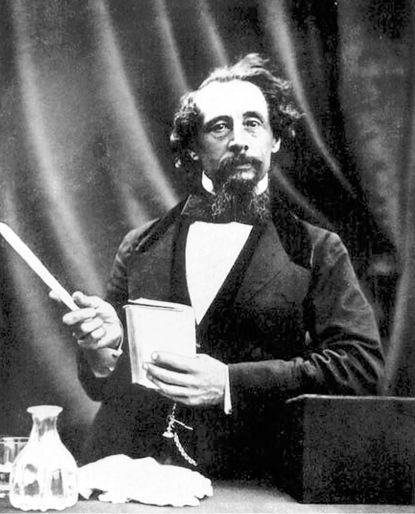 Before Dickens published A Christmas Carol (written in only a six short weeks, and published the week before Christmas at considerable expense to Mr. Dickens), he and his wife Catherine were experiencing your average hardships. They were expecting their fifth child, and supplications of money from his aging father and family, with dwindling sales from his previous works had put him into a tough financial place. In the fall of 1843, a 31-year-old Dickens was asked to deliver a speech in Manchester, supporting adult education for manufacturing workers there. His extreme interest in the subject (one that hit a bit too close to home, I believe) and his resolve to aid the lowly pushed an idea to the forefront of his mind – a speech can only do so much… to get to the crux of the matter he would need to get into the hearts, minds and homes of his readership and country. As the idea for A Christmas Carol took shape and his writings began, Dickens himself became utterly obsessed with his own story. As his friend John Forster remarked, Dickens