After his death in April 2014, the President of Colombia called this author “the greatest Colombian that ever lived.” Let’s find out why!
Author Gabriel García Márquez was born on March 6th, 1927 in the small Colombian town of Aracataca. His father, a pharmacist, and his mother left him to be raised by his maternal grandparents, before coming back to Aracataca for Gabriel and his brother when he was almost 10 years old. His maternal grandparents, his grandfather in terms of his liberal political beliefs and his grandmother’s belief in the supernatural, were very influential in Márquez’s upbringing, and so was, surprisingly, his parents romance before marriage. His father was not the ideal choice in his mother’s list of suitors, and yet he spent quite a bit of energy romancing her (window violinists, love letters, the whole nine yards) and eventually won both her and her family over. This story Gabriel would eventually, much later, adopt for his novel Love in the Time of Cholera.
But, I get ahead of myself. First things first! After being reconciled with his parents at age 10 and moving to Sucre, Márquez became a shy and serious teenager, often found writing humorous poetry, to the delight of his family and friends! Though he was not very athletic as a child, after attending high school at Colegio jesuita San José he was awarded a scholarship to study in Bogotá. After graduating in 1947, Márquez stayed living in Bogotá to study law.
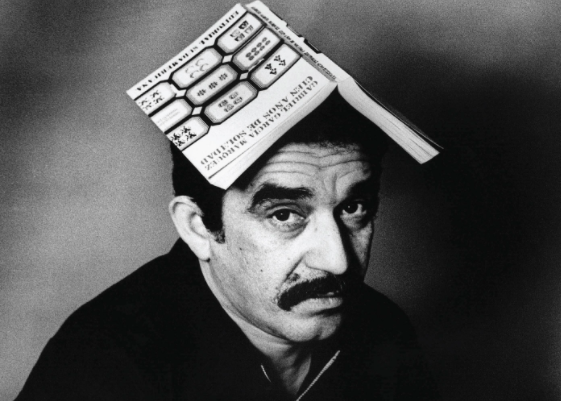 However, Márquez’s passion lay in writing, despite continuing his law studies in order to please his father. That did not stop him from publishing his work, however. Having published poems throughout high school in his school journals and papers, La tercera resignación was his first published work as an adult, which appeared in the 13th of September, 1947 edition of the newspaper El Espectador. Coincidentally and luckily for Márquez,the assassination of Gaitán, in 1948 led his school to be closed indefinitely. Márquez began working as a reporter at El Universal and eventually moved on to write for El Heraldo.
Márquez’s literary skills were honed in the 1950s, when he became part of a group of journalists and authors known as the Barranquilla Group – the Bloomsbury group of Bogotá, if you will. He became enthralled by the works of contemporary authors like Virginia Woolf and William Faulkner – and authors who mixed the every day with the extraordinary, like Franz Kafka. Throughout this time, Márquez continued working as a journalist, honing his literary skills.

In 1955, Márquez’s first novella Leaf Storm, was published after seven years of trying to find a publisher – somewhat shocking, considering the group he was a part of in Barranquilla. Later on, Márquez would remember Leaf Storm as his favorite of his works – insisting that it was his most spontaneous and most sincere work. It follows both a child and woman’s point of view of death in stream of consciousness style.
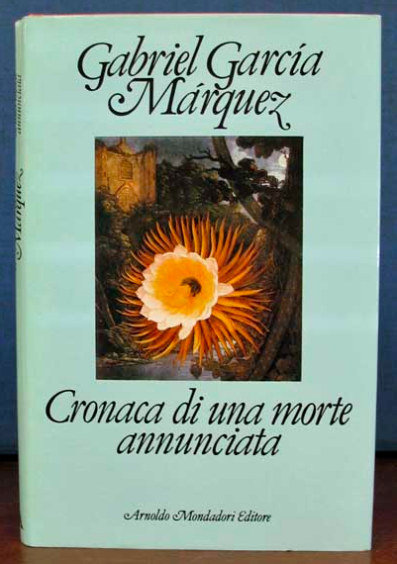 In 1967 Márquez finished 18 months of daily writing to publish his most critically successful work, and the one he would win the Nobel Prize for years later – One Hundred Years of Solitude. After achieving international fame for said work, Márquez spent the following years traveling the globe with his family, acting as a negotiation liaison for several political situations, and writing other works such as Autumn of the Patriarch, The Incredible and Sad Tale of Innocent Eréndira and Her Heartless Grandmother, Chronicle of a Death Foretold (see our holding, a 1st Italian edition, here) and Love in the Time of Cholera. All of his works held a kind of “magical realism” – origins that one can trace back to his upbringing with his realistic grandfather and supernatural-believing grandmother.
By 2005, Márquez was publishing significantly less, though still admitting to writing all the time. After suffering from lymphatic cancer (but going into remission), a few years later it was announced that he was suffering from dementia. In April 2014 he passed away from pneumonia in Mexico City – and his loss was felt by the entire world.




 No.
No. Wednesday night.
 Before I leave Pasadena, I should mention poker.
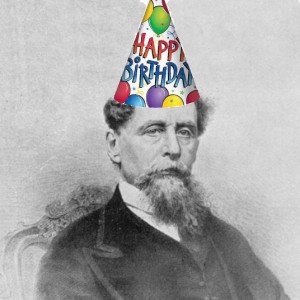

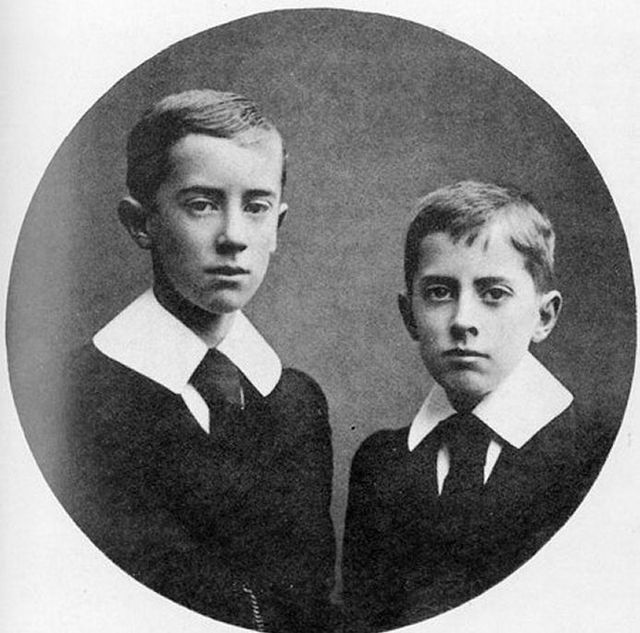 John Ronald Reuel Tolkien was born on January 3rd (yes, yes – we are one day late with this… so sue us!) 1892 in South Africa. Born to English parents, Ronald (as he was known) was followed by a brother just a couple years later. When he was only three years old, his mother took the sons on what was intended to be a long vacation in England to meet their family. While away, Ronald’s father took ill and passed away from rheumatic fever, and the Tolkien family, left without income, did not return to South Africa. His mother Mabel taught Ronald and his brother Hilary from home. Ronald showed an adept interest in languages early on, and was reading and writing around the age of four. His mother became a devout catholic in his early life, and when she passed away when Ronald was twelve years of age, he and Hilary became wards of her trusted advisor, catholic priest Father Francis. Francis would have a profound influence on Tolkien throughout his life.
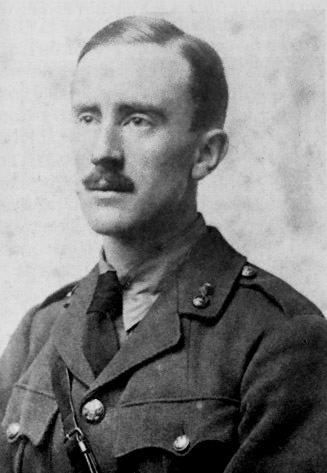 During his teenage years, Tolkien and two of his female cousins had a unique pastime… making up languages. Their languages, Animalic, Nevbosh and Naffarin varied in complexity and drew their roots from Latin, which his mother taught him as a young boy. Tolkien eventually began attending Oxford, at first studying Classics but soon realizing that his interests and talents lay in studying the English language and literature. He graduated in 1915 with first-class honors, a rarity for the year as it was looked down upon for Tolkien to have completed his studies before enlisting as a soldier in World War I.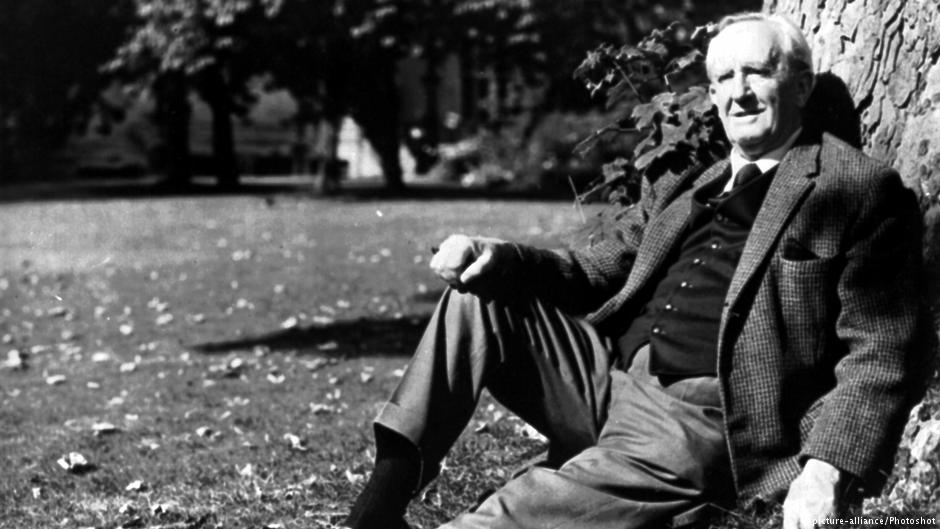
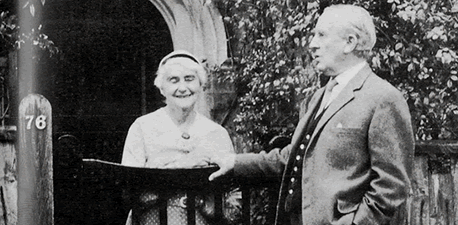 “Those friends who knew Ronald and Edith Tolkien over the years never doubted that there was deep affection between them. It was visible in the small things, the almost absurd degree in which each worried about the other’s health, and the care in which they chose and wrapped each other’s birthday presents; and in the large matters, the way in which Ronald willingly abandoned such a large part of his life in retirement to give Edith the last years in Bournemouth that he felt she deserved, and the degree in which she showed pride in his fame as an author. A principal source of happiness to them was their shared love of their family. This bound them together until the end of their lives, and it was perhaps the strongest force in the marriage. They delighted to discuss and mull over every detail of the lives of their children, and later their grandchildren.” Now if that doesn’t make you want to cry, then I don’t know what to tell you.
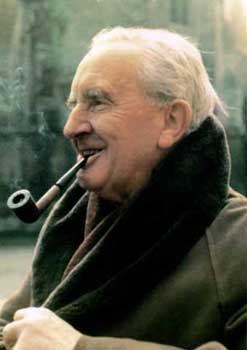 Edith passed away two years before Tolkien. While he lived those years pleasantly enough in very nice rooms provided him at Oxford and honored by the Queen in that time, Tolkien’s grandson Simon would go and visit his grandfather and Tolkien would speak of how he missed his wife and Simon would remark that he seemed “sad”. Tolkien is buried with his wife in Wolvercote Cemetery in Oxford, wanting to be buried in countryside (not in London, etc.) as he disliked industrialization and favored a quieter, country life. These facts were not what you were expecting from the man famed for creating the destructive and warring, mystical and fantasy world of Middle-Earth, now were they? In any case, Happy Birthday to J.R.R. Tolkien! Your work is still remembered and revered today.
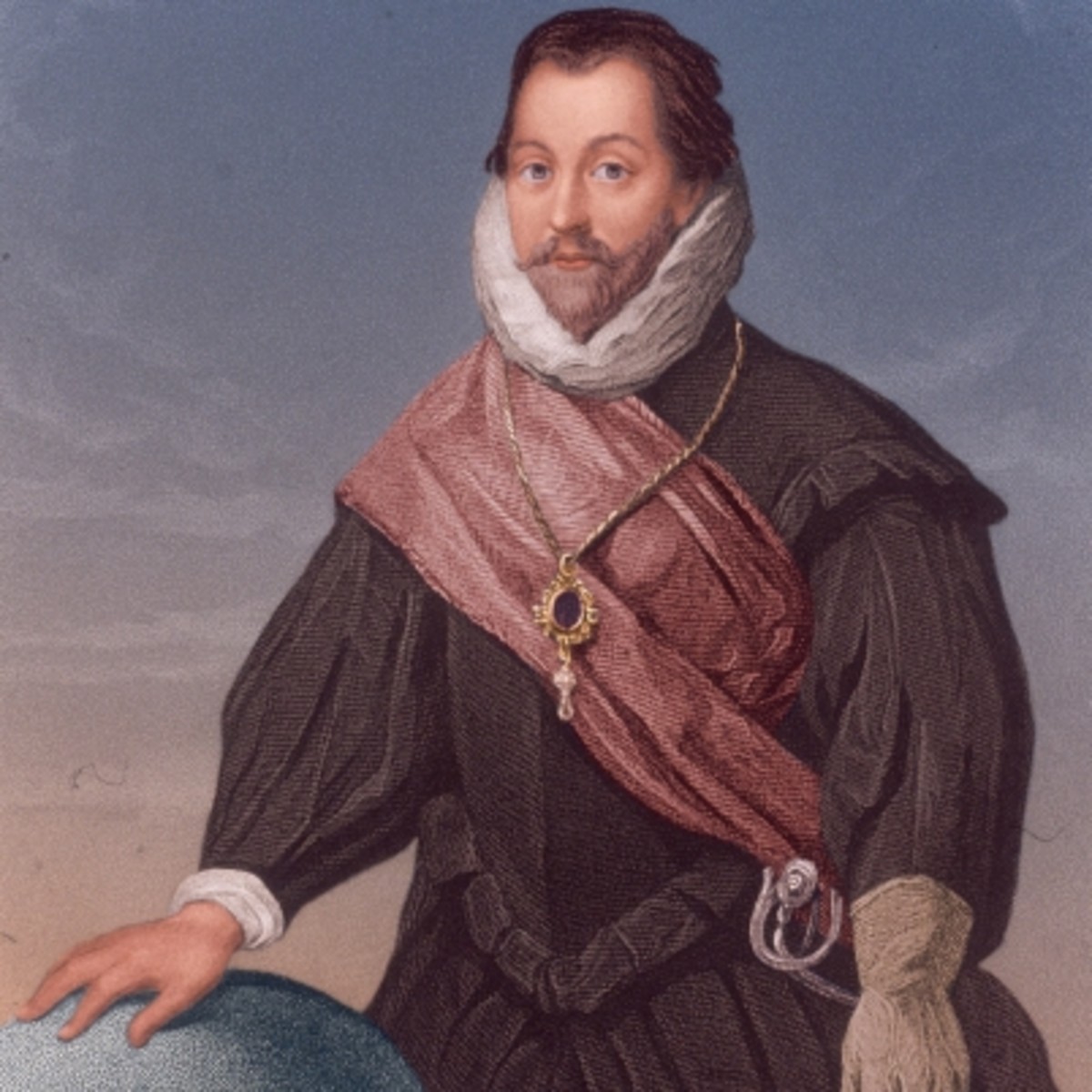 After a few adventures with his cousin, Drake spent much of the early 1570s living along the “Spanish Main” or the Panama Isthmus, attacking Spanish vessels and small settlements. During this time, fun fact, Drake climbed a tree on the Isthmus of Panama and looked out over the Pacific – being the first Englishman to ever behold the Pacific Ocean. Drake and his men eventually made it back to Plymouth, England, having captured much in Peruvian gold but having been forced to bury it along the way to avoid its recapture by the Spanish.
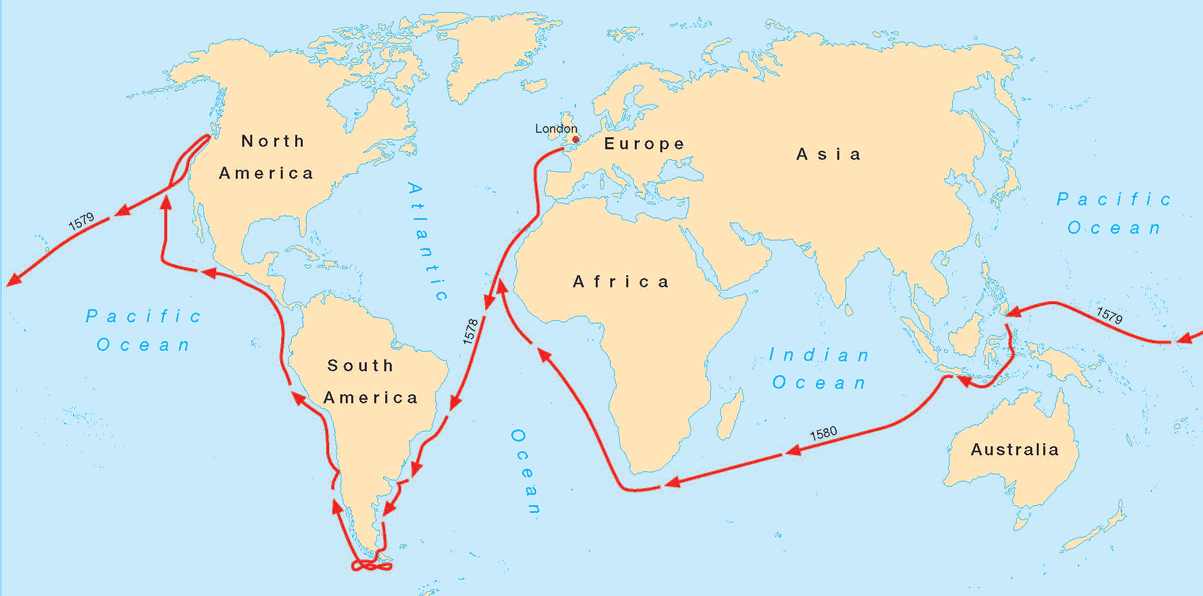 In 1577, Elizabeth I sent Drake (because of his “success” with the Isthmus raids) on an expedition to sail along the Pacific coast of the Americas. After one false start due to bad weather, the crew set final sail on the 13th of December, 1577. Drake set out with five ships (which soon became 6) and 164 men. The crew made it around Cape Horn, and went alongside the coast of South America pillaging and looting Spanish towns and ships along the way. Drake restocked and rested his ships on the Coast of California for a time, and then continued on to the Molucca islands in what is now known as Indonesia. Eventually Drake rounded the Cape of Good Hope – the southernmost tip in Africa, and made his way back to Plymouth, having circumnavigated the globe and made it around two of the most treacherous sailing spots in the world (both Capes) in just under three years.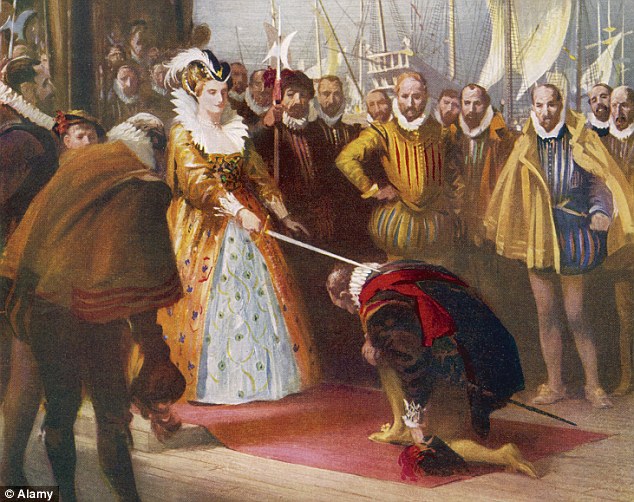
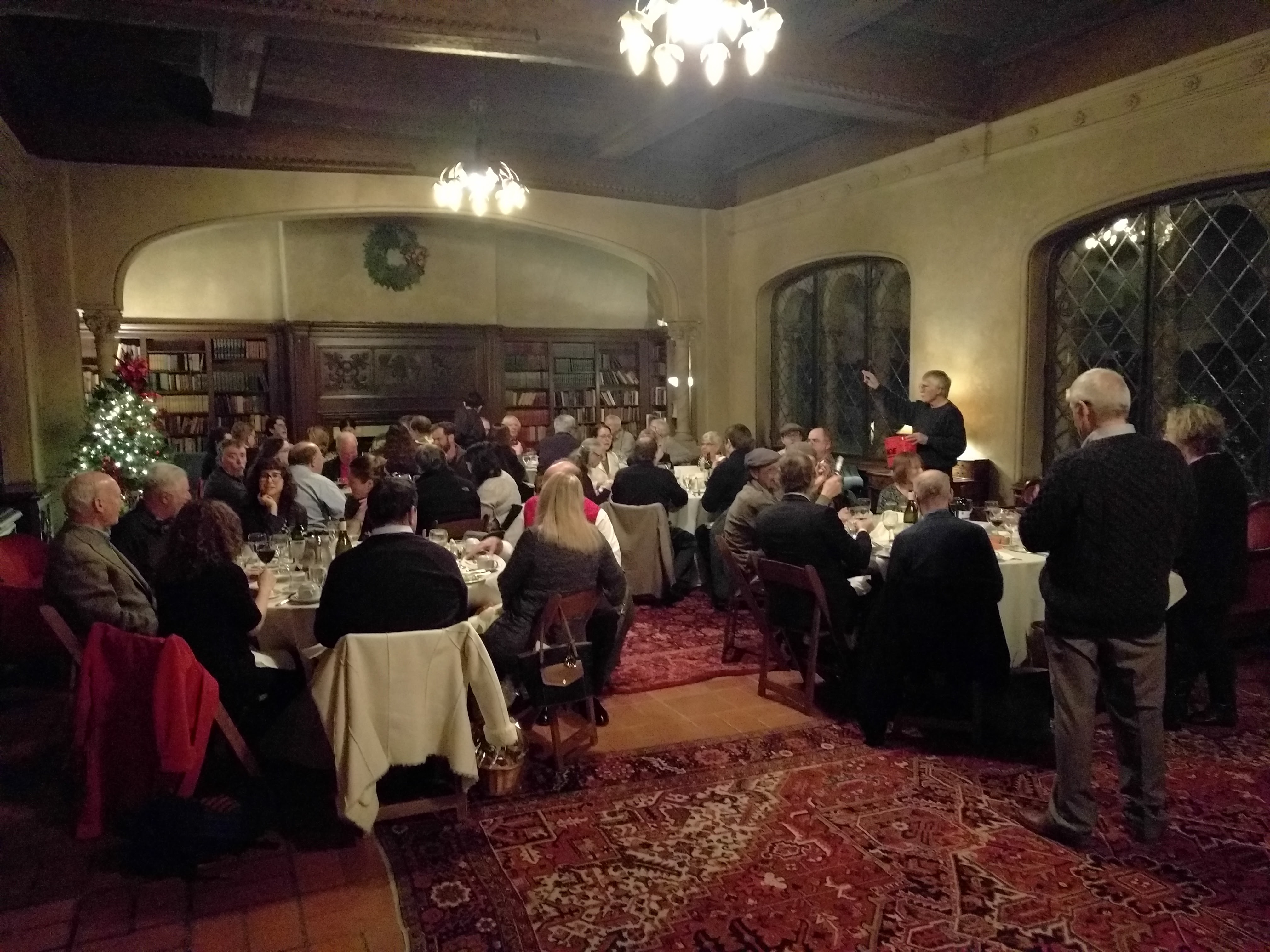
 This year the bar, being held in the same large room as the dinner, seemed to be a bit more of an intimate affair (which I rather enjoyed). The large table of donations for the Elizabeth Woodburn / ABAA Benevolent Fund raffle was overflowing – as usual with impressive selections of beverages, but with also some fun gift baskets and chocolates, 2018 SF Giants baseball tickets, etc., etc!