NOTE: Please understand that this blog contains heavy subject matter and foul language. You’ve been warned.
Censorship. A hated word in the bibliophile community. The very definition of the word seems off. Too… all encompassing.
Censorship is defined as: “the suppression or prohibition of any parts of books, films, news, etc. that are considered obscene, politically unacceptable, or a threat to security.” Well now, from my own experience I can tell you that anything you write, anything you film, and anything you publish – it can and most likely will be offensive to someone. Someone, somewhere, will read your sentences with disdain. It is inevitable. It is why we have free speech. It is why you shouldn’t believe everything you read on the internet (including blogs). Censorship has won so many times over the centuries. How lucky we are to live in a country and be a generation that incorporates free speech and acceptance into our daily lives. If censorship was still at large, we would not be able to search anything we please on Youtube. We would be reading only what a small group of people we don’t know would be allowing us to read. Our President would not be allowed to post his every thought on Twitter.
Okay wait, perhaps censorship does have a silver lining.
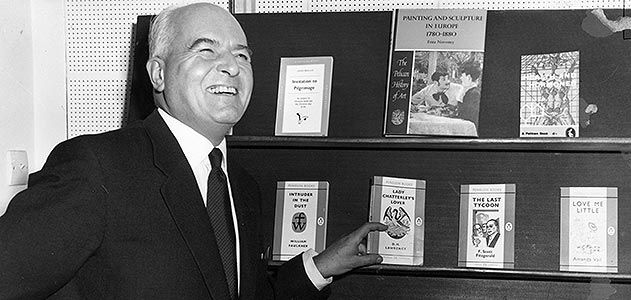
My point is – by and large – a world without censorship (as it has been known) is far superior to a world lived in the dark. On this day in 1960, censorship truly lost an epic battle in London. D. H. Lawrence, Penguin Books, Lady Chatterley and literature won, despite the fact that Lawrence was no longer around to enjoy his success. In one day, Penguin sold 200,000 copies of the title that had been banned since 1928. Over the next few months, over 3 million copies went home with their newly adoring owners. So what did the trial in 1960 truly do? As Geoffrey Robertson for the Guardian states, “No other jury verdict in British history has had such a deep social impact.” Let’s find out why.
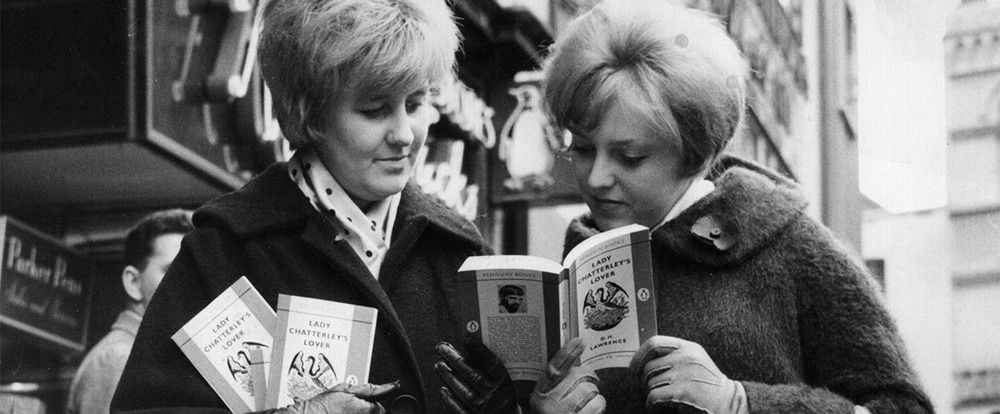
Lady Chatterley’s Lover was privately printed for the first time in Florence in 1928. Due to illegal copying of the book, Lawrence arranged for a more legitimate publication of the book the following year in Paris. The British government immediately recognized its “disturbing” subject matter and the offensive language contained in the book – the opening prosecuting speech during the 1960 trial stated that “The word ‘fuck’ or ‘fucking’ appears no less than 30 times… ‘Cunt’ 14 times; ‘balls’ 13 times; ‘shit’ and ‘arse’ six times apiece; ‘cock’ four times; ‘piss’ three times, and so on.” Now, if you ask me… that’s just a list of dirty words. Perhaps the prosecution should have been censored, no? At least Lady Chatterley’s Lover had plot descriptions surrounding these words. In any case, Britain had spent the previous 30 years putting energy into keeping the book out of the country. So how did Penguin books win this battle in 1960?
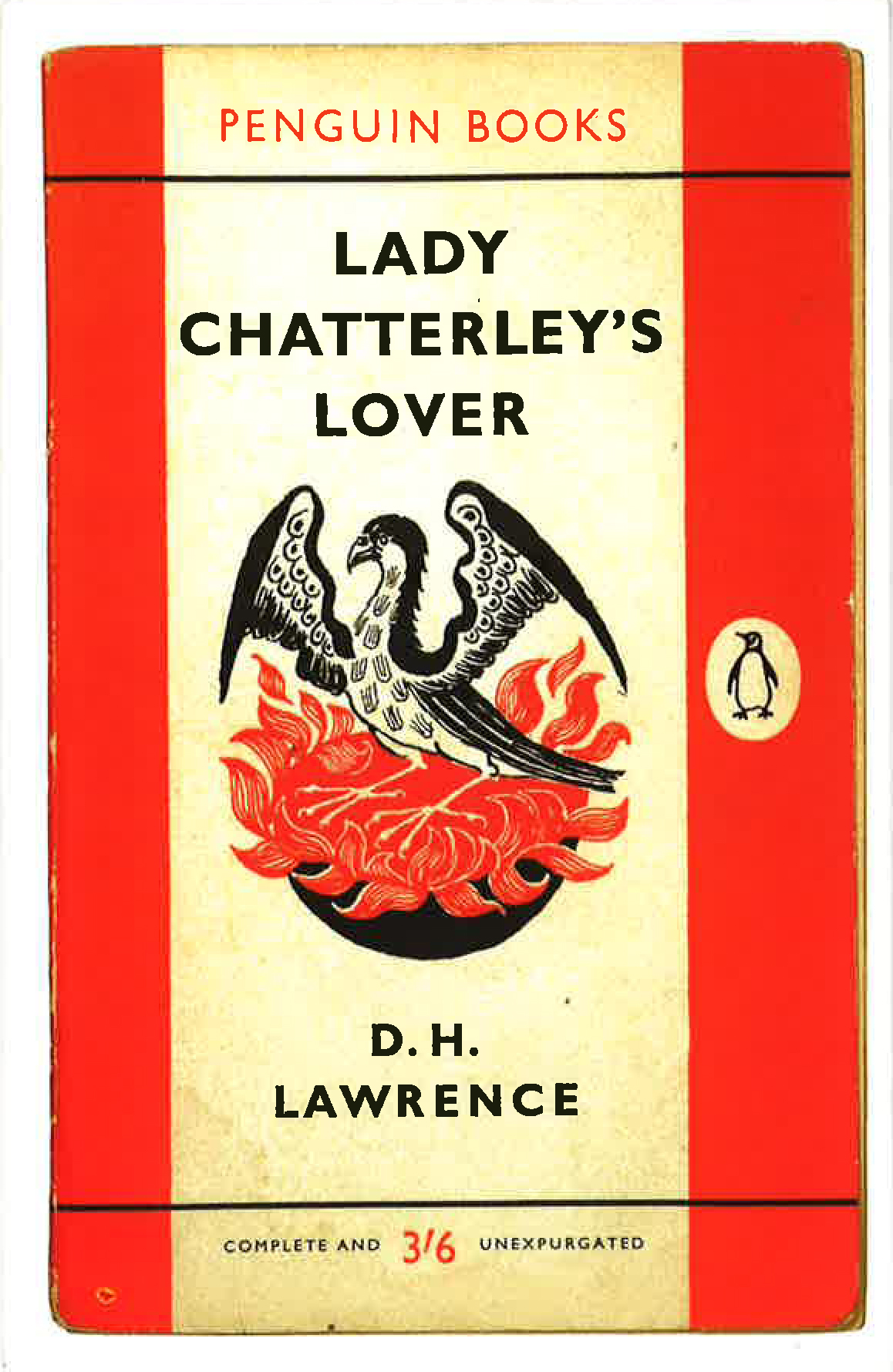 The defense was aided in part due to the previous year’s 1959 Obscene Publications Act, which Parliament passed saying that in order for censorship to take place, the work in question would need to be considered as a whole – without singular focus on the dirtier bits. The prosecution did not fare well anyway, as, despite a conservative following not wishing to see the book in print and in the hands of anyone, lawyer Mervyn Griffith-Jones called no witnesses to support his argument (as no one agreed to stand for the prosecution) and merely suggested that the book had no literary merit. The defense, led by Gerald Gardiner (who would a mere four years later become Labour Lord Chancellor), had rather a different angle. He stated that the book did have merit, that Lawrence wasn’t simply writing smut, but attacking the “impersonality of the industrial age and loss of personal relationships… he was extolling the life-giving importance of romantic and sexual intimacy” (The Telegraph). Gardiner called 35 witnesses to his side – big wigs in academia and literary worlds. He even had a Bishop – the Bishop of Woolwich, who wrote that, though Lawrence was not a Christian himself, he was “portraying the act of sex as something valuable and sacred – as an act of communion” – he went so far as to say that Christians could easily read this title.
Let’s face it… Griffith-Jones did not stand a chance.
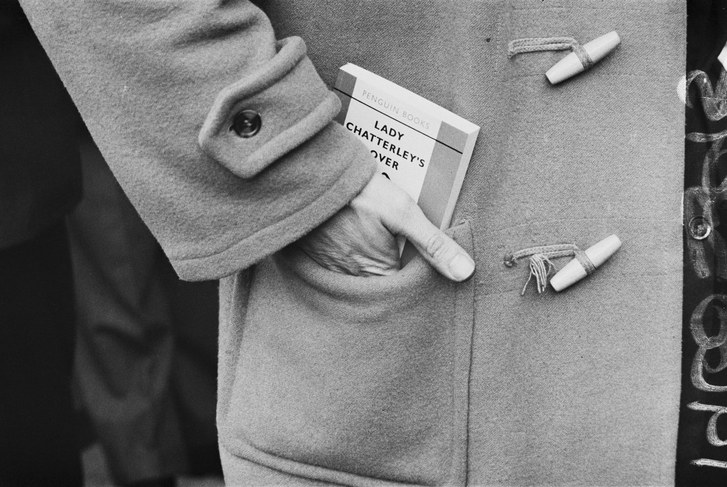
The trial began on October 20th, 1960 in the Old Bailey’s Court No. 1. The jury held nine men and three women, and though the judge offered the defense to remove the women from the jury and the court, Gardiner refused and wished the women to stay. The entire trial lasted only 13 days (ending on November 2nd), and deliberation lasted only 3 hours. Penguin Books and Lady Chatterley’s Lover came out on top. Fifteen minutes after Penguin Books was found not guilty, Foyle’s bookshop in London had taken in orders for over 3,000 copies. On November 10th, 200,000 copies sold. As the Telegraph muses, “The result of the trial was an instant liberalization of attitudes toward publishable material. But its impact went much further. It started the process of breaking down taboos around sex – a movement that would culminate in the sexual liberation of the 1970s – and it changed the stuffy and outdated prism through which the class system was viewed” (The Telegraph).
We couldn’t have said it better ourselves, and we are so glad that we have the ability to report on this case, and celebrate the fact that due to this novel, due to this trial, we all live in a more liberated and free world.

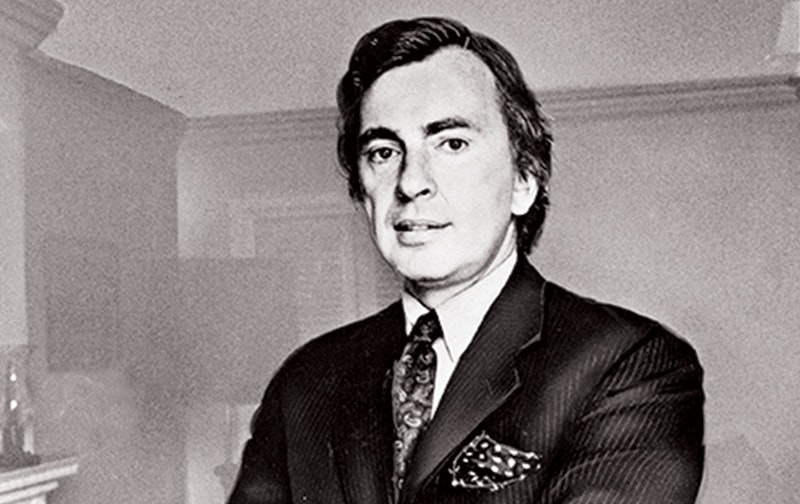
 4. We think this quote by Vidal needs no explanation (but everyone please remember that this is Vidal’s quote – not necessarily ours): “There is only one party in the United States, the Property Party … and it has two right wings: Republican and Democrat. Republicans are a bit stupider, more rigid, more doctrinaire in their laissez-faire capitalism than the Democrats, who are cuter, prettier, a bit more corrupt – until recently … and more willing than the Republicans to make small adjustments when the poor, the black, the anti-imperialists get out of hand. But, essentially, there is no difference between the two parties.” Ouch!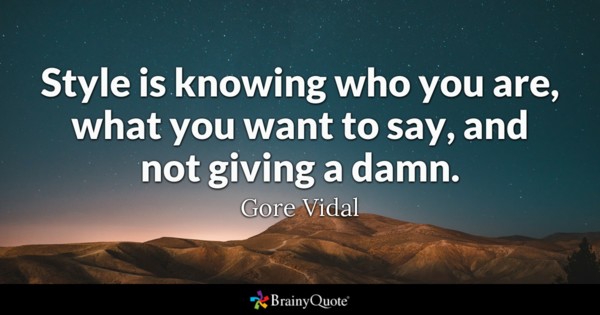
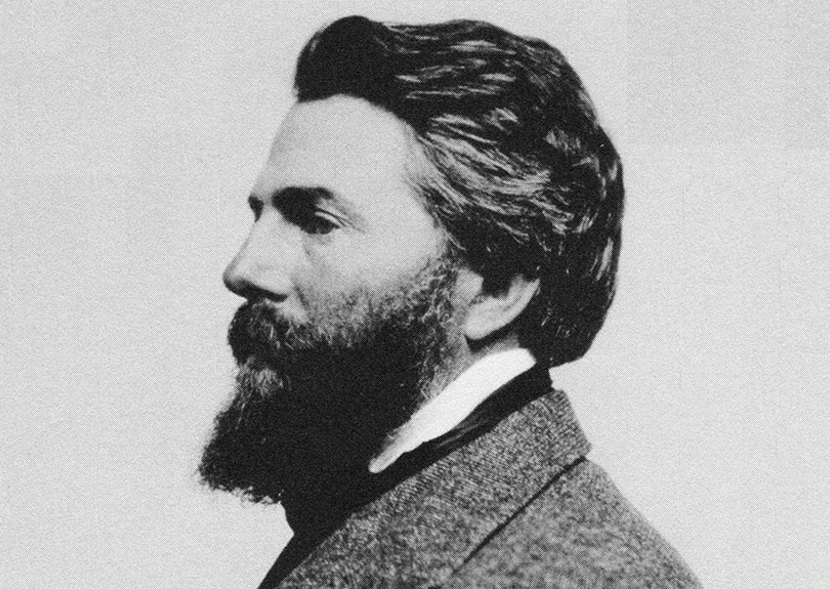
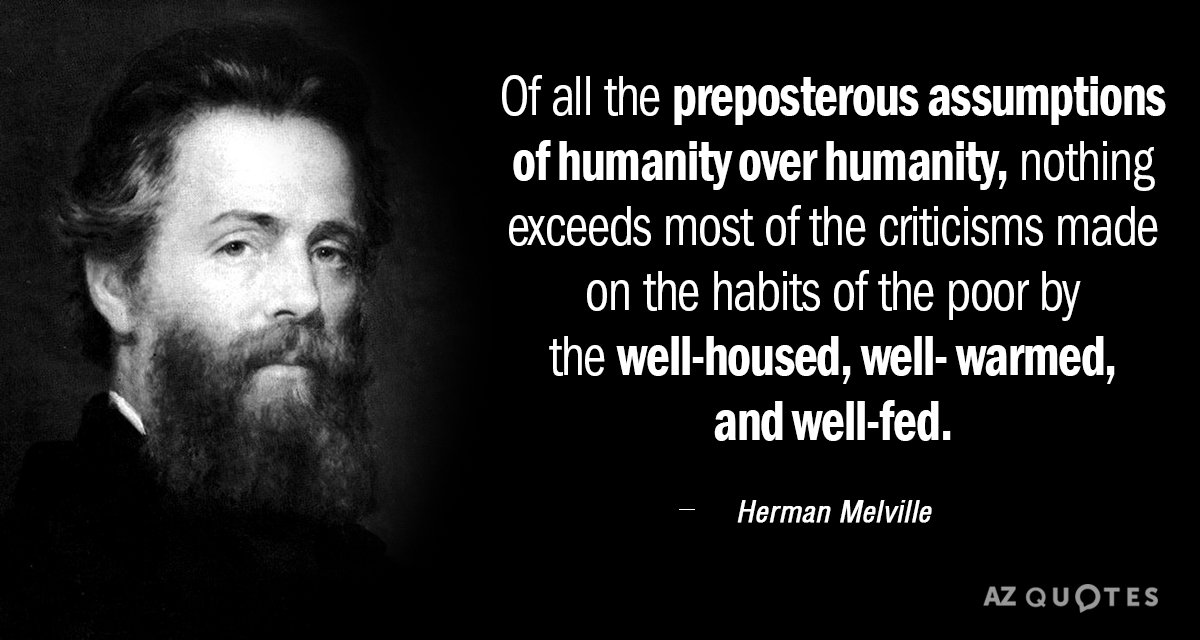
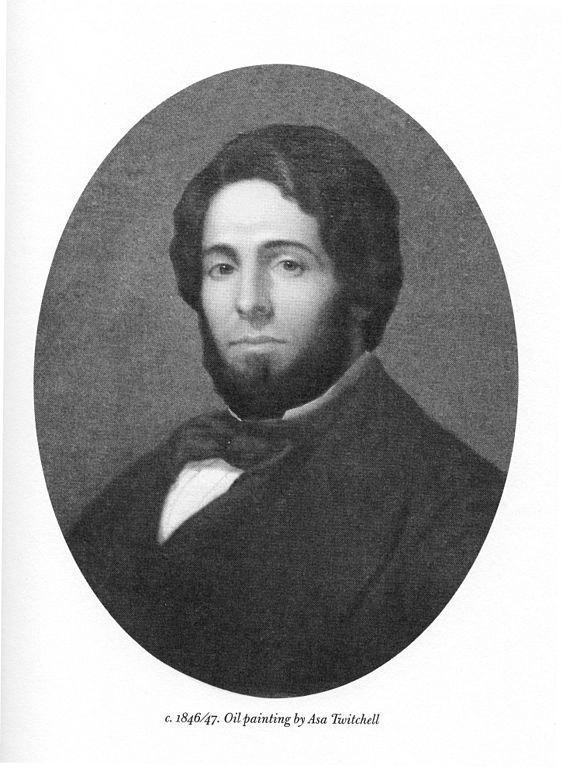 Herman Melvill (yes, that spelling is correct) was born in August of 1819 in New York City. He was the third of eight children born to a merchant and his wife. Though his parents have been described as loving and devoted, his father Allan’s money woes left much to be desired. Allan borrowed and spent well beyond his means, and after contracting what researchers imagine as pneumonia on a trip back to Albany from New York City, he abruptly passed away when Herman was merely 13 years old. Herman’s schooling ended as abruptly as his father’s life, and he was given a job as a clerk in the fur trade (his father’s business) by his uncle. Sometime around this time, Herman’s mother changed the spelling of their last name by adding an “e” to the end. History is still unsure as to why she would have done this – to sound more sophisticated, to hide from debt collectors… we may never know! But that simple “e” will live on forever, that is for sure.
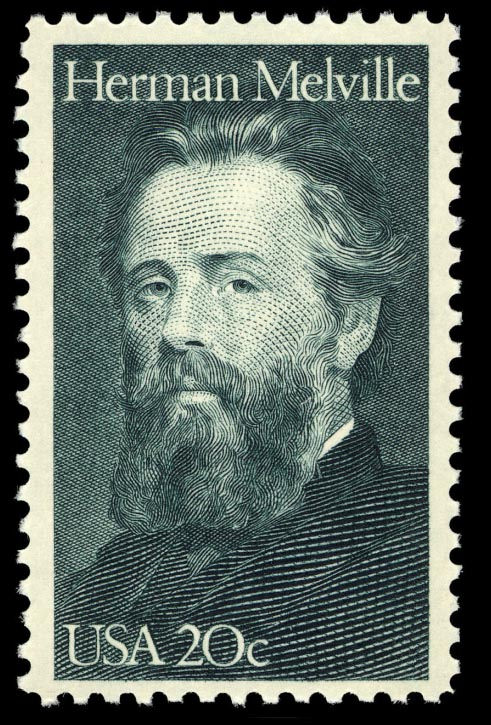 In May of 1831 Melville signed up as a “boy” (a newbie, for all intents and purposes) on a merchant ship called the St. Lawrence, and went from New York to Liverpool and back. That experience successful (and what with a longstanding obsession with the true story of the search for the white sperm whale called Mocha Dick), he decided to join the Acushnet for a whaling voyage in 1841. After a few months on board, Melville decided to jump ship with another deckhand in the Marquesas Islands after several reported disagreements with the captain of the ship. Expecting to come across cannibalistic natives, Melville was (unsurprisingly) pleased to find out that the natives were accommodating and friendly – a fact which he would later address in his 1845 novel Typee – semi-autobiographical in nature as it was based on his stay in the islands. Melville then experienced island and country hopping to an extreme degree, after boarding a boat from the Marquesas to Australia then continuing on whaling and merchant vessels visiting Tahiti, Oahu, Rio de Janeiro and Lima, Peru – among others. Eventually, Melville ended up back in Boston, Massachusetts.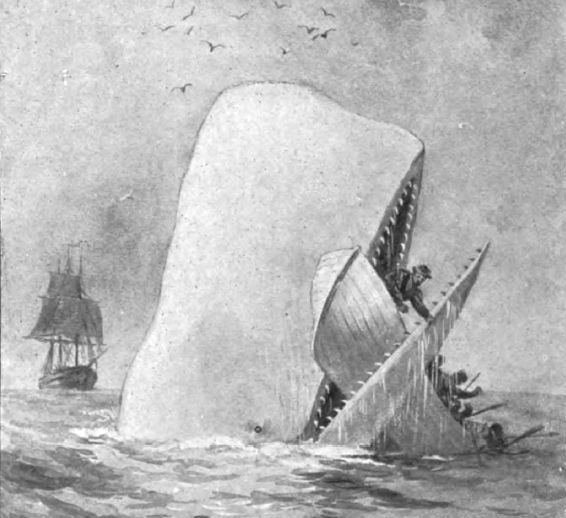
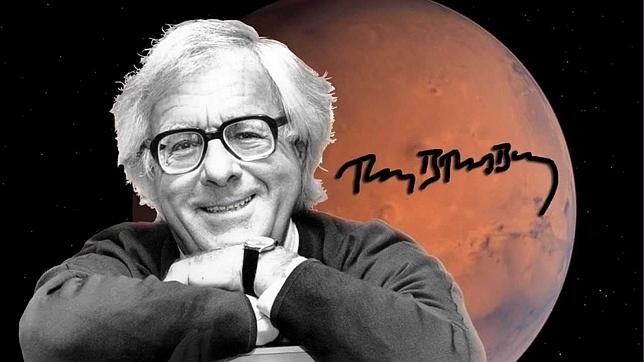
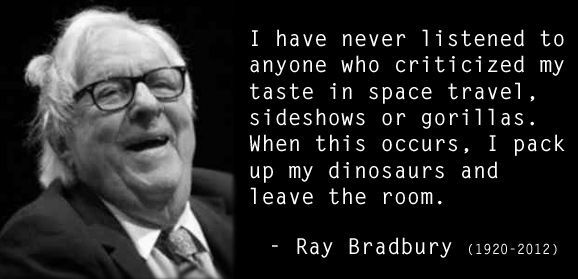
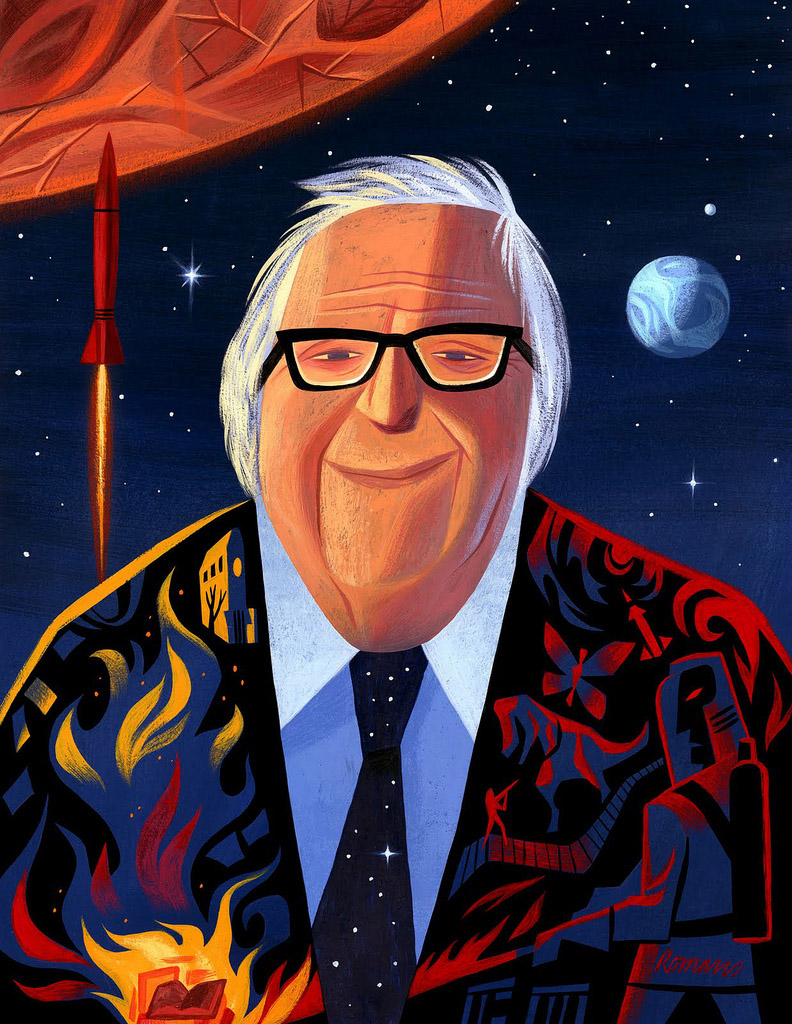 Bradbury was born on August 22nd, 1920, in rural Illinois. In 1932 at the age of twelve, Bradbury had a somewhat extraordinary experience with a traveling magician known as Mr. Electrico – who touched him on the nose and exclaimed “live forever!” – to which Bradbury took in the best way possible – his literature (which he began writing only days after this experience) will live forever. A couple short years later, the Bradbury family relocated to Los Angeles, where he was able to join the Los Angeles Science Fiction league as a teenager, and counted authors such as Robert Heinlein and Henry Kuttner among his mentors.
 At the age of 19 his literary career began getting even more serious – and he honed with fantastical science fiction writing style by publishing his own fanzine, called Futuria Fantasia, and traveling to the first World Science Fiction convention, held in 1939 in New York City. His short stories began to be published in Science Fiction magazines such as Weird Tales and Super Science Stories. In the 1940s, Bradbury began to be published in high-end literary and social magazines like Harper’s, the American Mercury, Collier’s and The New Yorker – not typical for most science fiction writers. And to do it without losing sight of your style and genre – almost unheard of! Bradbury published short stories, series’, and novels over the coming years. In 1953 his novel Fahrenheit 451 hit the shelves – and is now regarded as one of his greatest works. It follows a futuristic world where censorship is in full force and follows the seduction of one firefighter through the world of literature. Fahrenheit 451 was closely followed by his collection The Golden Apples of the Sun, where the story inspiration for 20,000 Leagues Under the Sea was found. He followed up his works with more and more short stories, and more novels, until his later life, when he elected to turn more often towards poetry, drama and mysteries – including adapting his stories for the big screen. Despite being considered a primarily science fiction writer, Bradbury often considered his works more in the fantasy, horror and mystery genres – that he did not stay true to science fiction themes, with the exception of his novel Fahrenheit 451.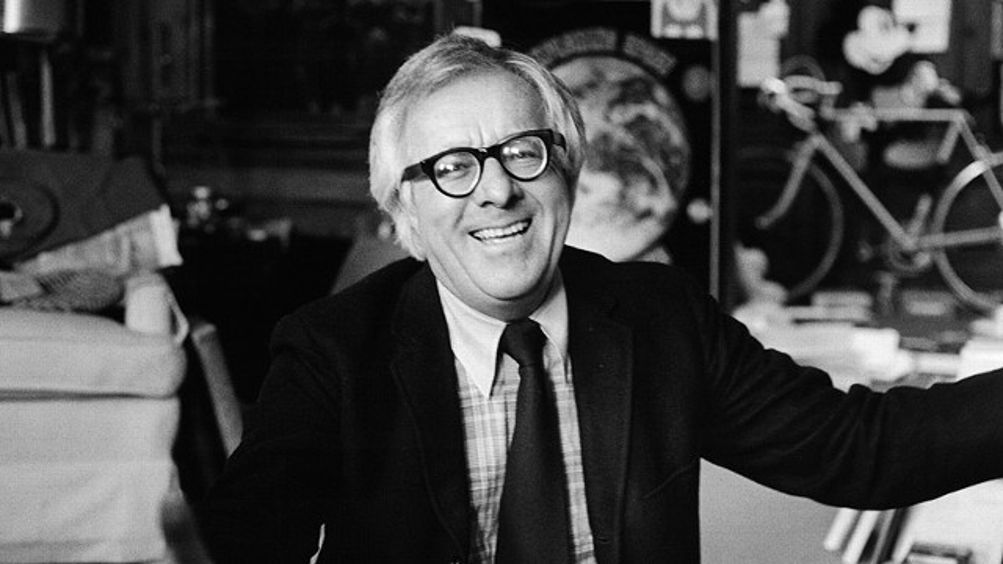
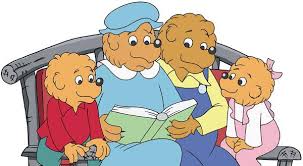
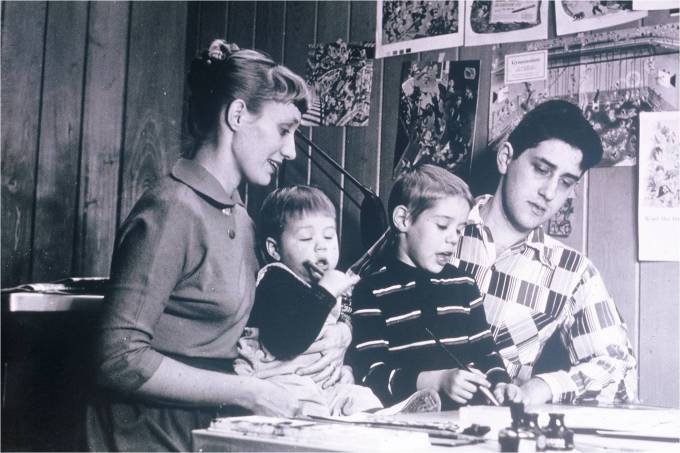
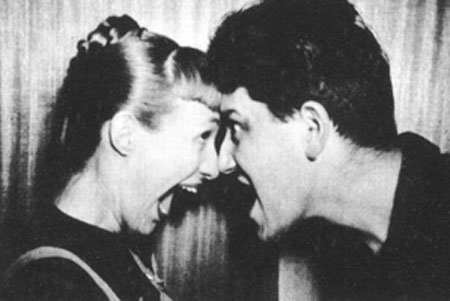 In 1941, Janice Grant and Stanley Berenstain met on their first day at the Philadelphia Museum School of Industrial Art and became close very quickly. At the onset of World War II, they took up different war effort posts (as a medical illustrator and riveter), but were eventually reunited and married in 1946. They found work as art teachers, then eventually became co-illustrators, publishing works like the Berenstain’s Baby Book in 1951 followed by many more (including, but not limited to Marital Blitz, How To Teach Your Children About Sex Without Making A Complete Fool of Yourself and Have A Baby, My Wife Just Had A Cigar). In the early 1960s the Berentain’s first “Berenstain Bears” book made it to a very important colleague and publisher – Theodore Geisel – or, as some of you may remember from our somewhat recent blog, Dr. Seuss!
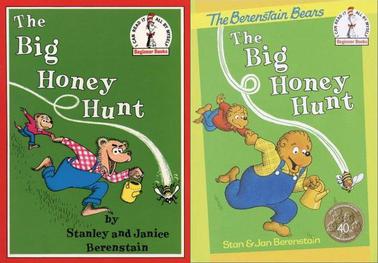 Geisel traded ideas with the Berenstains for over a year – until he finally felt like they had a marketable product for the American public. In 1962, The Big Honey Hunt hit shelves across the USA. The Berenstains were working on their next book – featuring penguins – when Geisel got in touch to say another bear book was needed by demand, as The Big Honey Hunt was selling so undeniably well. Two years later The Bike Lesson came out… which began a waterfall of publications… at least one a year since then, but typically more than a few. A record 25 Berenstain Bears books were published in 1993 alone! Six titles have already been published in 2018. The immediate success of the Berenstain Bears lead to a situation not unlike the popular Hardy Boys series or Nancy Drew’s popularity – only for a younger age range and with a somewhat different tone. Not to mention all written and illustrated by the same authors, at least until Mike Berenstain took over the franchise in 2002. Jan and Stan were quite a busy pair for a number of years!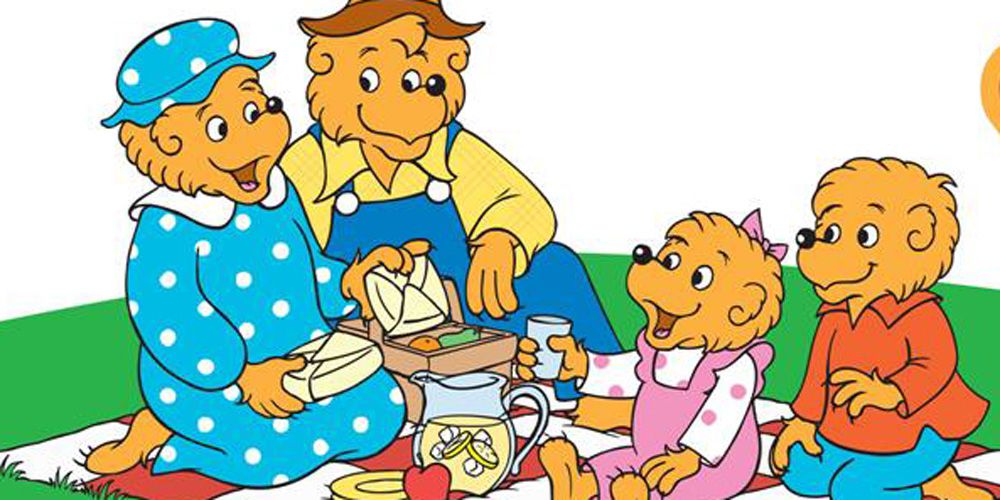

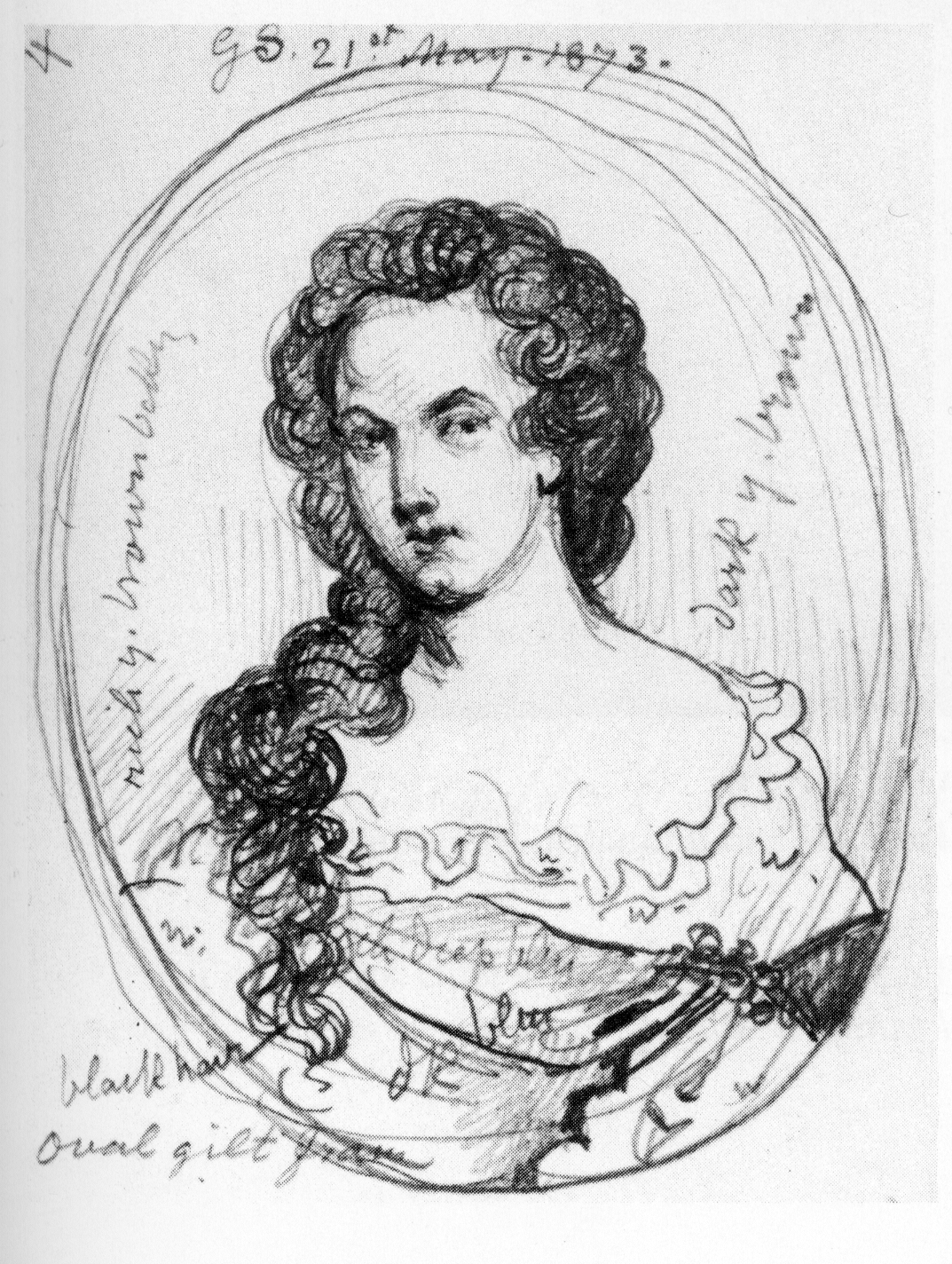
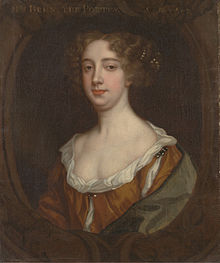 As a stout Stuart supporter, Behn became attached to the royal court after King Charles II came back into power in 1660. Now we get into the exciting (and more traceable) details of this woman’s life – in 1666 her connections to the crown landed her a job as a spy during the Second Anglo-Dutch War and she arrived in the Netherlands in July of that year. However, her time there did not pan out as planned, as Charles II was extremely neglectful of payments – and Behn was forced to return to England after having to pawn some of her jewelry in order to live abroad. After her return to England, she began working as a playwright (though reportedly had written poetry prior to this job) for the King’s and Duke’s Companies in London. Her work as a scribe was popular, and her plays began to be seen on the stage in 1670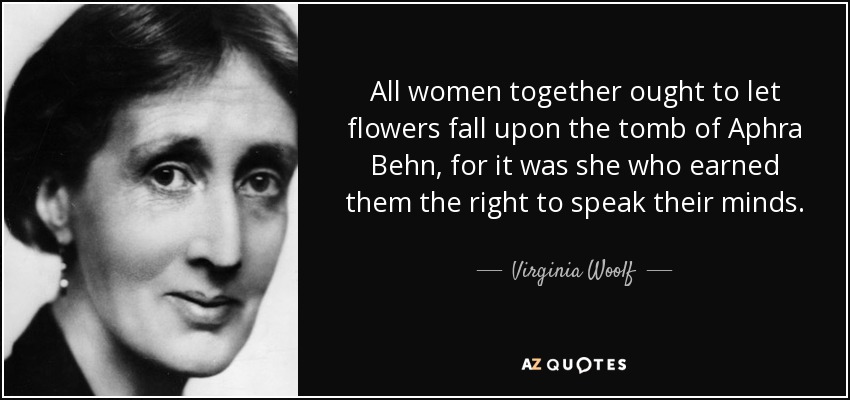
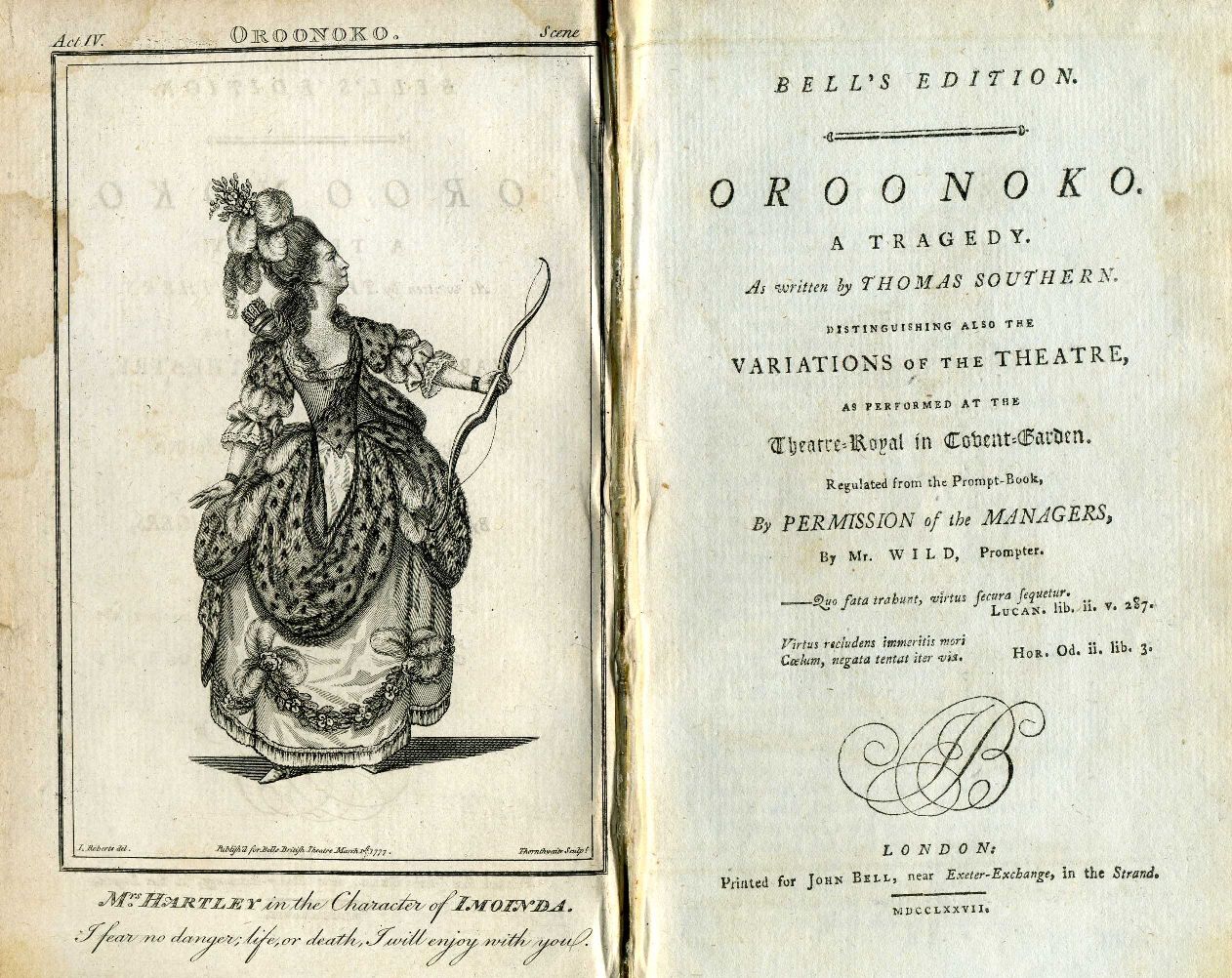 Publishing her famous novel Oroonoko just a year before her death in 1688, Behn truly wrote until her health completely deteriorated. Though she died at age 48 in relative poverty, Behn was buried in Westminster Abbey under her tombstone which reads, “Here lies a Proof that Wit can never be Defence enough against Mortality.” (Hilarious even in death…) Happy Birthday to this early feminist!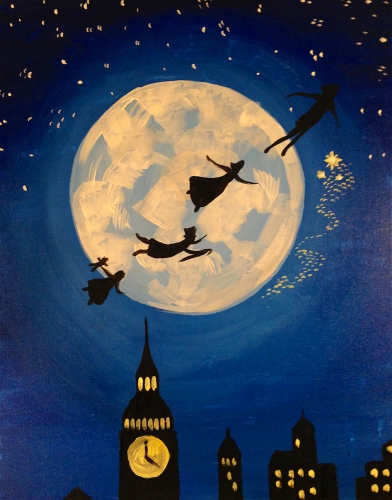
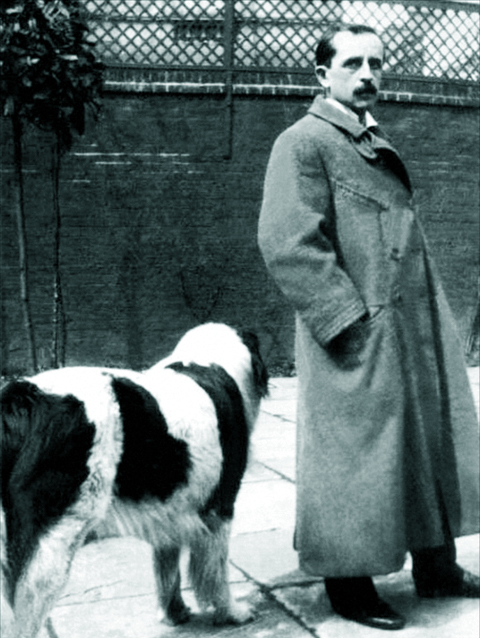 Barrie wrote several successful plays (and a couple flukes), but his third script brought him into contact with a young actress of the day – Mary Ansell – who would later, in 1894, become Barrie’s wife. For their union Barrie gifted Mary a St. Bernard puppy – who would become the inspiration for “Nana” in later years. They settled in London but kept a country home in Farnham, Surrey. In 1897 Barrie became acquainted with a nearby family – the Llewelyn Davies family.
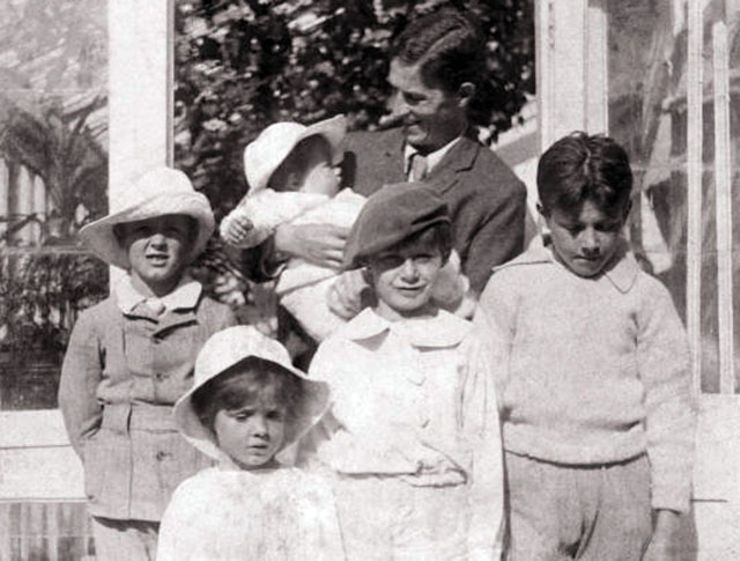 Inspired largely by the stories he told to the Llewelyn Davies family, Barrie began to formulate a story of a boy who wouldn’t grow up, who flew around and had adventures. Not unlike Charles Dodgson’s Alice a century before, Barrie began to write his story into a play and once debuted in 1904, the play Peter Pan; or the Boy Who Wouldn’t Grow Up was an immediate success. George Bernard Shaw said of the performance, “ostensibly a holiday entertainment for children, but really a play for grown-up people” – a wonderful description of the meanings and metaphors found in Peter Pan. Though children may see the adventure story on the outside, the adults in the audience could see what was really at play (pun intended) – Barrie’s social commentary on the adult’s fear of time and growing old and losing their childish innocence and fun, to name just a few.