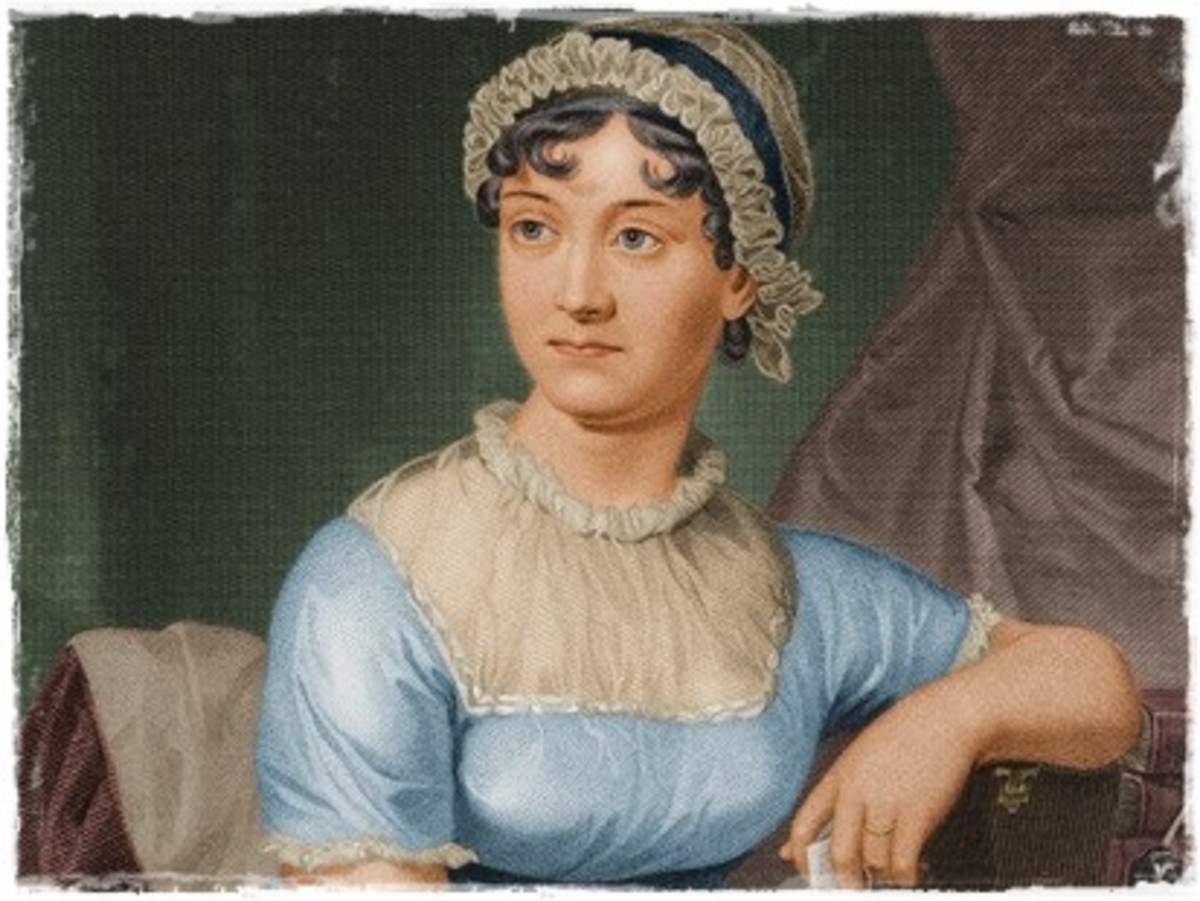
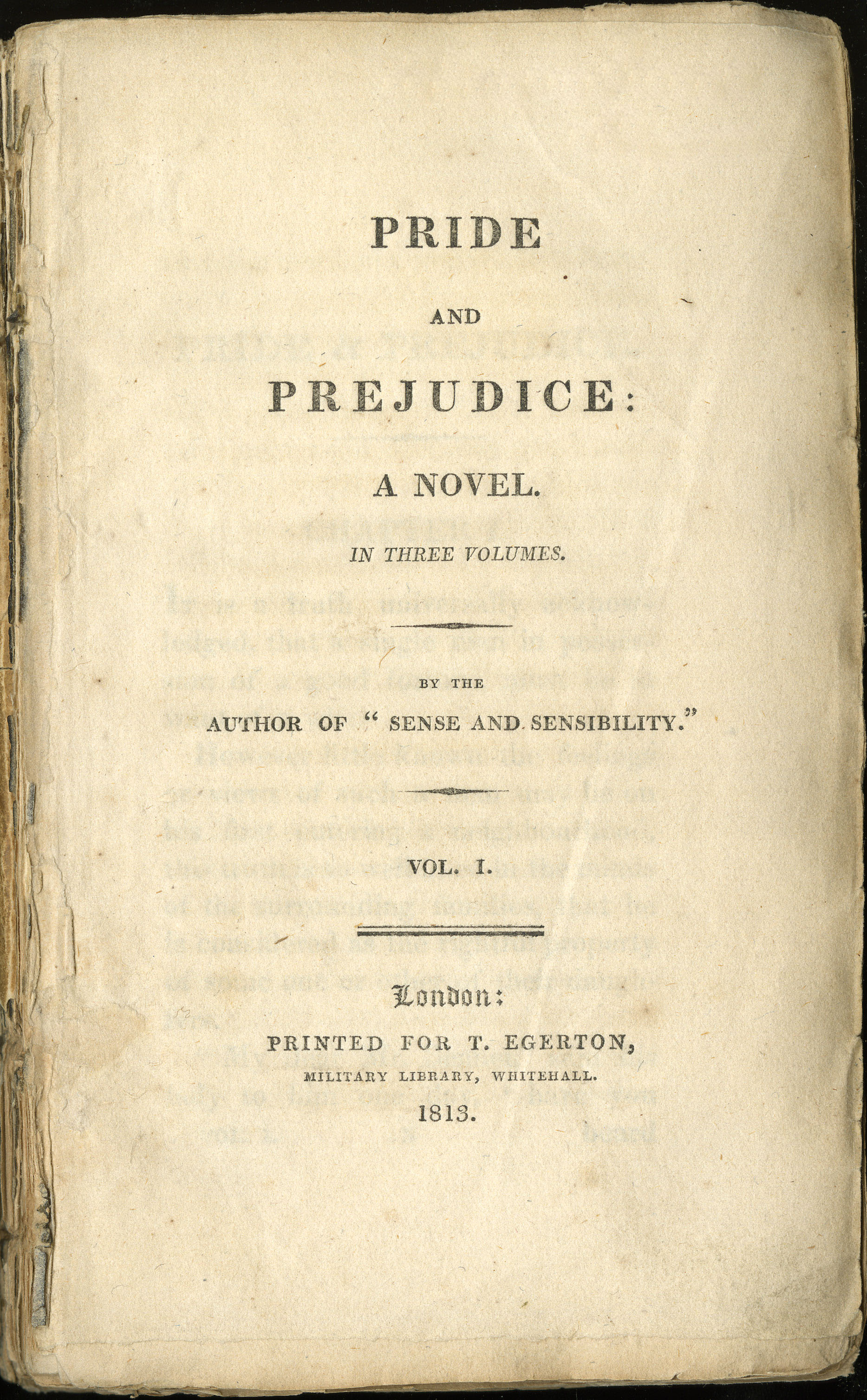
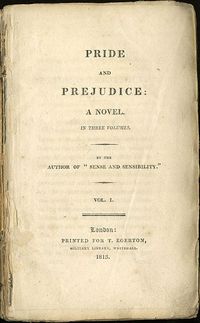
206 years ago this week a book was published that changed the course of literary history, respect for women authors, and the romantic ideals of young women around the world. Over 20 million copies have been sold internationally. Little did Ms. Jane Austen know, Pride and Prejudice, the novel she sold publisher Thomas Egerton for one lump sum of 110 GBP, would sell out its first run in a matter of weeks, the three hardcover volumes valued at 18 shillings.
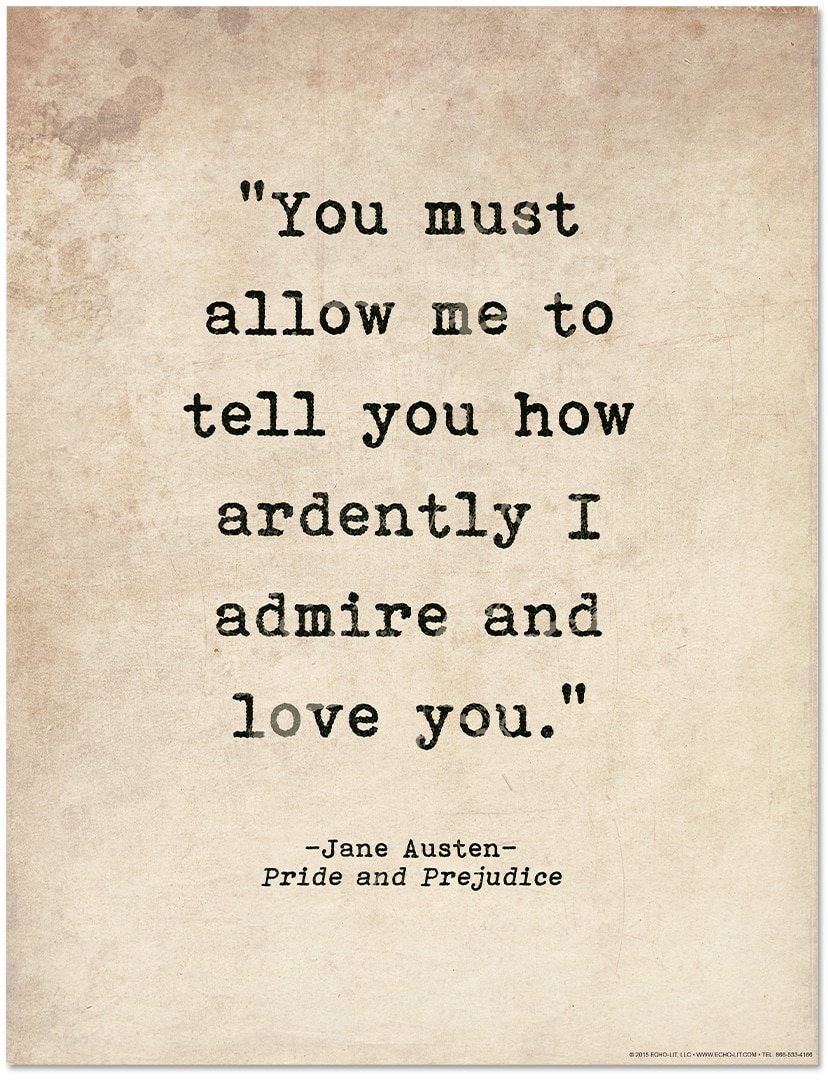 Perhaps blogs on Jane Austen’s life are unoriginal, seeing how often she is touted as a great literary genius. We would like to add our own to the fold, since a) it is kind of shocking we have gotten away with not writing blogs on the lady for so long, and b) we love to love Jane Austen. Austen’s literary genius comes from her impeccable representations of English mannerisms, her wit, her clever dialogues, and her respected portrayals of young women in Regency England as she slowly but surely added to the transition of English Literature to 19th century realism.
And now let’s go over the story we all know… probably by heart, yes? (Not Pride and Prejudice… Jane Austen’s life. But… well… actually we know them both by heart.)
Jane Austen was born on December 16th, 1775 in Steventon, Hampshire. She was a welcome addition to a large family, and especially welcomed as the sole female sibling to be a companion to her sister Cassandra. This understanding ended up being amazingly true, as never before have we heard of sisters more devoted to each other than Jane and Cassandra Austen. Both were sent to boarding school in Reading in 1785, where they were taught the normal accomplishments of women of the day (needlework, dancing, spelling, etc.). However, their formal schooling lasted only a little under two years, before the school fees became too much for the Austen household to handle and the girls returned home. Never again would Jane or Cassandra live parted from the family unit.
The rest of the girls’ schooling would come from their father and brothers James and Henry (to whom Jane remained quite close). The family and their friends would stage private theatricals at the Steventon rectory, often comedic in nature (one doesn’t need to look far to see where her wit and satirical nature was developed). By the time Jane was 12, she had begun to try her hand at writing, working on short plays, poems, and other works of a satirical nature. Later on, these works would be compiled into a volume known as Juvenilia. At the age of 18, at the birth of her first niece Fanny, Jane sent the baby some humorous essays on the conduct of young women. Continuing to do such work for family and friends, which were cherished and often read aloud at gatherings.
 Between the ages of 18 to 20, Austen wrote a short epistolary novel known as Lady Susan (not published in her lifetime). The plot of Lady Susan deals with a manipulative and seductive protagonist who uses charm and flirtation to get what she wants out of men, and is significantly different from any of Austen’s future novels. Throughout her twenties, Austen had several flirtations (mainly Tom Lefroy and an almost terribly matched marriage to Harris Bigg-Wither), but no one stuck. The marriage to Bigg-Wither could have provided her family with financial ease and freedom, but Jane refused to marry for money rather than love (a theme seen in so much of her writing), so rescinded her acceptance of the proposal. (You go, girl.) During her twenties she began the novels Susan, Elinor and Marianne and First Impressions – novels which would eventually turn into Northanger Abbey, Sense and Sensibility and Pride and Prejudice.
 The early 1800s were a tumultuous time for the Austen family, as with her father’s sudden death in 1805 her sister, mother and her were left on the charity of their brothers and other extended family members. The ladies moved around the countryside often, until finally in 1809 being offered a cottage in Chawton by Austen’s elder brother, Edward. If is here that Austen perfected and wrote more novels, at a relatively quick pace. This was seemingly due to quiet country life, with fewer distractions and more time to focus on her skill. Sense and Sensibility was published in 1811, Pride and Prejudice in 1813, Mansfield Park in 1814, and Emma in 1815. These novels, though published anonymously “By a Lady” were favored and popular during their time. Though they brought her rather little fame or money, she was known and by the 1830s she would become a household name.
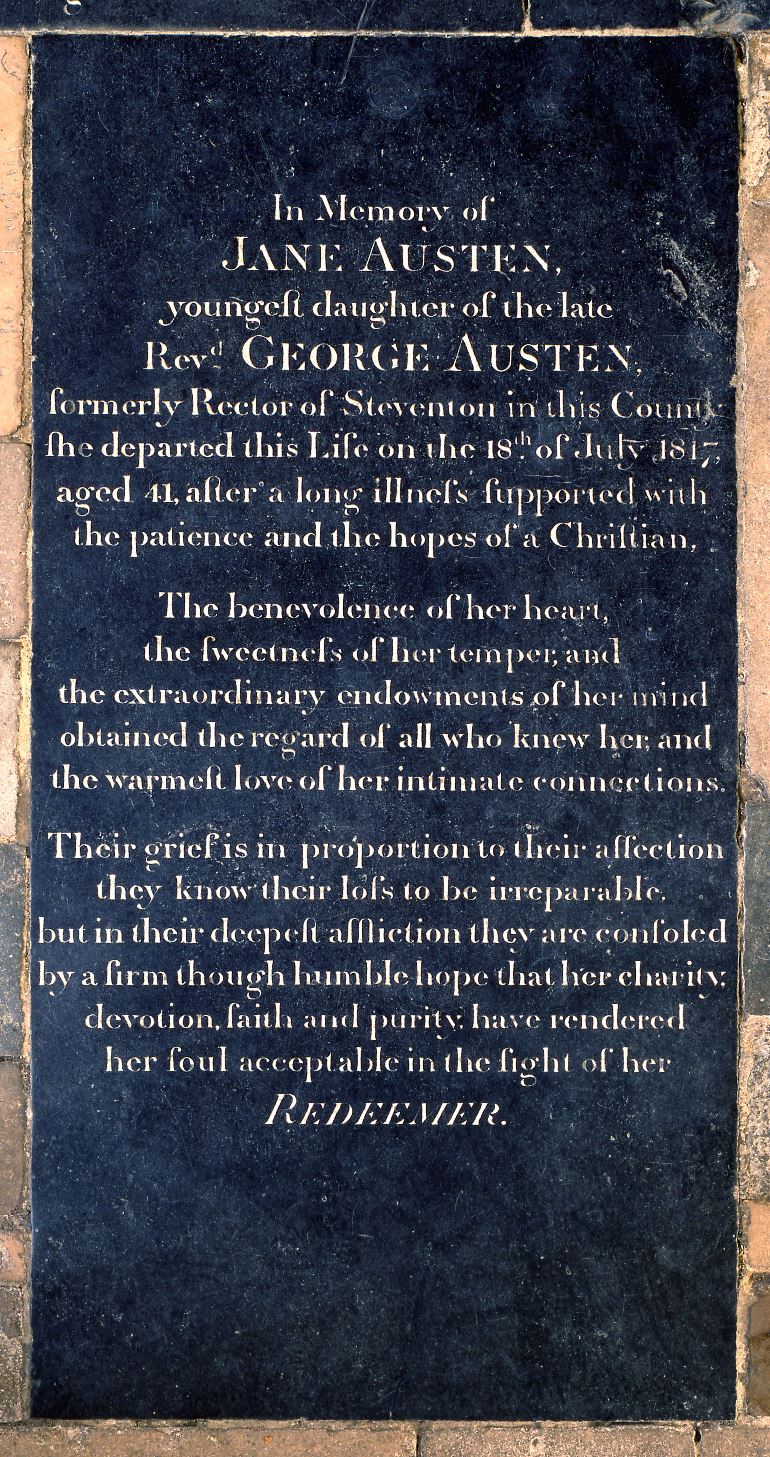
Unfortunately Jane would not live to see those days, as by 1816 she began feeling unwell, with what can today be attributed to Addison’s disease or Non-Hodgkins Lymphoma. By March of 1817 she was no longer strong enough to write, and passed away on July 18th, 1817, at the young age of 41. Much of her work was published posthumously, despite her personal life being somewhat of a mystery – after her death her sister Cassandra destroyed (possibly) thousands of her letters, leaving only 161 known letters to investigate – to protect her sister’s privacy. Who knows what kind of further work could have been achieved by this literary lioness had she not fallen ill… who knows what other heroines we might have been able to empathize and laugh with had she lived long enough to write.
The important fact is… Jane Austen existed, and due to her wit and cleverness we have Elizabeth Bennet and Mr. Darcy to show us how its done… right in time for Valentine’s Day!




 Now, we might be exaggerating just a teensy bit, as there really wasn’t any rain falling on our books, as we were able to unload in the garage, with plenty of help with dollys, unlike other local fairs we have attended! Luckily for us… it meant we didn’t really need to do much heavy lifting. The fair itself was a fun event, us getting to catch up with a lot of our fellow bibliophiles before the Oakland fair this upcoming weekend, and although the sales were a tad underwhelming for us (in all fairness, however, we were saving our big ticket items for the upcoming Oakland fair), it was definitely worth the trip in acquisitions – many of which you’ll be able to see on display at the Marriott this weekend! That all being said, many booksellers did have great sales… with one rumor that a seller sold out his entire booth!





 In the basest terms, these days it is behooves an author to copyright their work. It cuts down significantly on time and expenses should there ever be an infringement on their creativity, and also “U.S. copyright law gives persons who register their works the option of recovering statutory damages for infringements which occur after the registration of the work, and not just the actual damages the copyright owner can prove he has suffered. Statutory damages are damages which the court can award without regard to the amount of damages which the copyright holder has suffered, or could prove he has suffered. In addition to an award of damages, a successful copyright infringement plaintiff may also obtain an injunction against further infringement by the defendant and, in appropriate circumstances, obtain the destruction of infringing copies of the copyrighted work.” As you can see, should you be worried about your characters or plot, it does make sense to register the work with the US Copyright Office.








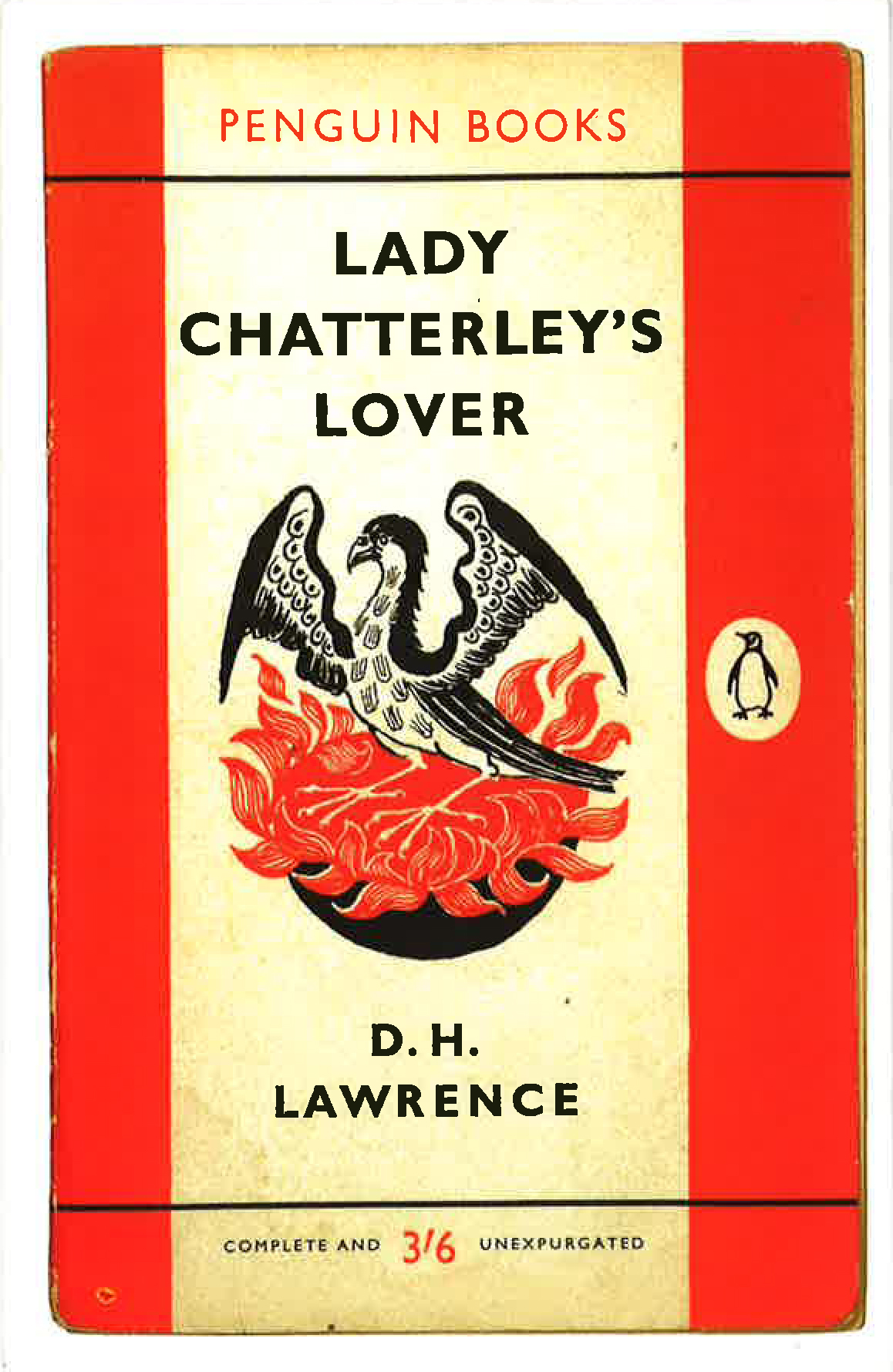 The defense was aided in part due to the previous year’s 1959 Obscene Publications Act, which Parliament passed saying that in order for censorship to take place, the work in question would need to be considered as a whole – without singular focus on the dirtier bits. The prosecution did not fare well anyway, as, despite a conservative following not wishing to see the book in print and in the hands of anyone, lawyer Mervyn Griffith-Jones called no witnesses to support his argument (as no one agreed to stand for the prosecution) and merely suggested that the book had no literary merit. The defense, led by Gerald Gardiner (who would a mere four years later become Labour Lord Chancellor), had rather a different angle. He stated that the book did have merit, that Lawrence wasn’t simply writing smut, but attacking the “impersonality of the industrial age and loss of personal relationships… he was extolling the life-giving importance of romantic and sexual intimacy” (The Telegraph). Gardiner called 35 witnesses to his side – big wigs in academia and literary worlds. He even had a Bishop – the Bishop of Woolwich, who wrote that, though Lawrence was not a Christian himself, he was “portraying the act of sex as something valuable and sacred – as an act of communion” – he went so far as to say that Christians could easily read this title.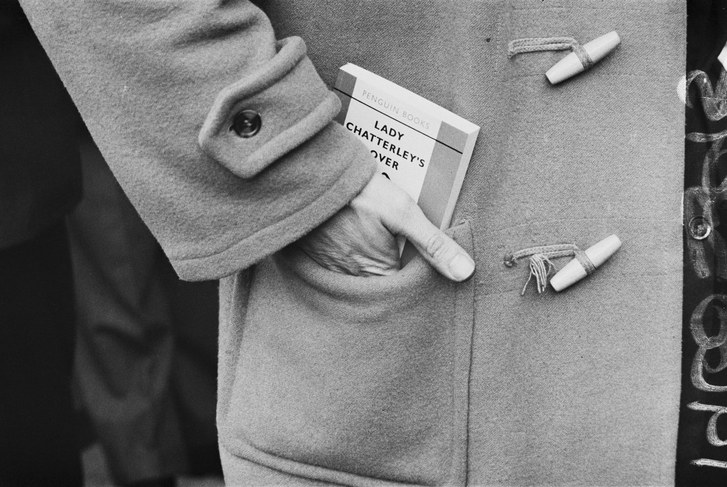
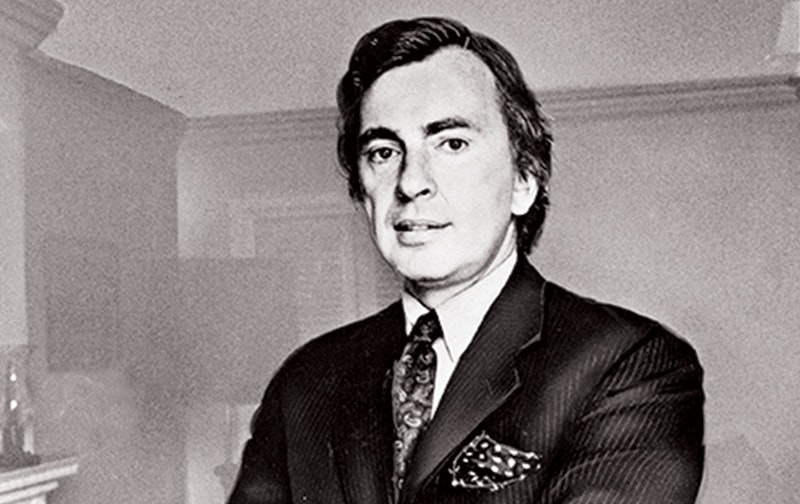
 4. We think this quote by Vidal needs no explanation (but everyone please remember that this is Vidal’s quote – not necessarily ours): “There is only one party in the United States, the Property Party … and it has two right wings: Republican and Democrat. Republicans are a bit stupider, more rigid, more doctrinaire in their laissez-faire capitalism than the Democrats, who are cuter, prettier, a bit more corrupt – until recently … and more willing than the Republicans to make small adjustments when the poor, the black, the anti-imperialists get out of hand. But, essentially, there is no difference between the two parties.” Ouch!

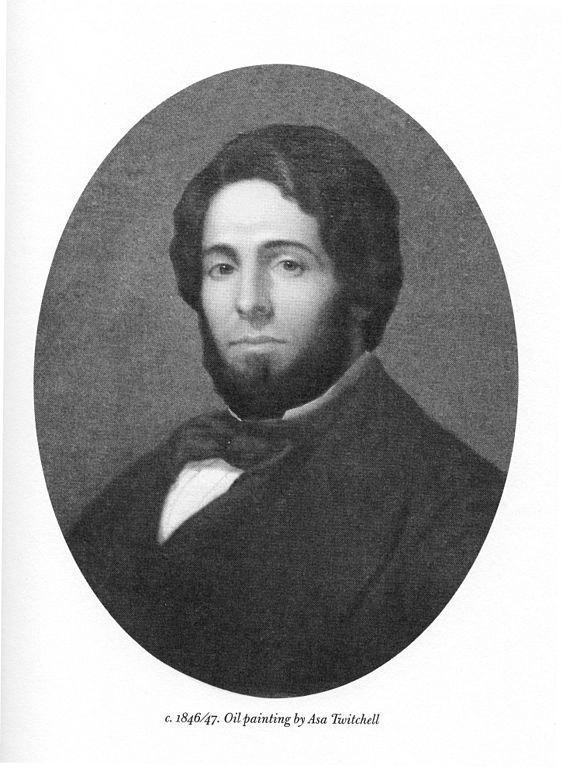 Herman Melvill (yes, that spelling is correct) was born in August of 1819 in New York City. He was the third of eight children born to a merchant and his wife. Though his parents have been described as loving and devoted, his father Allan’s money woes left much to be desired. Allan borrowed and spent well beyond his means, and after contracting what researchers imagine as pneumonia on a trip back to Albany from New York City, he abruptly passed away when Herman was merely 13 years old. Herman’s schooling ended as abruptly as his father’s life, and he was given a job as a clerk in the fur trade (his father’s business) by his uncle. Sometime around this time, Herman’s mother changed the spelling of their last name by adding an “e” to the end. History is still unsure as to why she would have done this – to sound more sophisticated, to hide from debt collectors… we may never know! But that simple “e” will live on forever, that is for sure.
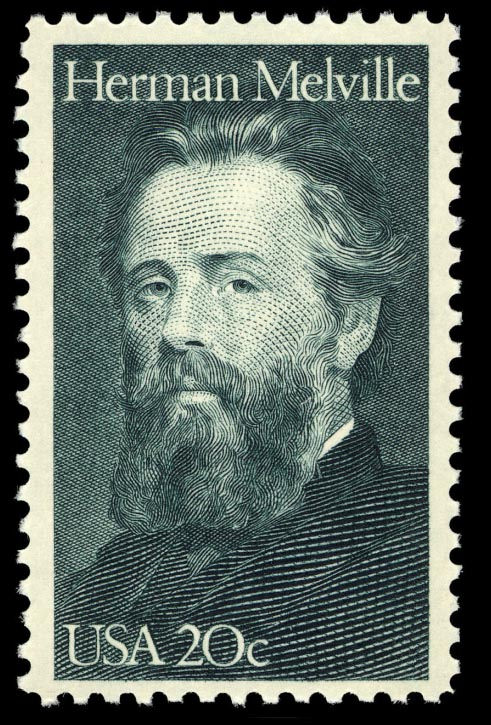 In May of 1831 Melville signed up as a “boy” (a newbie, for all intents and purposes) on a merchant ship called the St. Lawrence, and went from New York to Liverpool and back. That experience successful (and what with a longstanding obsession with the true story of the search for the white sperm whale called Mocha Dick), he decided to join the Acushnet for a whaling voyage in 1841. After a few months on board, Melville decided to jump ship with another deckhand in the Marquesas Islands after several reported disagreements with the captain of the ship. Expecting to come across cannibalistic natives, Melville was (unsurprisingly) pleased to find out that the natives were accommodating and friendly – a fact which he would later address in his 1845 novel Typee – semi-autobiographical in nature as it was based on his stay in the islands. Melville then experienced island and country hopping to an extreme degree, after boarding a boat from the Marquesas to Australia then continuing on whaling and merchant vessels visiting Tahiti, Oahu, Rio de Janeiro and Lima, Peru – among others. Eventually, Melville ended up back in Boston, Massachusetts.