Now that your holidays are over, it’s time to leave your dreams of sugarplums and fantasies in the past and get back to… reality. And who better to discover reality with than J.R.R. Tolkien!? After all, you know as well as we do that he detested his cult fantasy following and wished only to bring awareness to the Catholic church… right? Oh, no? Well then, allow us to enlighten you!
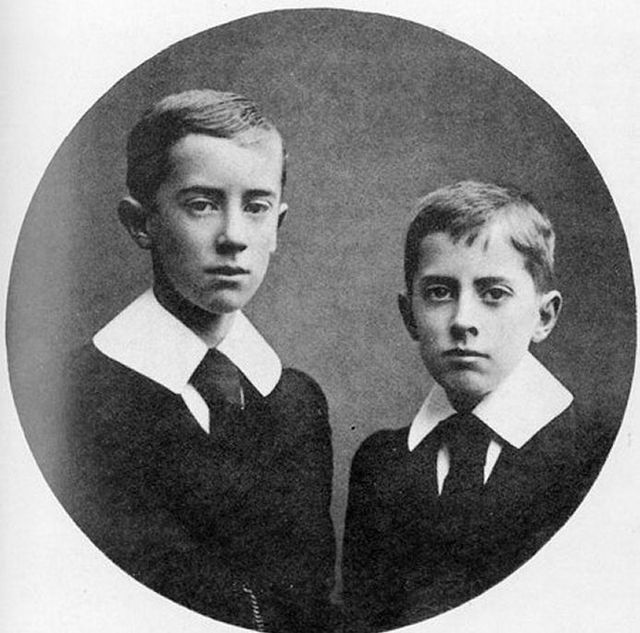 John Ronald Reuel Tolkien was born on January 3rd (yes, yes – we are one day late with this… so sue us!) 1892 in South Africa. Born to English parents, Ronald (as he was known) was followed by a brother just a couple years later. When he was only three years old, his mother took the sons on what was intended to be a long vacation in England to meet their family. While away, Ronald’s father took ill and passed away from rheumatic fever, and the Tolkien family, left without income, did not return to South Africa. His mother Mabel taught Ronald and his brother Hilary from home. Ronald showed an adept interest in languages early on, and was reading and writing around the age of four. His mother became a devout catholic in his early life, and when she passed away when Ronald was twelve years of age, he and Hilary became wards of her trusted advisor, catholic priest Father Francis. Francis would have a profound influence on Tolkien throughout his life.
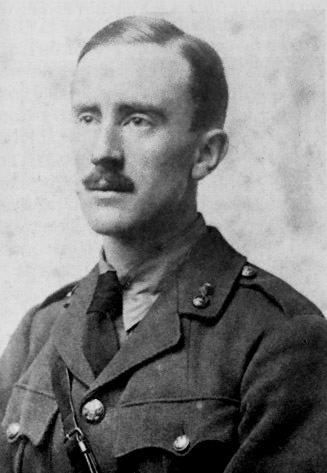 During his teenage years, Tolkien and two of his female cousins had a unique pastime… making up languages. Their languages, Animalic, Nevbosh and Naffarin varied in complexity and drew their roots from Latin, which his mother taught him as a young boy. Tolkien eventually began attending Oxford, at first studying Classics but soon realizing that his interests and talents lay in studying the English language and literature. He graduated in 1915 with first-class honors, a rarity for the year as it was looked down upon for Tolkien to have completed his studies before enlisting as a soldier in World War I.
In his early twenties, Tolkien married Edith Bratt – a “childhood” sweetheart (in quotes because they met when Tolkien was 16 years old and Bratt 19, but “teen” sweethearts just sounds ridiculous). Shortly thereafter Tolkien was deployed to France to fight in the war. However, Tolkien was to count himself lucky (if you can call it so) as he suffered from so many infections and illnesses throughout his service that he was considered unfit for service and was often between hospitals and off-the-field duties. Upon his final return to England, all but one of his friends had perished in the war.
After the war in 1920, Tolkien went to work (appropriately so) for the Oxford English Dictionary, then shortly thereafter became the youngest professor at the University of Leeds, taking up a post as Reader there. While working there, Tolkien produced his version of Sir Gawain and the Green Knight, a medieval work that his involvement on would become the academic norm for decades to come.
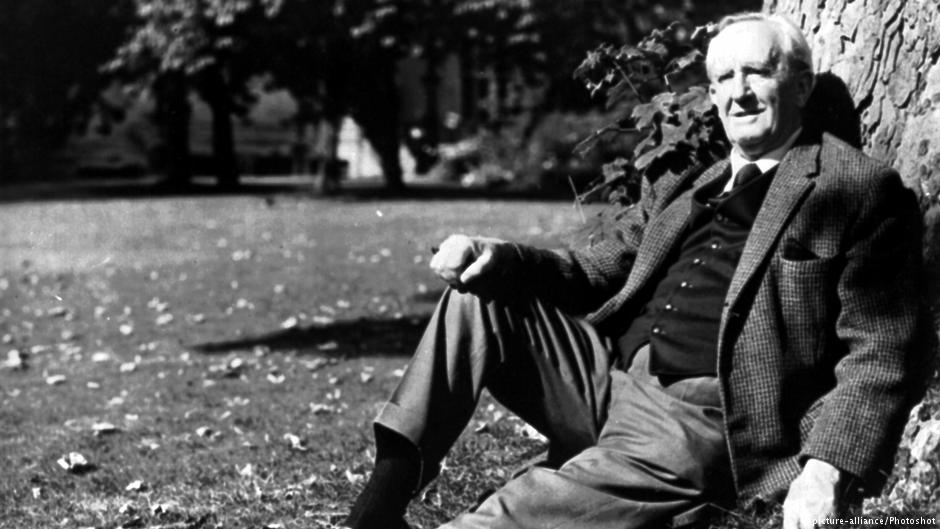
At the onset of World War II, Tolkien was approached by the British government and asked if he would consider working as a cryptographer and codebreaker in the Foreign Office, in the event of an emergency. Tolkien replied that he would be honored to do so, though it would turn out that his services would not be necessary. In 1945 Tolkien began his term as the Merton Professor of English Language and Literature at Oxford, a post he would remain at until his retirement in 1959. After retirement, Tolkien and Edith set-up house in Bournemouth, England, not only because Edith was delighted to live there, but because in the 1960s the counter-culture movement saw a rapid increase in interest in Tolkien’s fantasy work and his popularity began to be distressing, with unwanted visits and phone calls, and the rise of a cult-following. Family being the main interest of the couple, they relocated. Truthfully, I feel as though I cannot do re-working Humphry Carpenter’s statement on the Tolkien’s relationship justice, so I copy it here:
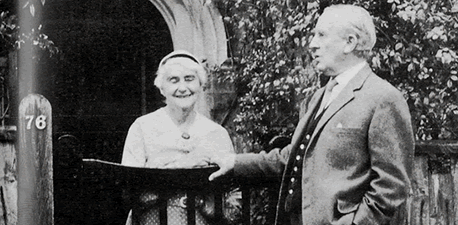 “Those friends who knew Ronald and Edith Tolkien over the years never doubted that there was deep affection between them. It was visible in the small things, the almost absurd degree in which each worried about the other’s health, and the care in which they chose and wrapped each other’s birthday presents; and in the large matters, the way in which Ronald willingly abandoned such a large part of his life in retirement to give Edith the last years in Bournemouth that he felt she deserved, and the degree in which she showed pride in his fame as an author. A principal source of happiness to them was their shared love of their family. This bound them together until the end of their lives, and it was perhaps the strongest force in the marriage. They delighted to discuss and mull over every detail of the lives of their children, and later their grandchildren.” Now if that doesn’t make you want to cry, then I don’t know what to tell you.
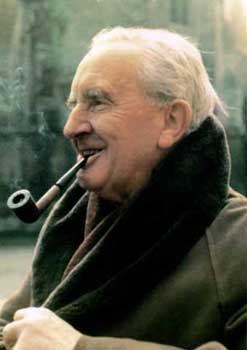 Edith passed away two years before Tolkien. While he lived those years pleasantly enough in very nice rooms provided him at Oxford and honored by the Queen in that time, Tolkien’s grandson Simon would go and visit his grandfather and Tolkien would speak of how he missed his wife and Simon would remark that he seemed “sad”. Tolkien is buried with his wife in Wolvercote Cemetery in Oxford, wanting to be buried in countryside (not in London, etc.) as he disliked industrialization and favored a quieter, country life. These facts were not what you were expecting from the man famed for creating the destructive and warring, mystical and fantasy world of Middle-Earth, now were they? In any case, Happy Birthday to J.R.R. Tolkien! Your work is still remembered and revered today.
(But sorry, there is definitely still a cult following, there is really probably no way of getting around that by now.)



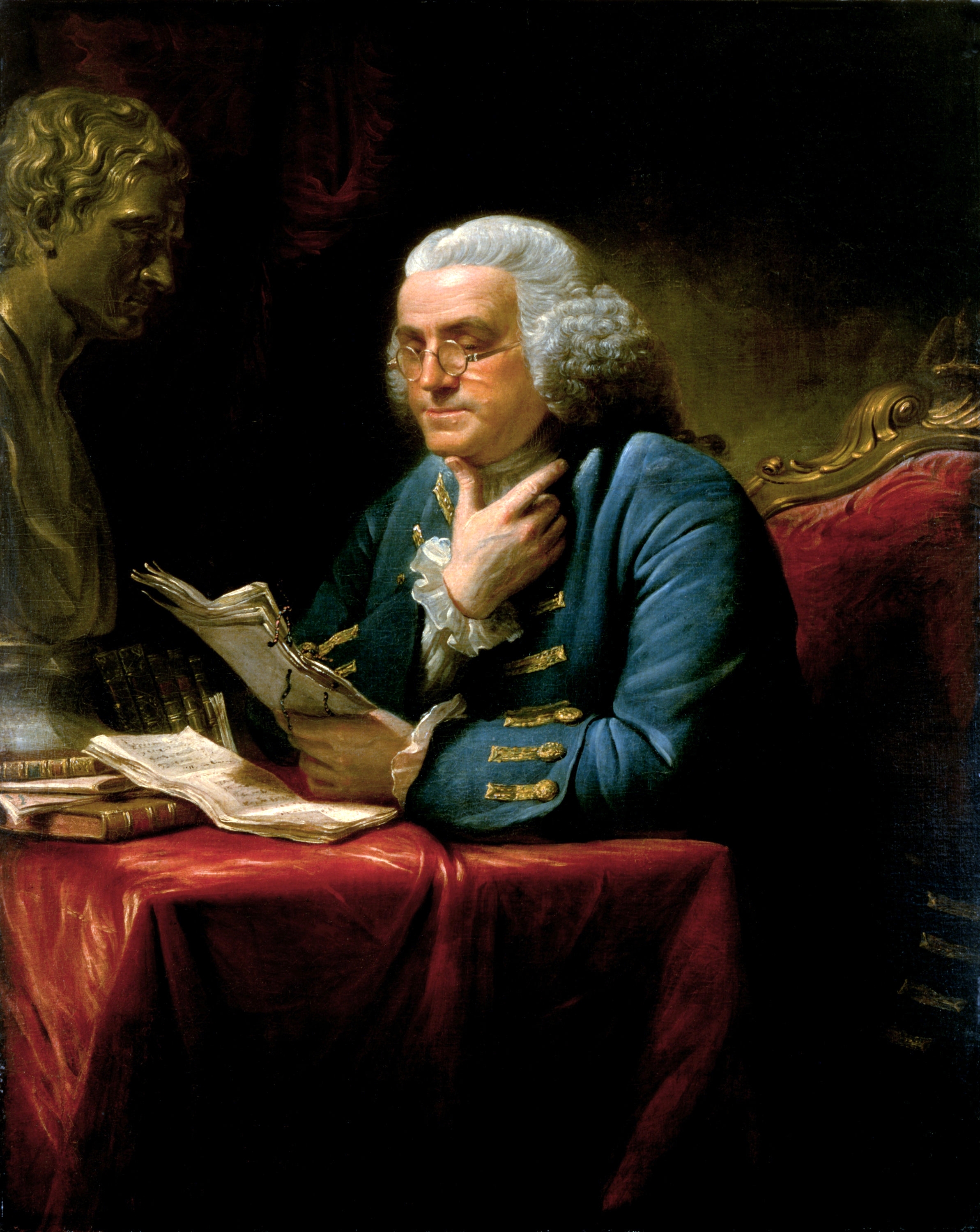
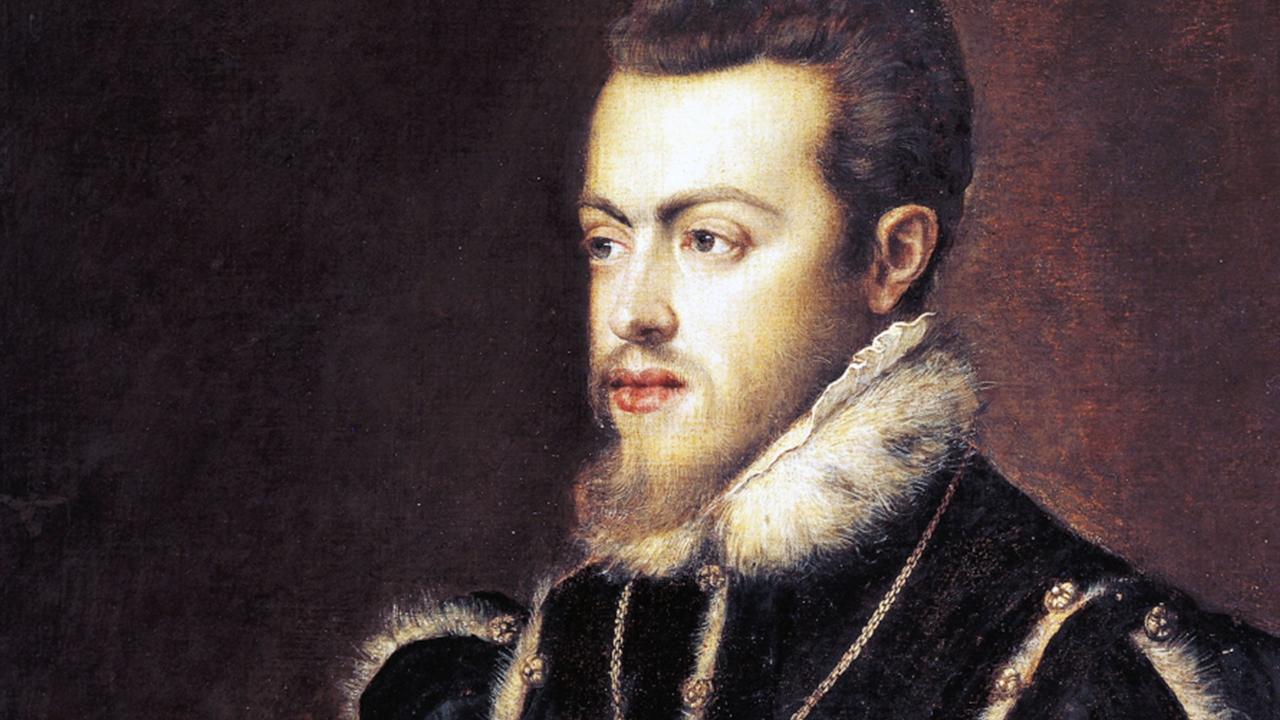
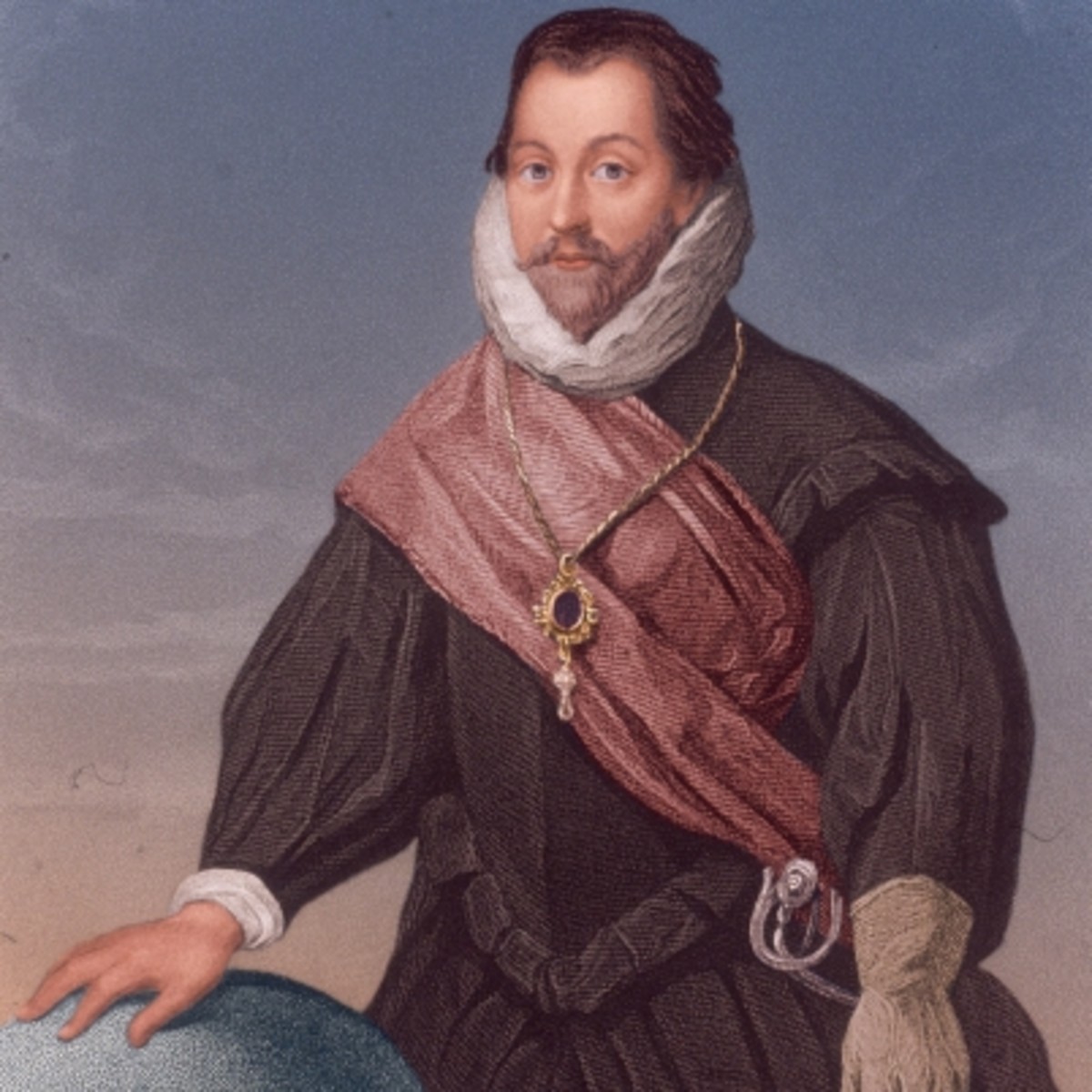 After a few adventures with his cousin, Drake spent much of the early 1570s living along the “Spanish Main” or the Panama Isthmus, attacking Spanish vessels and small settlements. During this time, fun fact, Drake climbed a tree on the Isthmus of Panama and looked out over the Pacific – being the first Englishman to ever behold the Pacific Ocean. Drake and his men eventually made it back to Plymouth, England, having captured much in Peruvian gold but having been forced to bury it along the way to avoid its recapture by the Spanish.
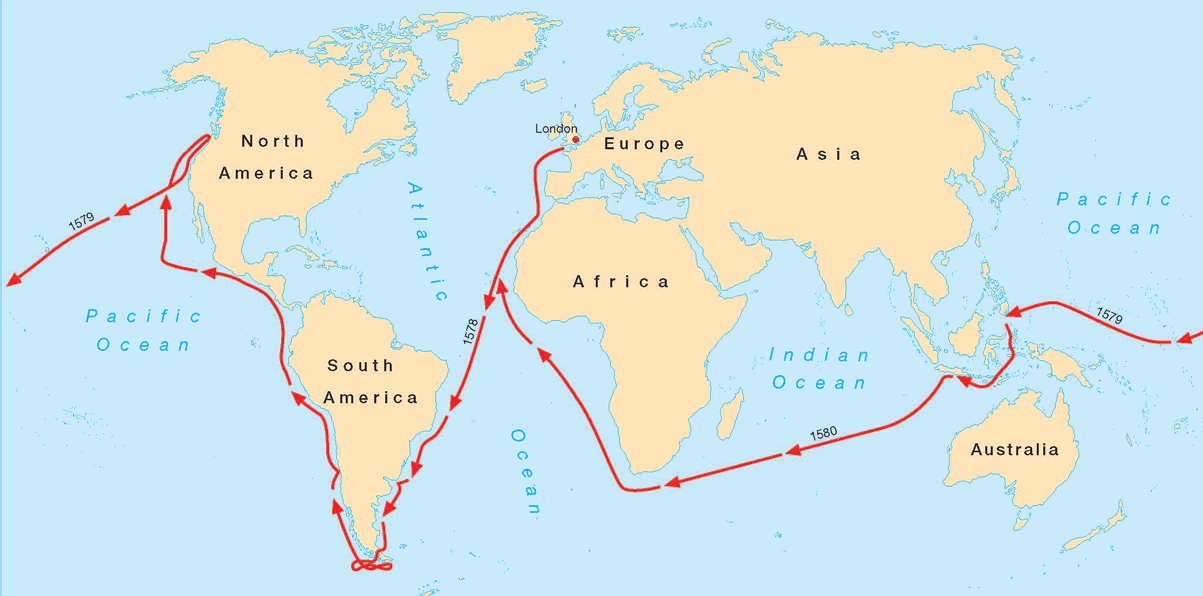 In 1577, Elizabeth I sent Drake (because of his “success” with the Isthmus raids) on an expedition to sail along the Pacific coast of the Americas. After one false start due to bad weather, the crew set final sail on the 13th of December, 1577. Drake set out with five ships (which soon became 6) and 164 men. The crew made it around Cape Horn, and went alongside the coast of South America pillaging and looting Spanish towns and ships along the way. Drake restocked and rested his ships on the Coast of California for a time, and then continued on to the Molucca islands in what is now known as Indonesia. Eventually Drake rounded the Cape of Good Hope – the southernmost tip in Africa, and made his way back to Plymouth, having circumnavigated the globe and made it around two of the most treacherous sailing spots in the world (both Capes) in just under three years.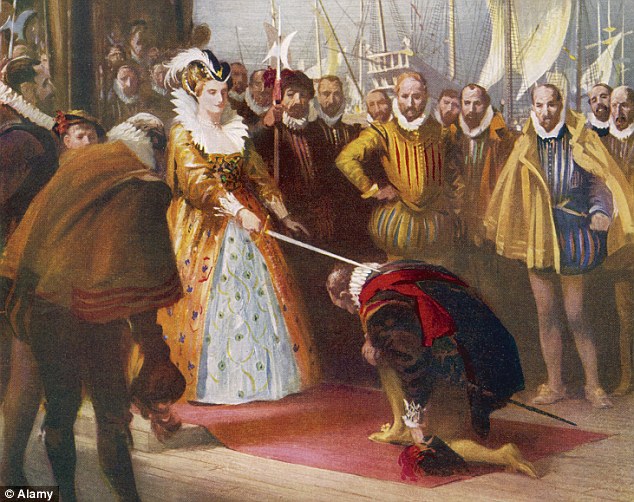

 This year the bar, being held in the same large room as the dinner, seemed to be a bit more of an intimate affair (which I rather enjoyed). The large table of donations for the Elizabeth Woodburn / ABAA Benevolent Fund raffle was overflowing – as usual with impressive selections of beverages, but with also some fun gift baskets and chocolates, 2018 SF Giants baseball tickets, etc., etc!






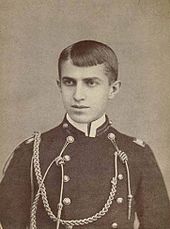 Crane was born on November 1st, 1871 in Newark, New Jersey, the 14th child (of only 8 surviving children) to a clergyman and daughter of a clergyman. Crane began writing at an early age, and when he was eight years old he wrote his first surviving poem – “I’d Rather Have A-” – a poem about wanting a dog for Christmas! One year later he began formal schooling and completed two grades within a six week period. Throughout Crane’s education he was a slightly erratic student, if intelligent and somewhat popular. This could be put down to the fact that by the time Crane was a teen, quite a few members of his family (his father and siblings) were dead – leading to a very different childhood than his classmates.
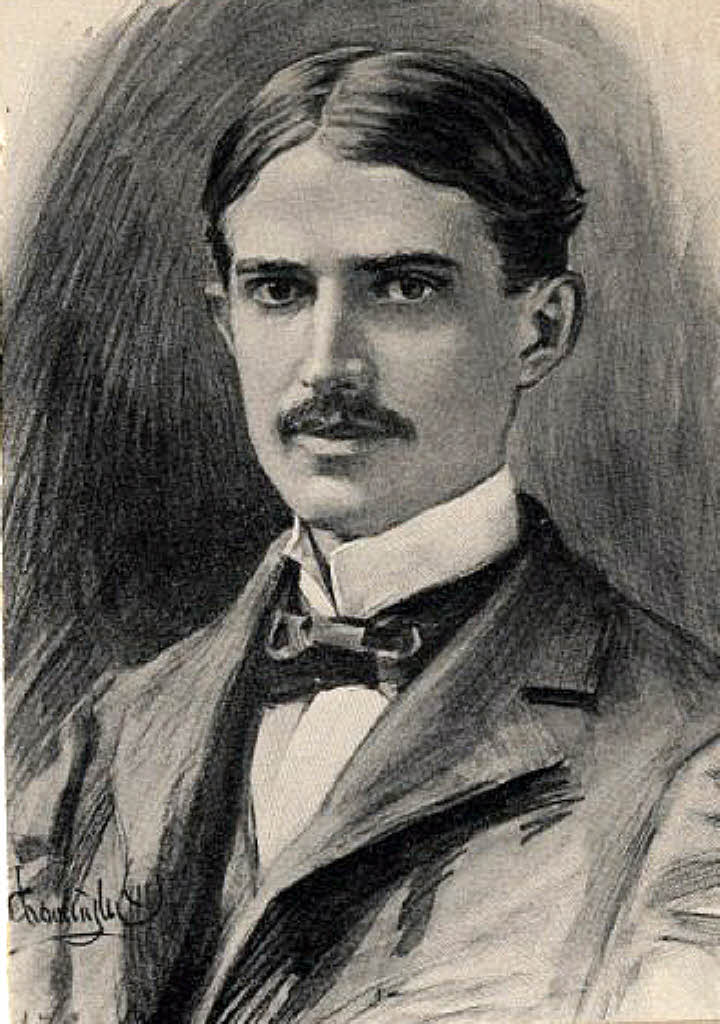 In 1893 Crane became frustrated with stories written about the Civil War, stating “I wonder that some of those fellows don’t tell how they felt in those scraps. They spout enough of what they did, but they’re as emotionless as rocks.” Crane decided to write an account of a soldier in the war, and began work on what would become The Red Badge of Courage, Crane’s most beloved work to date. His story would be different from his contemporaries – for he wanted desperately to present a “psychological portrayal of fear” by describing a young man disillusioned by the harsh truths of war. He succeeded and a year later his novel began to be published in serial form by the Bacheller-Johnson Newspaper Syndicate. It was heavily edited for publication in the serial, though it did begin to cause a stir in its readers. Crane then worked on a book of poetry, which was published to large amounts of criticism due to his use of free verse, not then a common convention. Crane was not bothered by its unpopular reception – he was instead quite pleased that the book made “some stir” and caused a reaction of any sort. In 1895 Appleton published The Red Badge of Courage, the full chapters, in book form – and Crane became a household name overnight. The book was in the “top six on various bestseller lists around the country” for months after its publication. It even became popular abroad and was widely read in Great Britain as well. Crane was only 23 years old at the start of his fame.
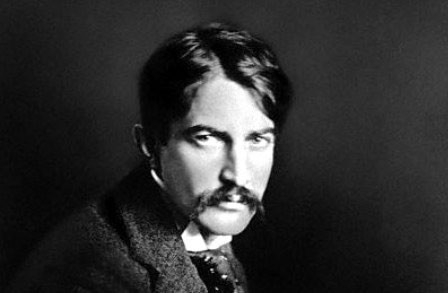 Crane became a war correspondent alongside Taylor in the Greek-Turkish War of 1897, and then the Spanish-American War in 1898.