The 2018 Tavistock Books Educational Scholarship Award Winner Ellen Saito and Bibliography instructor Joel Silver this month at RBS.
***
Welcome, Ellen! As the latest recipient of the Tavistock Books Educational Scholarship to Joel Silver’s course at RBS, what were you most excited about, in terms of RBS? The class? Meeting more like-minded people?
Thrilled to secure the Tavistock scholarship, I was elated to attend this course as my first choice by far. For months, I was in a tizzy of anticipation of this course, ESSENTIAL to everyone in the rare book world. It was most exhilarating to meet Joel Silver, prominent librarian, kind and generous teacher and master storyteller, who shared his discerning knowledge of 350+ top rare book research sources, including their free websites and affordable reprints. Develop your inner librarian; you, too, can be privy to any topic related to rare books. Your lost invitation to a secret society for smart, down-to-earth and humorous adults has been found. You are most welcome to join this warm, embracing community. Applicants are sought. Scholarships and affordable housings abound. It is a bargain. Invest in yourself!
***
What is your general impression of RBS? Did things run smoothly, were people enjoying their classes and themselves? Etc.
 RBS provides you with the ultimate learning environment. The faculty is a who’s who of rare book experts, who unselfishly divulge their secrets, meant to be shared further with others. Students are free to select their favorite course(s) only, but once you experience this wonderful place, you will want to return soon and often. There is no competition, no cramming, no grades. This is learning at its best. Hint: get to know your peers; they will be delightful and VERY helpful to you. The RBS staff made hard work look easy; everything ran without a hitch. People enjoyed their chosen course, each a shortcut to expertise garnered over a lifetime. Casual, well-attended get-togethers formed naturally during breaks; people were very happy to be there. It felt like a week-long vacation from reality.
***
***
How did you like the course? As you, but possibly not everyone, knows – Vic offers a scholarship to this amazing Bibliography class every year! We love to see booksellers taking the time and effort to cite their sources properly – one mark of great bookseller, in our opinion! How did you find it?

Joel Silver.
I learned of the RBS at the Colorado Antiquarian Book Seminar (CABS) and enjoyed the course immensely! You might expect Joel Silver, professor of librarianship, to have a vast and deep database of detailed and accurate knowledge of all things book-related in his laptop. Wrong. It is all committed to MEMORY. Well worth the time, effort and tuition, this course is an excellent introduction to the RBS: just take notes as you like, while Joel Silver instructs you and keeps you laughing with astonishing real-life stories. Explore the clear RBS website. The RBS staff is truly helpful, so call in or email any questions. The online application requires a personal statement and CV, then you write an essay for Joel Silver – that’s it. You are considered for all RBS scholarships. Outside scholarships are available.
***
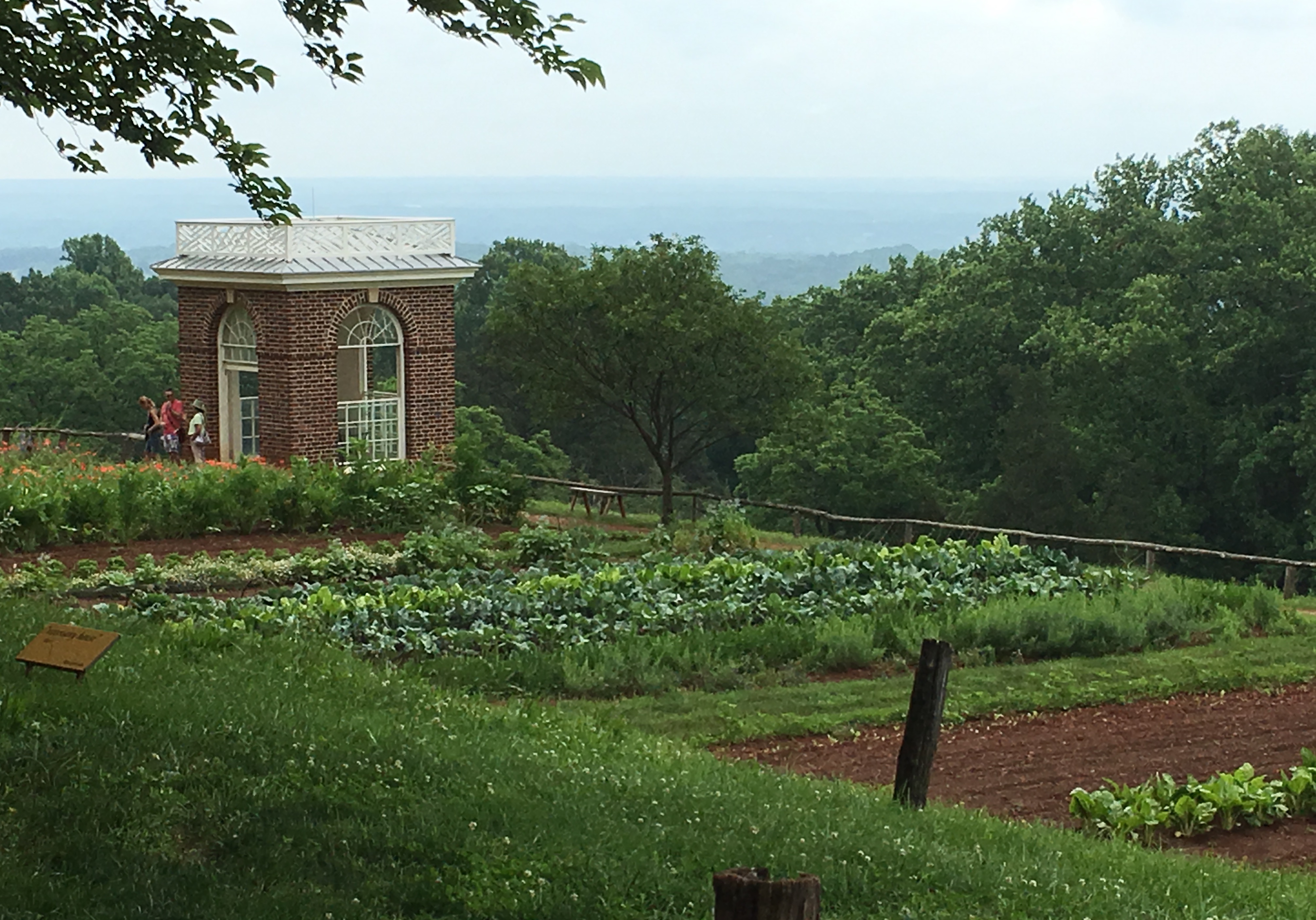
The beautiful gardens at Monticello – Thomas Jefferson’s home, just a short drive from RBS.
***
Did you hear about any courses that were of interest to you you’d like to pursue in the coming years?
I am most interested in twelve courses: Introduction to Bookbinding, Introduction to Descriptive Bibliography, Illustration to 1900, Printing to 1800, Introduction to Typography, Provenance, Forgery (detection), Collection Development, Indigenous Sovereignty, Book History 200-2000, Introduction to Illuminated Manuscripts and English Handwriting 1500-1750. I am currently doing the reading for Printed Books to 1800.
***

***
Tell us a bit about your business!
Excelsa Scripta Rare Books, where “excelsa scripta” is Latin for “sublime writing,” is an online boutique bookstore specializing in social justice as a source of inspiration, while reaching back over the centuries. Emphasis is placed on historically significant books about striving for social and economic equality in a safer, more civilized world with better protection of freedoms and rights. Subjects that are prioritized include, but are not limited to: Women’s History, Black History and topics addressing civil disobedience, disability, poverty, L.G.B.T.Q., Native Americans, racism and ethnic cleansing. First editions in original bindings prevail. Expect truth in advertising and attention to customer care. Eco-friendly packaging products make use of recycled, renewable and biodegradable materials to support sustainability.
Thank you, Ellen!
More information on the scholarship can be found here.




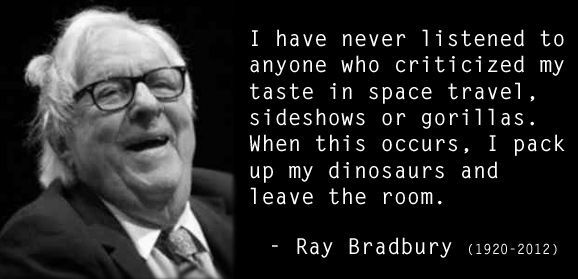
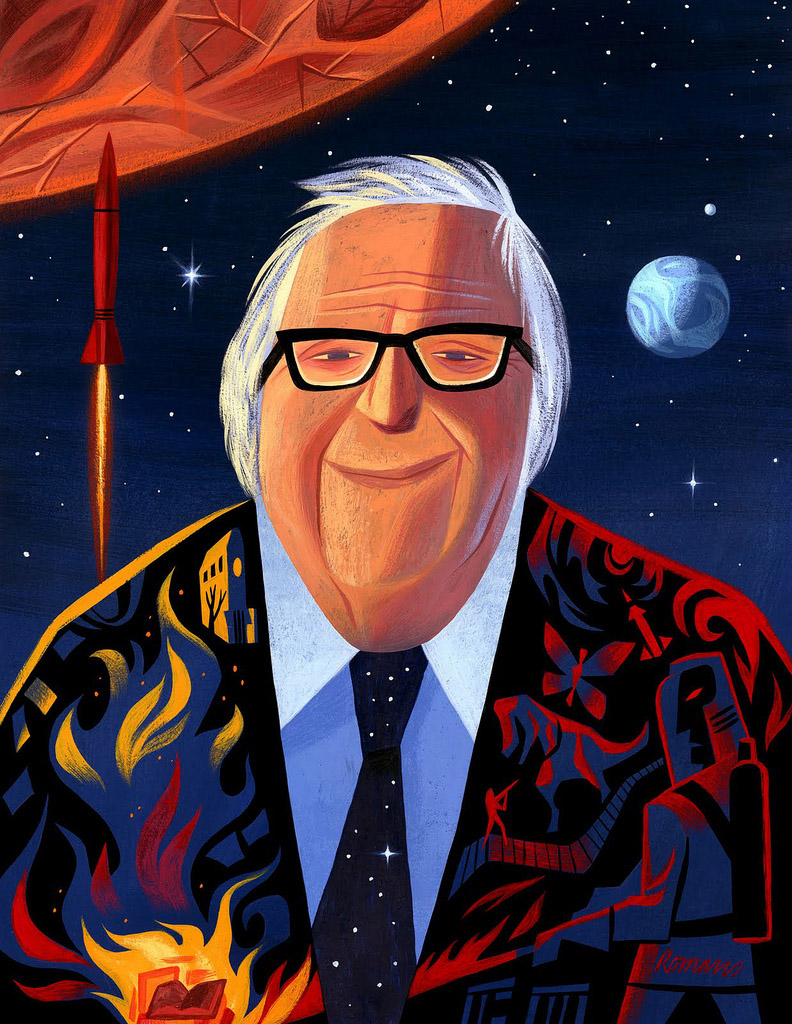 Bradbury was born on August 22nd, 1920, in rural Illinois. In 1932 at the age of twelve, Bradbury had a somewhat extraordinary experience with a traveling magician known as Mr. Electrico – who touched him on the nose and exclaimed “live forever!” – to which Bradbury took in the best way possible – his literature (which he began writing only days after this experience) will live forever. A couple short years later, the Bradbury family relocated to Los Angeles, where he was able to join the Los Angeles Science Fiction league as a teenager, and counted authors such as Robert Heinlein and Henry Kuttner among his mentors.
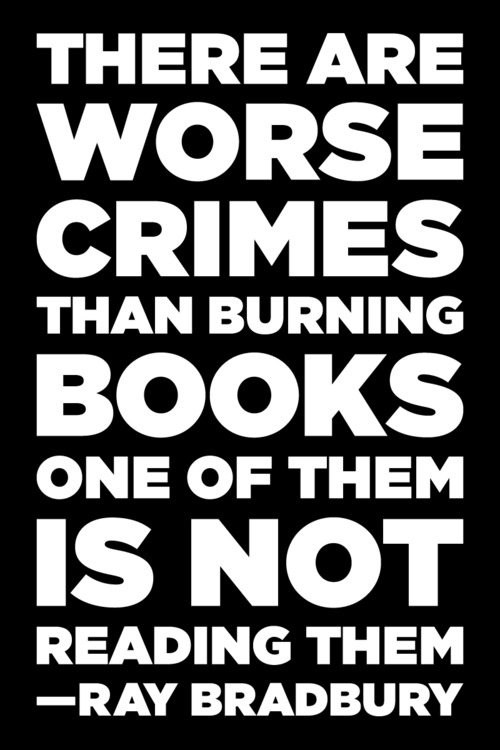 At the age of 19 his literary career began getting even more serious – and he honed with fantastical science fiction writing style by publishing his own fanzine, called Futuria Fantasia, and traveling to the first World Science Fiction convention, held in 1939 in New York City. His short stories began to be published in Science Fiction magazines such as Weird Tales and Super Science Stories. In the 1940s, Bradbury began to be published in high-end literary and social magazines like Harper’s, the American Mercury, Collier’s and The New Yorker – not typical for most science fiction writers. And to do it without losing sight of your style and genre – almost unheard of! Bradbury published short stories, series’, and novels over the coming years. In 1953 his novel Fahrenheit 451 hit the shelves – and is now regarded as one of his greatest works. It follows a futuristic world where censorship is in full force and follows the seduction of one firefighter through the world of literature. Fahrenheit 451 was closely followed by his collection The Golden Apples of the Sun, where the story inspiration for 20,000 Leagues Under the Sea was found. He followed up his works with more and more short stories, and more novels, until his later life, when he elected to turn more often towards poetry, drama and mysteries – including adapting his stories for the big screen. Despite being considered a primarily science fiction writer, Bradbury often considered his works more in the fantasy, horror and mystery genres – that he did not stay true to science fiction themes, with the exception of his novel Fahrenheit 451.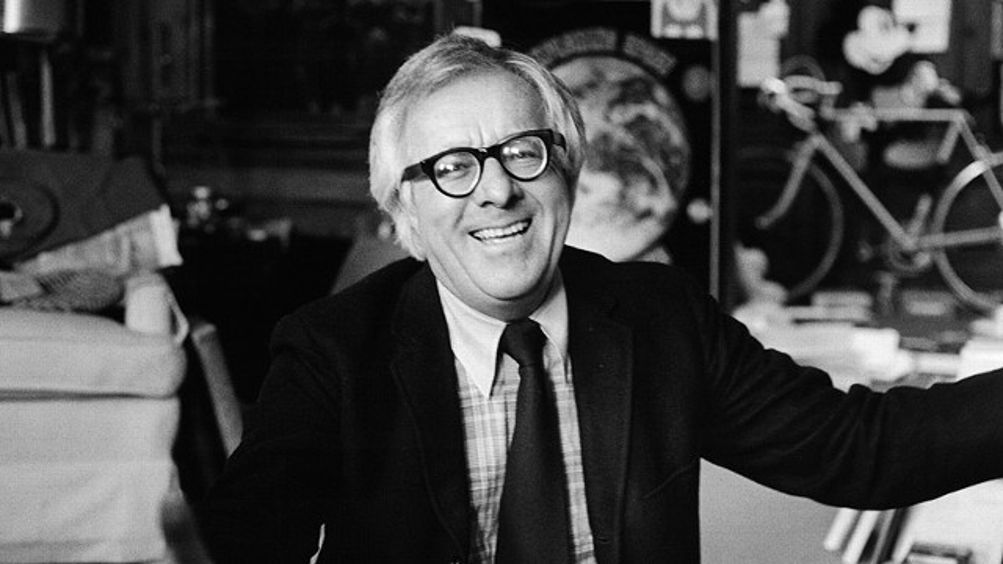
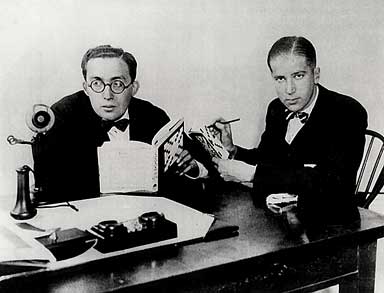

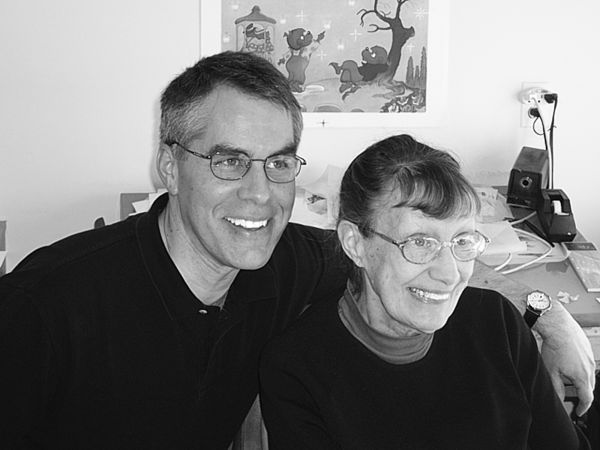
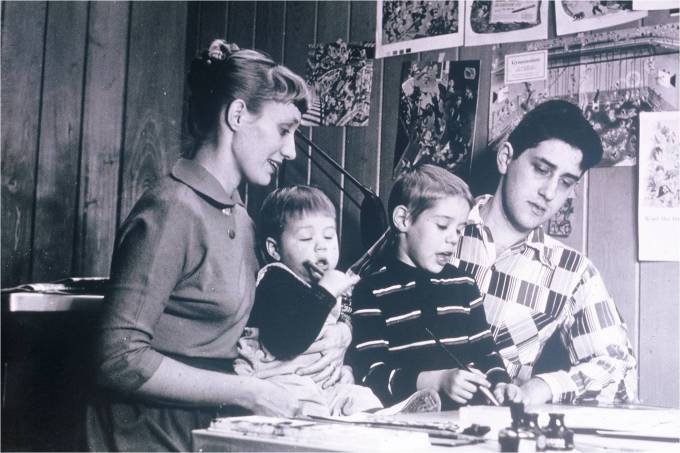
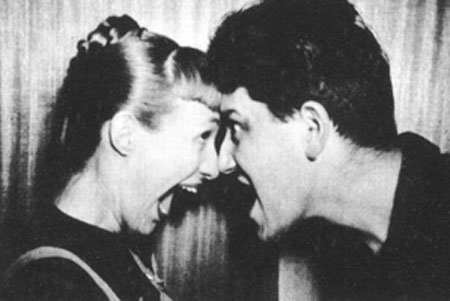 In 1941, Janice Grant and Stanley Berenstain met on their first day at the Philadelphia Museum School of Industrial Art and became close very quickly. At the onset of World War II, they took up different war effort posts (as a medical illustrator and riveter), but were eventually reunited and married in 1946. They found work as art teachers, then eventually became co-illustrators, publishing works like the Berenstain’s Baby Book in 1951 followed by many more (including, but not limited to Marital Blitz, How To Teach Your Children About Sex Without Making A Complete Fool of Yourself and Have A Baby, My Wife Just Had A Cigar). In the early 1960s the Berentain’s first “Berenstain Bears” book made it to a very important colleague and publisher – Theodore Geisel – or, as some of you may remember from our somewhat recent blog, Dr. Seuss!
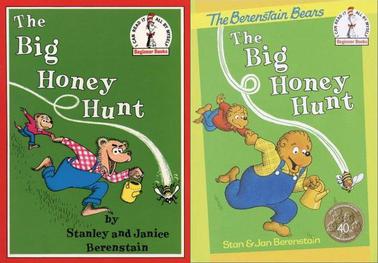 Geisel traded ideas with the Berenstains for over a year – until he finally felt like they had a marketable product for the American public. In 1962, The Big Honey Hunt hit shelves across the USA. The Berenstains were working on their next book – featuring penguins – when Geisel got in touch to say another bear book was needed by demand, as The Big Honey Hunt was selling so undeniably well. Two years later The Bike Lesson came out… which began a waterfall of publications… at least one a year since then, but typically more than a few. A record 25 Berenstain Bears books were published in 1993 alone! Six titles have already been published in 2018. The immediate success of the Berenstain Bears lead to a situation not unlike the popular Hardy Boys series or Nancy Drew’s popularity – only for a younger age range and with a somewhat different tone. Not to mention all written and illustrated by the same authors, at least until Mike Berenstain took over the franchise in 2002. Jan and Stan were quite a busy pair for a number of years!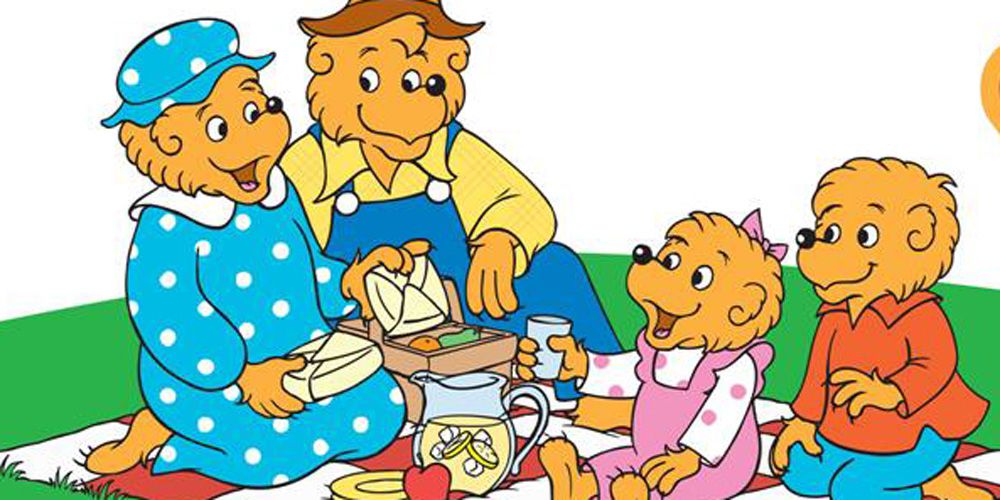
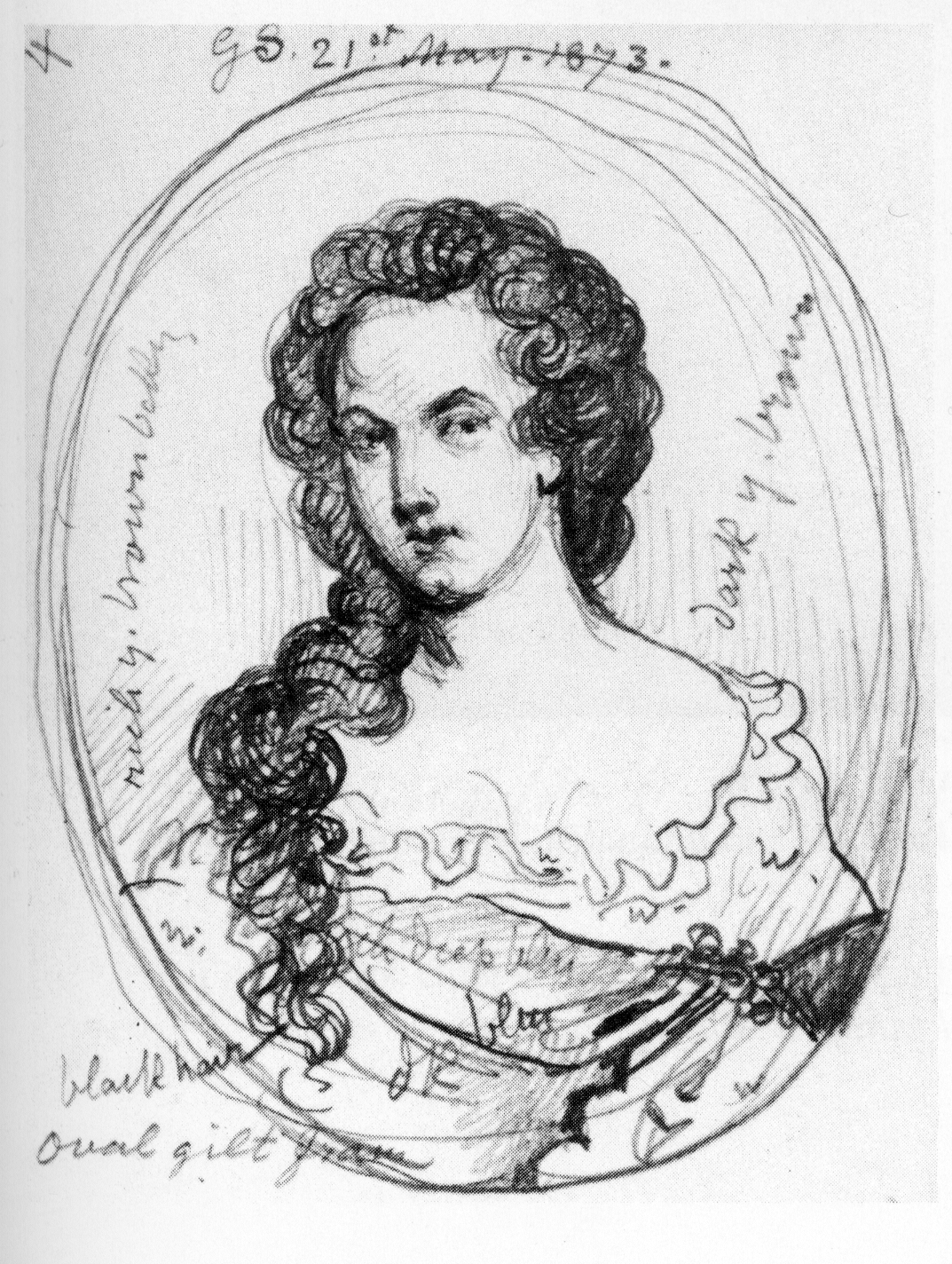
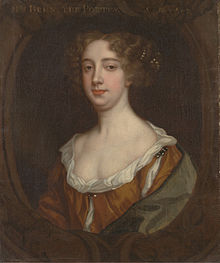 As a stout Stuart supporter, Behn became attached to the royal court after King Charles II came back into power in 1660. Now we get into the exciting (and more traceable) details of this woman’s life – in 1666 her connections to the crown landed her a job as a spy during the Second Anglo-Dutch War and she arrived in the Netherlands in July of that year. However, her time there did not pan out as planned, as Charles II was extremely neglectful of payments – and Behn was forced to return to England after having to pawn some of her jewelry in order to live abroad. After her return to England, she began working as a playwright (though reportedly had written poetry prior to this job) for the King’s and Duke’s Companies in London. Her work as a scribe was popular, and her plays began to be seen on the stage in 1670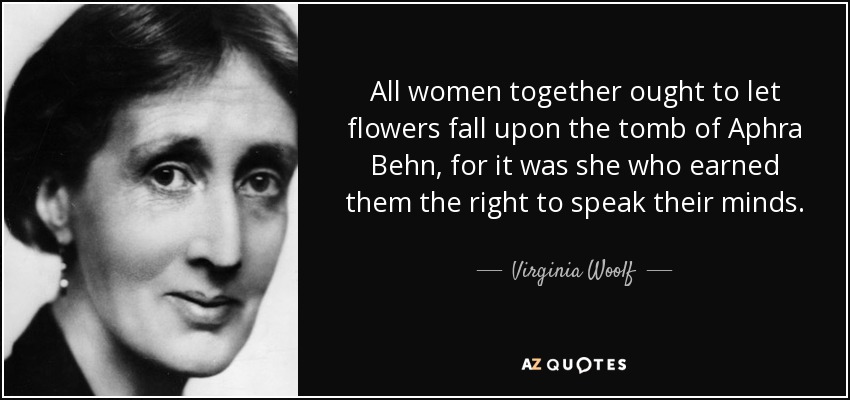
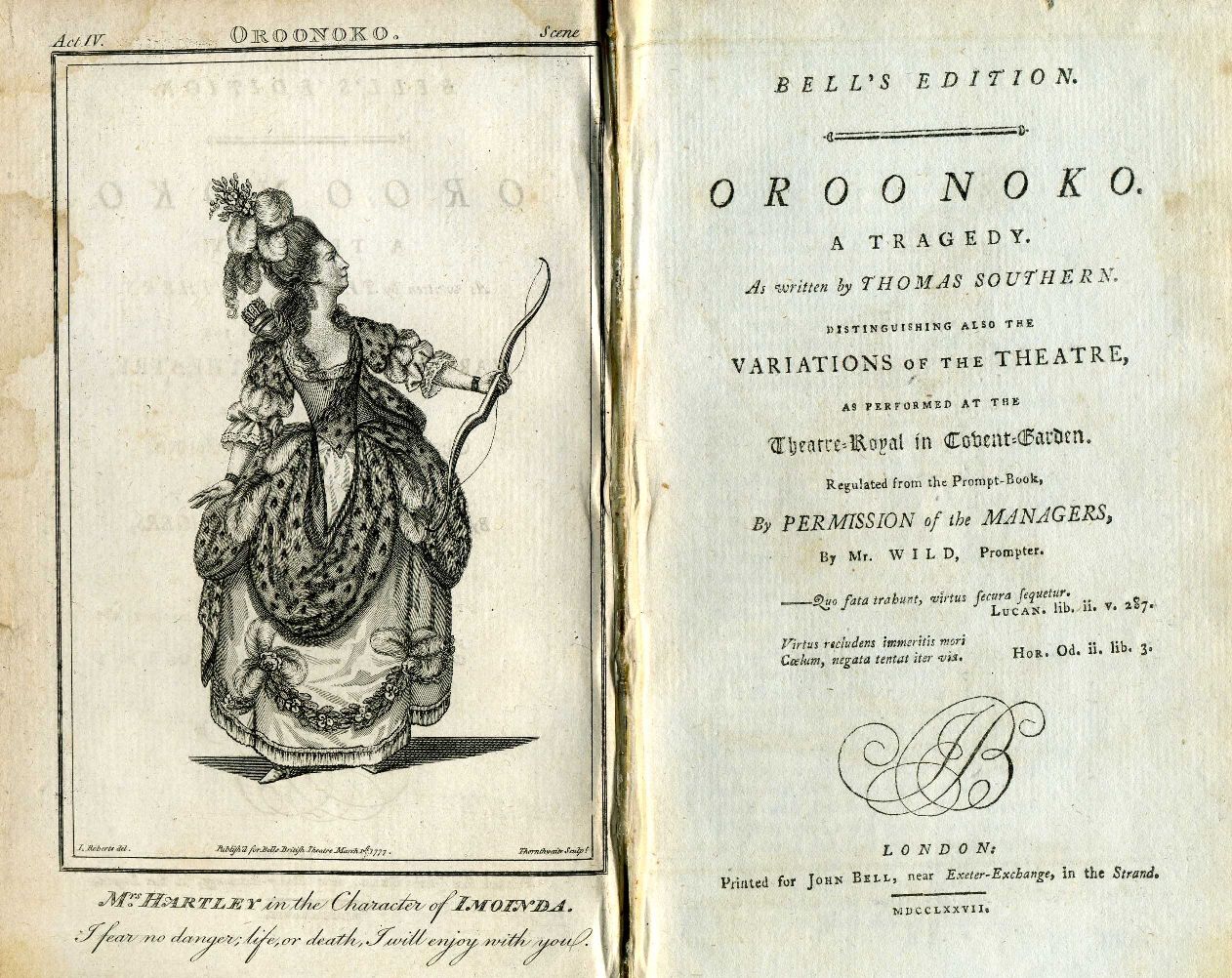 Publishing her famous novel Oroonoko just a year before her death in 1688, Behn truly wrote until her health completely deteriorated. Though she died at age 48 in relative poverty, Behn was buried in Westminster Abbey under her tombstone which reads, “Here lies a Proof that Wit can never be Defence enough against Mortality.” (Hilarious even in death…) Happy Birthday to this early feminist!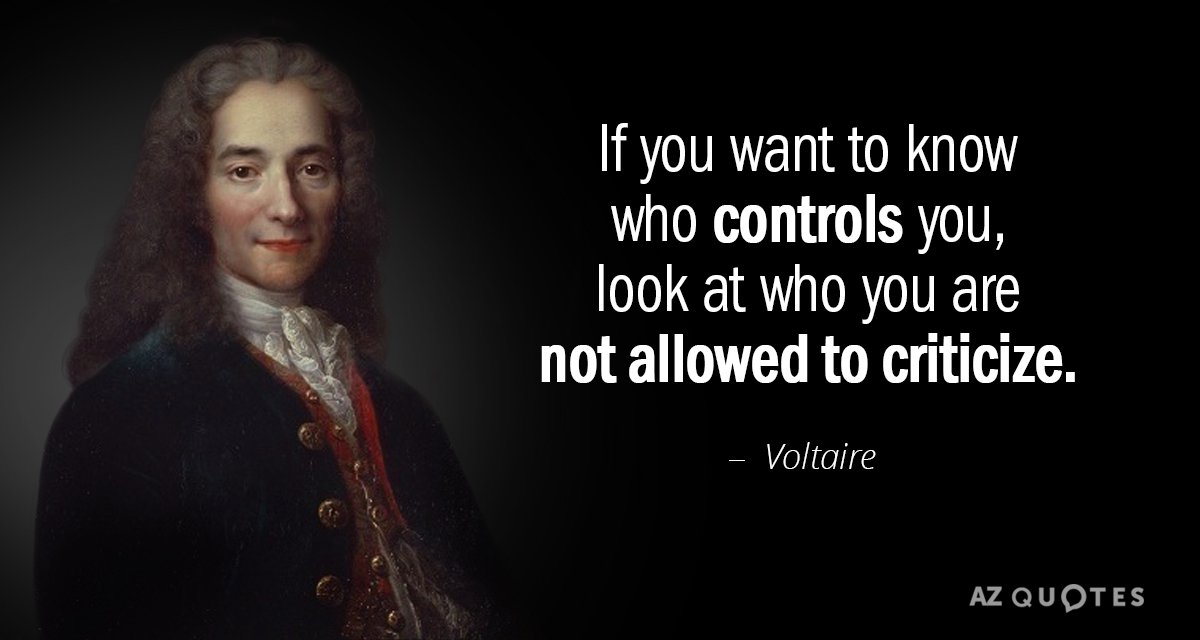
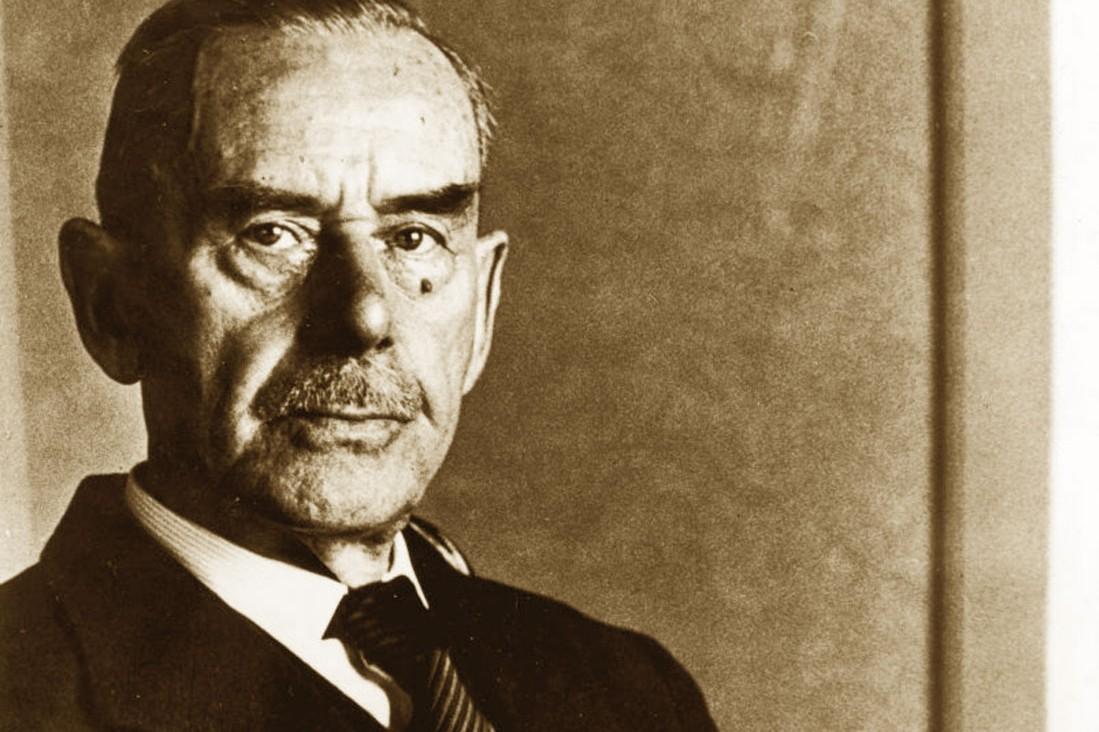


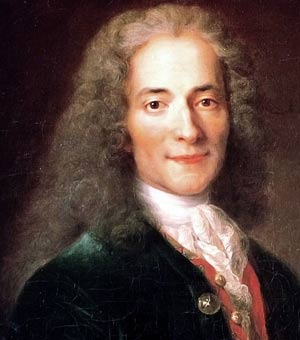 Now, Voltaire’s early life does not necessarily reflect my friends insistence that Voltaire “always got away with it.” As a matter of fact… he totally didn’t. Voltaire spent almost a year imprisoned in the Bastille for accusing a member of the royal family of incest with his daughter in a satirical poem (I mean… what exactly did he expect?). Seven months after his release in 1718, however, his play Oedipus debuted at the Comédie-Française in Paris a spectacular success. Not only did it land Voltaire on the literary map (for something other than scandal), but it also marked the first time he used his pen name – Voltaire, an anagram of the Latin spelling of his surname, AROVET LI (though there are several schools of thought for how Voltaire settled on “Voltaire”). Despite the importance of this name today, what is not necessarily commonly known is that throughout his lifetime Voltaire wrote under 178 different pen names.
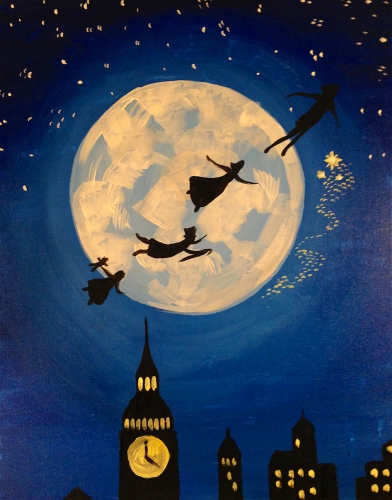
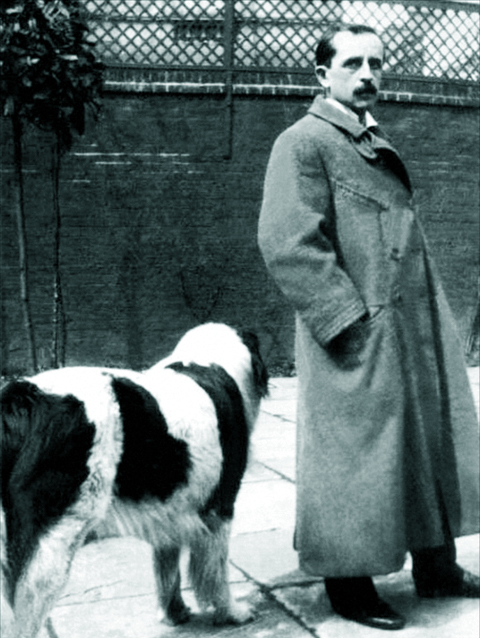 Barrie wrote several successful plays (and a couple flukes), but his third script brought him into contact with a young actress of the day – Mary Ansell – who would later, in 1894, become Barrie’s wife. For their union Barrie gifted Mary a St. Bernard puppy – who would become the inspiration for “Nana” in later years. They settled in London but kept a country home in Farnham, Surrey. In 1897 Barrie became acquainted with a nearby family – the Llewelyn Davies family.
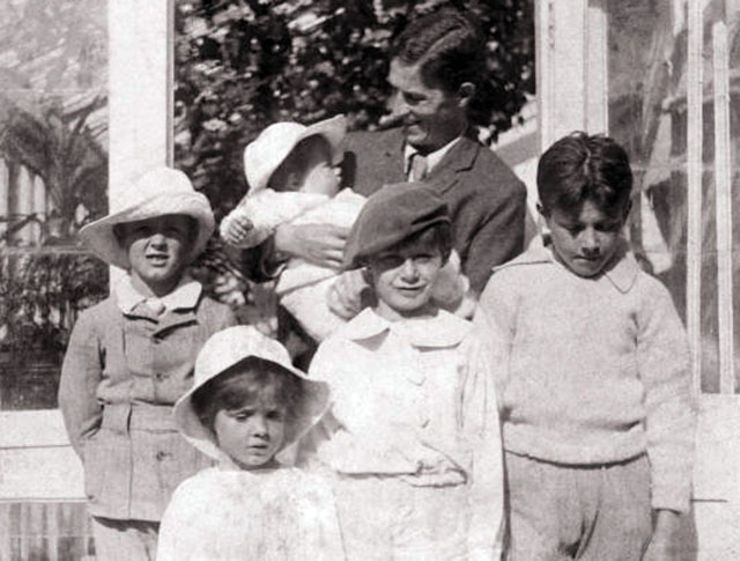 Inspired largely by the stories he told to the Llewelyn Davies family, Barrie began to formulate a story of a boy who wouldn’t grow up, who flew around and had adventures. Not unlike Charles Dodgson’s Alice a century before, Barrie began to write his story into a play and once debuted in 1904, the play Peter Pan; or the Boy Who Wouldn’t Grow Up was an immediate success. George Bernard Shaw said of the performance, “ostensibly a holiday entertainment for children, but really a play for grown-up people” – a wonderful description of the meanings and metaphors found in Peter Pan. Though children may see the adventure story on the outside, the adults in the audience could see what was really at play (pun intended) – Barrie’s social commentary on the adult’s fear of time and growing old and losing their childish innocence and fun, to name just a few.