Happy 2019! Hope our followers had a safe and happy New Years (and more importantly made use of our Pop Up New Years Eve Sale). And now without further ado, onto a whole new year of book loving, bookselling, and book worship!

Copyright (literally meaning the right to copy) can be a slippery slope in terms of infringement. Where does one draw the line? Well, that is exactly what the last century has aimed at helping delineate. On realizing that characters, not just titles, can be taken and used for copies of original works, authors fought for characters, plots and fictional places to be copyrighted as well, to protect their interests. On January 6th, 1930, author of Winnie-the-Pooh A.A. Milne transferred exclusive merchandising and other rights of Pooh and the Thousand Acre Wood to Stephen Slesinger, who then in 1961 granted those same rights to Walt Disney Productions.
In the coming years, Slesinger would find faults with Disney and how they interpreted the somewhat vaguely worded contract, and would file lawsuits against the corporation. However, our blog is not meant to be a description of all the lawsuits between Stephen Slesinger and Walt Disney Productions. Rather, we would like to bring attention to what fiction copyright laws mean today and how infringement is decided.
In the United States, for a work to allow for copyright protection, it must meet certain regulations. It must be tangible (art, literature, etc.) and it must involve creativity – meaning that it must be an original work. The tangible aspect implies that facts and ideas are unable to be copyrighted – they must be put forth in a work of art or writing. Now, this is not quite as cut and dry as it seems. In fact, in the same year that A.A. Milne transferred rights to Mr. Slesinger, the United States held a court case deciding on the eligibility of fictional characters to be protected under copyright law – not merely as they are part of a larger work. In the case of Nichols v. Universal Pictures, two tests was developed to find whether characters were eligible for their own copyright. The first test was the well-delineated test – meaning that for a character to be copyrighted it needed to have a well-rounded personality and meaning in the story – for example, as characters James Bond and Tarzan pass this test, but an un-named poor factory worker (more of a stereotype) would not. The second test requires the character to be central to the storyline, and not merely a vessel for putting the plot forward. Sam Spade of the Maltese Falcon detective novels was found not to be copyrightable, as he was looked at as a vessel for storytelling, rather than as central to the plot. In terms of plot, for a copyright lawsuit to be made against an infringement a test must be made to prove the works as “substantially similar.” as the US Legal website states, “Though there is no ready-made yardstick as to what constitutes a “substantially similar” work, the basic test to determine whether a work is “substantially similar” to another is to see whether a person looking at the two works would believe the two works to be the same. This protects the author of a literary work from another person changing a few words here or there in a work and claiming it to be his own.” Amen to that – though unfortunately perhaps a bit vague.
 In the basest terms, these days it is behooves an author to copyright their work. It cuts down significantly on time and expenses should there ever be an infringement on their creativity, and also “U.S. copyright law gives persons who register their works the option of recovering statutory damages for infringements which occur after the registration of the work, and not just the actual damages the copyright owner can prove he has suffered. Statutory damages are damages which the court can award without regard to the amount of damages which the copyright holder has suffered, or could prove he has suffered. In addition to an award of damages, a successful copyright infringement plaintiff may also obtain an injunction against further infringement by the defendant and, in appropriate circumstances, obtain the destruction of infringing copies of the copyrighted work.” As you can see, should you be worried about your characters or plot, it does make sense to register the work with the US Copyright Office.
There are so many aspects to copyright law – and these are just a few in terms of fictional character and plot! If you would like to read more about the history of copyright law, etc., we suggest checking out Copyright.USlegal and this timeline of the history of copyright in the US. To read more on the legal battles between Slesinger and Walt Disney Productions, read this article here.


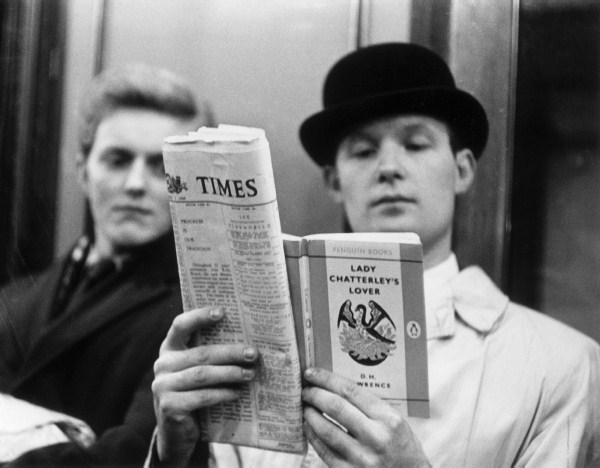
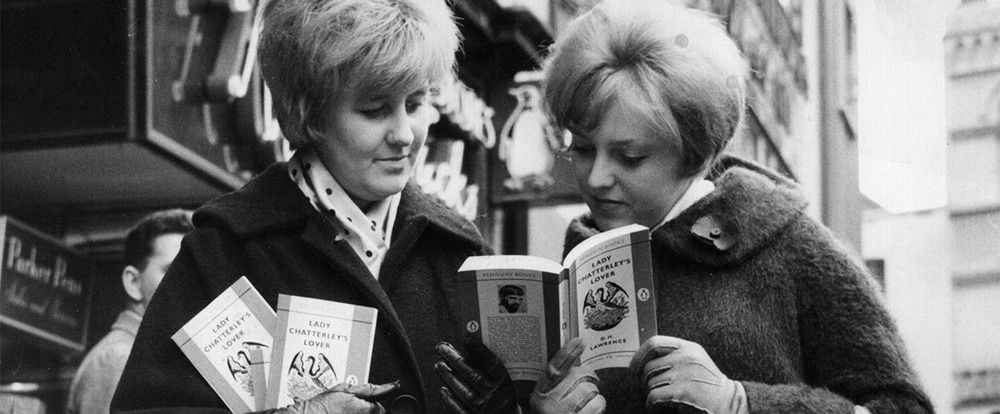
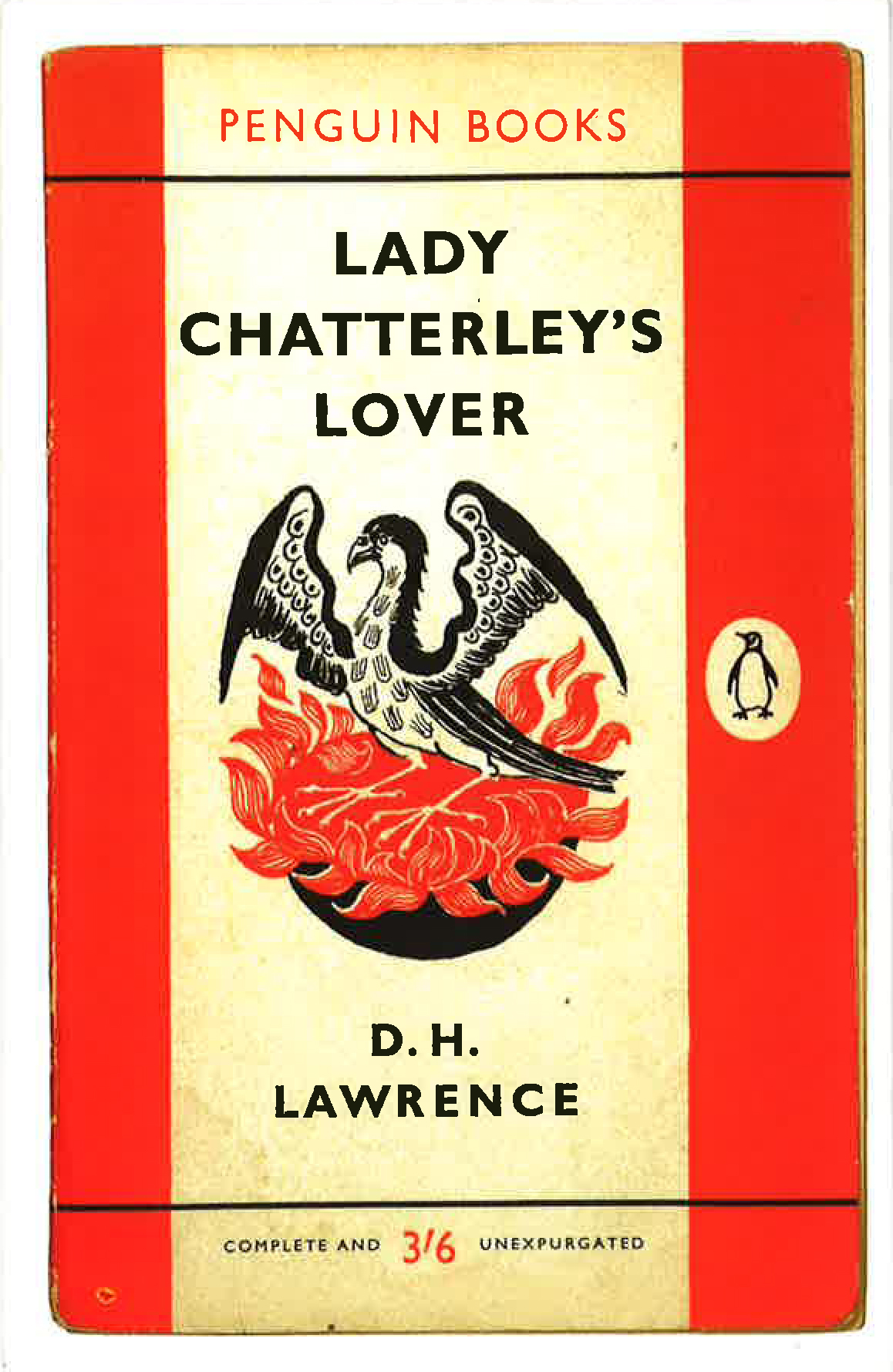 The defense was aided in part due to the previous year’s 1959 Obscene Publications Act, which Parliament passed saying that in order for censorship to take place, the work in question would need to be considered as a whole – without singular focus on the dirtier bits. The prosecution did not fare well anyway, as, despite a conservative following not wishing to see the book in print and in the hands of anyone, lawyer Mervyn Griffith-Jones called no witnesses to support his argument (as no one agreed to stand for the prosecution) and merely suggested that the book had no literary merit. The defense, led by Gerald Gardiner (who would a mere four years later become Labour Lord Chancellor), had rather a different angle. He stated that the book did have merit, that Lawrence wasn’t simply writing smut, but attacking the “impersonality of the industrial age and loss of personal relationships… he was extolling the life-giving importance of romantic and sexual intimacy” (The Telegraph). Gardiner called 35 witnesses to his side – big wigs in academia and literary worlds. He even had a Bishop – the Bishop of Woolwich, who wrote that, though Lawrence was not a Christian himself, he was “portraying the act of sex as something valuable and sacred – as an act of communion” – he went so far as to say that Christians could easily read this title.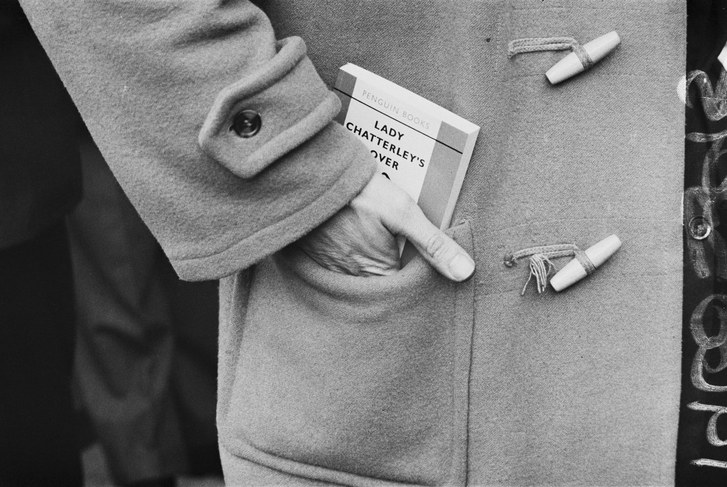
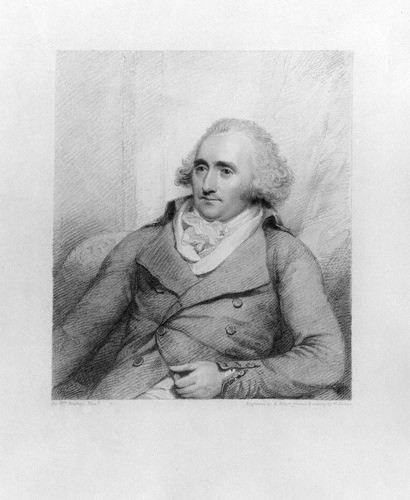
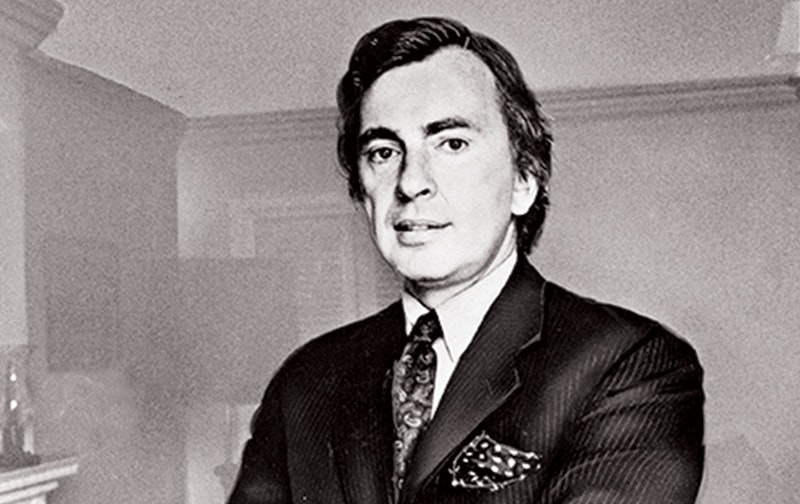
 4. We think this quote by Vidal needs no explanation (but everyone please remember that this is Vidal’s quote – not necessarily ours): “There is only one party in the United States, the Property Party … and it has two right wings: Republican and Democrat. Republicans are a bit stupider, more rigid, more doctrinaire in their laissez-faire capitalism than the Democrats, who are cuter, prettier, a bit more corrupt – until recently … and more willing than the Republicans to make small adjustments when the poor, the black, the anti-imperialists get out of hand. But, essentially, there is no difference between the two parties.” Ouch!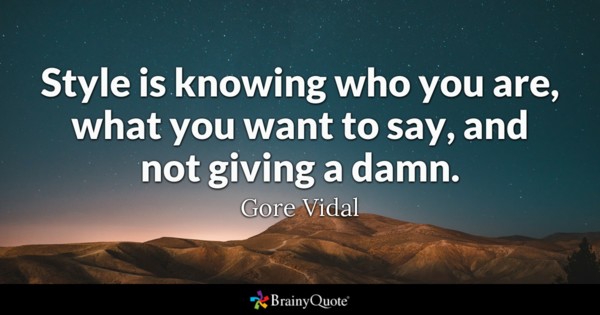
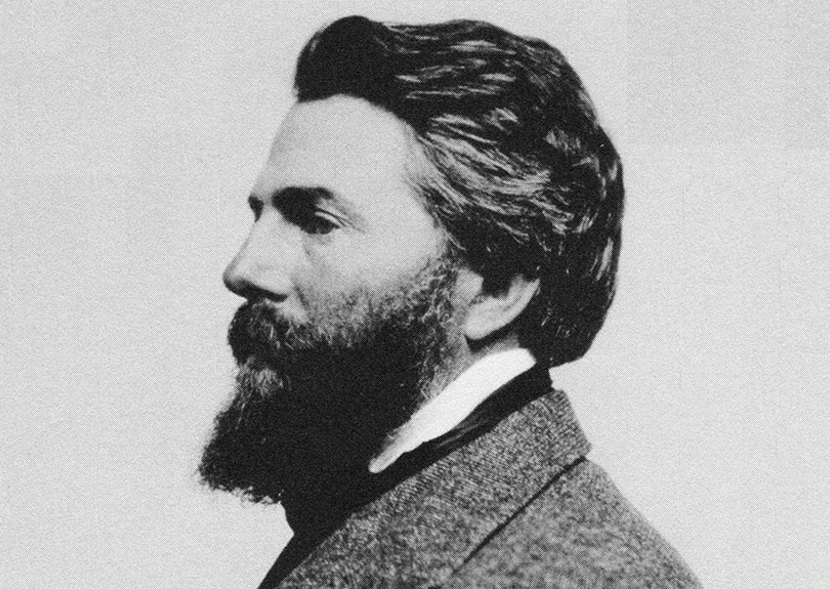
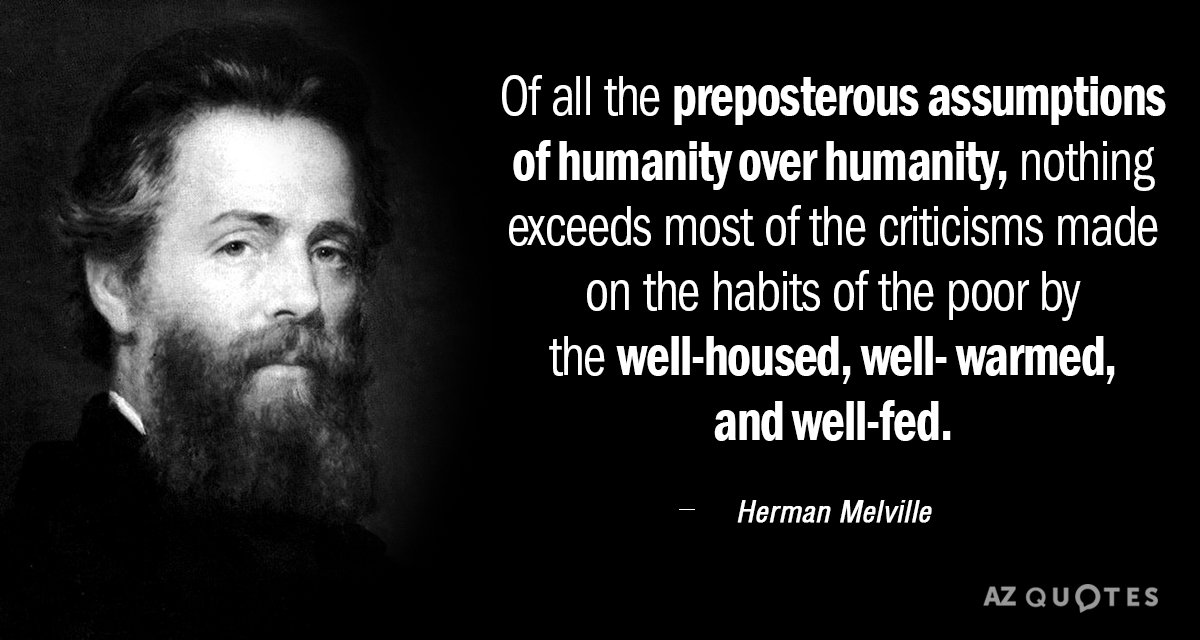
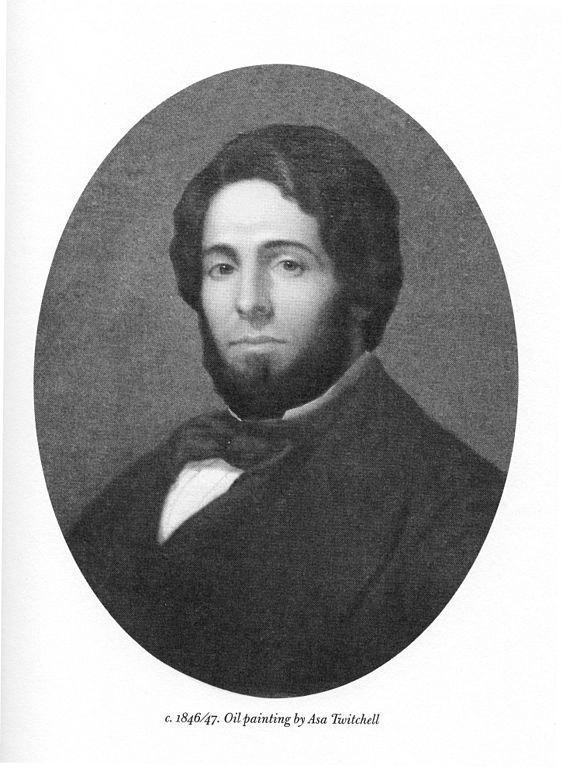 Herman Melvill (yes, that spelling is correct) was born in August of 1819 in New York City. He was the third of eight children born to a merchant and his wife. Though his parents have been described as loving and devoted, his father Allan’s money woes left much to be desired. Allan borrowed and spent well beyond his means, and after contracting what researchers imagine as pneumonia on a trip back to Albany from New York City, he abruptly passed away when Herman was merely 13 years old. Herman’s schooling ended as abruptly as his father’s life, and he was given a job as a clerk in the fur trade (his father’s business) by his uncle. Sometime around this time, Herman’s mother changed the spelling of their last name by adding an “e” to the end. History is still unsure as to why she would have done this – to sound more sophisticated, to hide from debt collectors… we may never know! But that simple “e” will live on forever, that is for sure.
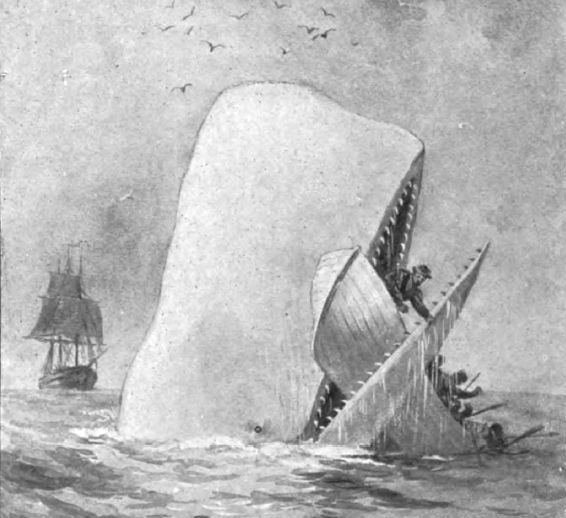
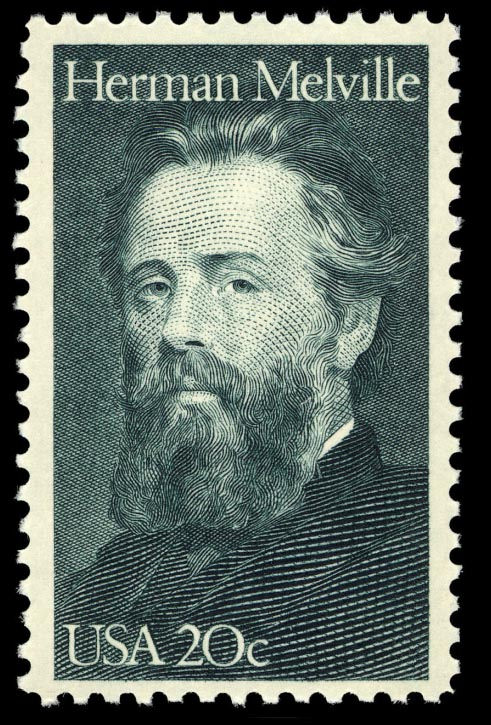 In May of 1831 Melville signed up as a “boy” (a newbie, for all intents and purposes) on a merchant ship called the St. Lawrence, and went from New York to Liverpool and back. That experience successful (and what with a longstanding obsession with the true story of the search for the white sperm whale called Mocha Dick), he decided to join the Acushnet for a whaling voyage in 1841. After a few months on board, Melville decided to jump ship with another deckhand in the Marquesas Islands after several reported disagreements with the captain of the ship. Expecting to come across cannibalistic natives, Melville was (unsurprisingly) pleased to find out that the natives were accommodating and friendly – a fact which he would later address in his 1845 novel Typee – semi-autobiographical in nature as it was based on his stay in the islands. Melville then experienced island and country hopping to an extreme degree, after boarding a boat from the Marquesas to Australia then continuing on whaling and merchant vessels visiting Tahiti, Oahu, Rio de Janeiro and Lima, Peru – among others. Eventually, Melville ended up back in Boston, Massachusetts.