By Margueritte Peterson
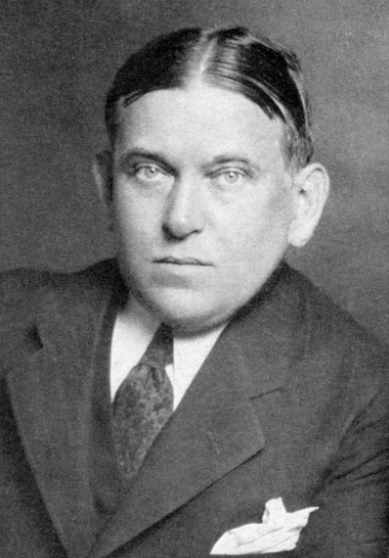
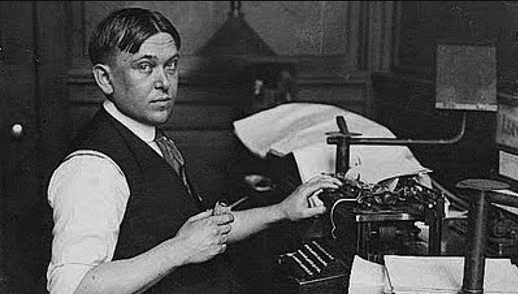
On this day in 1926, the Jazz Age was in full swing in the United States. Censorship was not an uncommon or unlawful idea at the time, and many Americans were being held to strict moral codes (like that of the prohibition) that they didn’t necessarily believe in. This was the case all over the United States (as well as elsewhere, but that’s another story for another day), but particularly so in the large East Coast City of Boston, Massachusetts, where the phrase “Banned in Boston” was applied to music, literature, motion pictures, plays among other works of art that had been deemed inappropriate or objectionable by a conservative ruling party. Also on this day in 1926, famed American journalist, critic and satirist H. L. Mencken (Henry Louis Mencken) was arrested in Boston after knowingly and purposefully selling a recently banned issue of his own magazine The American Mercury. This moment in time will forever be remembered as a startling win for those against censorship, as not only was Mencken’s case dismissed but he was later able to win a lawsuit filed against Boston’s Watch and Ward Society for illegal restraint of trade. Though at the time it seemed that his win did little to change the harsh censorship laws in Boston, it did a lot to gather attention.
Now, H. L. Mencken was no stranger to being in the public eye. In fact, he traveled to Boston with none other than the express intention of getting himself arrested for selling one of his own works. He knew that the Watch and Ward Society would make sure he would be punished for selling his issue (banned especially because of a story about a prostitute named Fanny) – and wanted both the attention and the absurdity that was censorship in Boston to be highlighted for the world to see. Not everyone in Boston agreed with the Watch and Ward Society’s harshness, as he was acquitted the very next day by a lenient judge. In fact, around this time Boston began to bite itself in the behind, so to speak, as their banned books began to unintentionally garner favor in other areas of the United States with the taboo of being salacious!
Mencken was a free spirit if there ever was one, and both the prohibition and censorship angered him greatly. He is quoted as saying in 1922, “I am, in brief, a libertarian of the most extreme variety, and know of no human right that is one-tenth as valuable as the simple right to utter what seems (at the moment) to be the truth.” He used his skills and connections in the journalism community to procure a reputation as, well, a bit of a badass!
 The story of Mencken’s arrest goes something like this – he boarded a train for Boston and once having arrived in the city organized a meeting in a public square with John Chase, the director of the Watch and Ward Society. Once Chase arrived, police in tow, Mencken offered Chase the banned issue of The American Mercury for a half-dollar coin. Chase handed the coin over, dramatically (or so we presume), and Mencken, after having bit the coin (you know, just for good measure), was placed in handcuffs and escorted from the Boston Common! After his acquittal the following day, when the judge ruled that private citizens should not be in charge of what literature ought to be banned or not, Mencken went to lunch at Harvard University, where a crowd of over a thousand happy fans greeted him with applause and gaiety.
Suffice to say, on this day in 1926 a fairly important moment in the history of censorship was going down! Though the Watch and Ward Society was not shut down and some could argue that no immediate response was garnered from the showdown between Mencken and Chase, here we are, almost 100 years later, still talking about this single incident! Perhaps it wasn’t all for nothing… let’s give H. L. Mencken some credit!







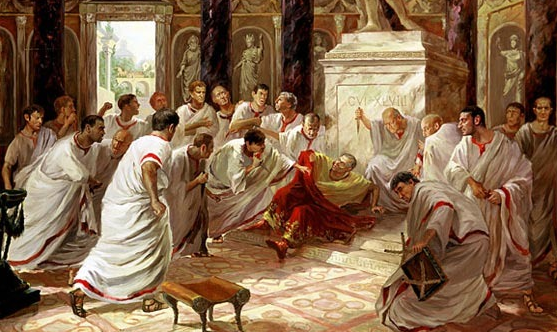 Caesar was, according to legend, warned by a seer to “Beware the Ides of March”. This was followed by Caesar throwing it gently back in the seers face while on the way to the Theatre of Pompey in 44 B.C. on March 15th, when he joked that the Ides of March had come and nothing bad had happened, and the seer replied with “Aye, Caesar; but not gone.” – meaning that the worst was yet to come. Caesar was then assassinated by almost 60 conspirators led by Brutus and Cassius at the meeting of the senate – an event which sparked civil war and led to the creation of the Roman Empire and dissolution of the Roman Republic. Shakespeare, a master of creating phrases that live on in the minds of his audience, must have known that by dramatizing such a famous occasion he would be inducing a world of fear surrounding the 15th of March! But is there any truth to the fear? Well, take a look yourself! Here are what the Smithsonian deems the top 10 events in history that took place on March 15th that coincide with the fear of the day.

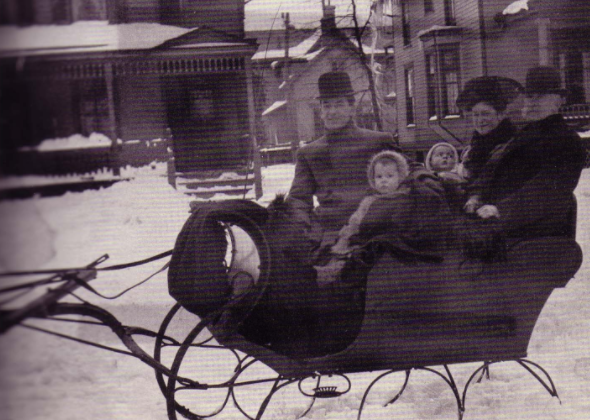
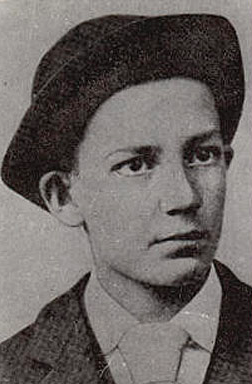 By the time Anderson was 18, his father had been drinking and disappearing for weeks at a time, leaving all the children home with their mother to fend for themselves. Having been working desperately for years as a washer, Anderson’s mother Emma died of tuberculosis in 1895 when Anderson was only 19. Having no reason to continue living in the small town of Clyde, Ohio, where the Anderson’s had eventually settled, Sherwood followed his older brother to Chicago, where the two lived in a boarding house as the brother attended the Chicago Art Institute. He continued on in Chicago, eventually renting enough space for his sister and two younger brothers to move into a couple years later. However, having signed up for the Ohio National Guard, his living in Chicago was short-lived, as he was sent to Cuba in 1898, after the fighting in the Spanish-American War had stopped, for 8 months. After his return, Anderson worked in Clyde once more for a few months as he saved money, and eventually joined two of his siblings in Springfield, Ohio, where finally, at the age of 23, Anderson enrolled in classes and was able to complete his high school education.
 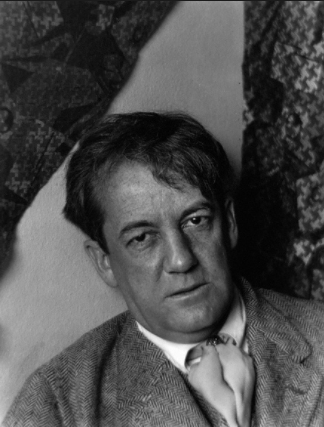 One important aspect often noted in Anderson’s life is the nervous breakdown he suffered as a result of professional stress in 1912. By this time, he had begun a new business called the Anderson Paint Company. The intensity of running his own (large) business took its toll and Anderson disappeared for four days, before walking into a drug store and asking an employee to help him figure out his own identity. To this day, it is uncertain as to whether Anderson’s breakdown was involuntary or voluntary, as his story changed over the months and years following the episode. Either way, however, it helped Anderson leave his business, his relationship, and start fresh. Anderson had begun publishing some stories in 1902, and soon writing would become his main source of income.

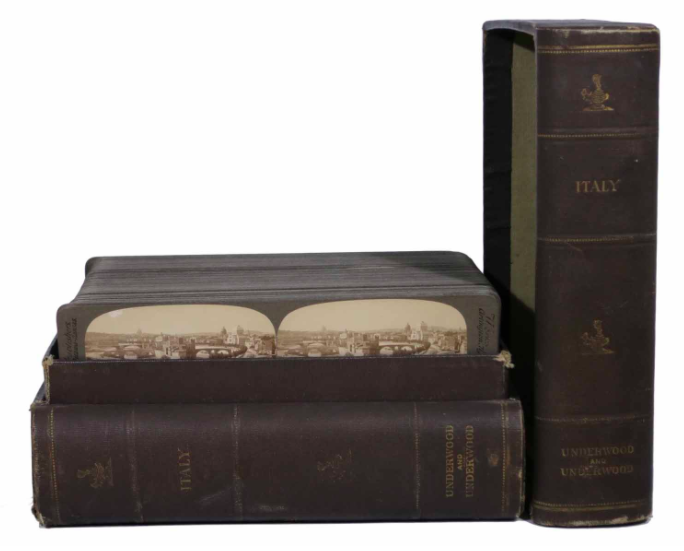
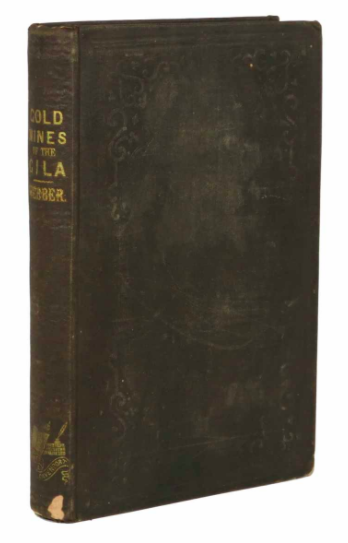
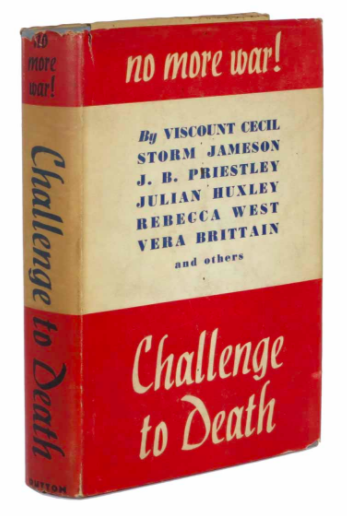

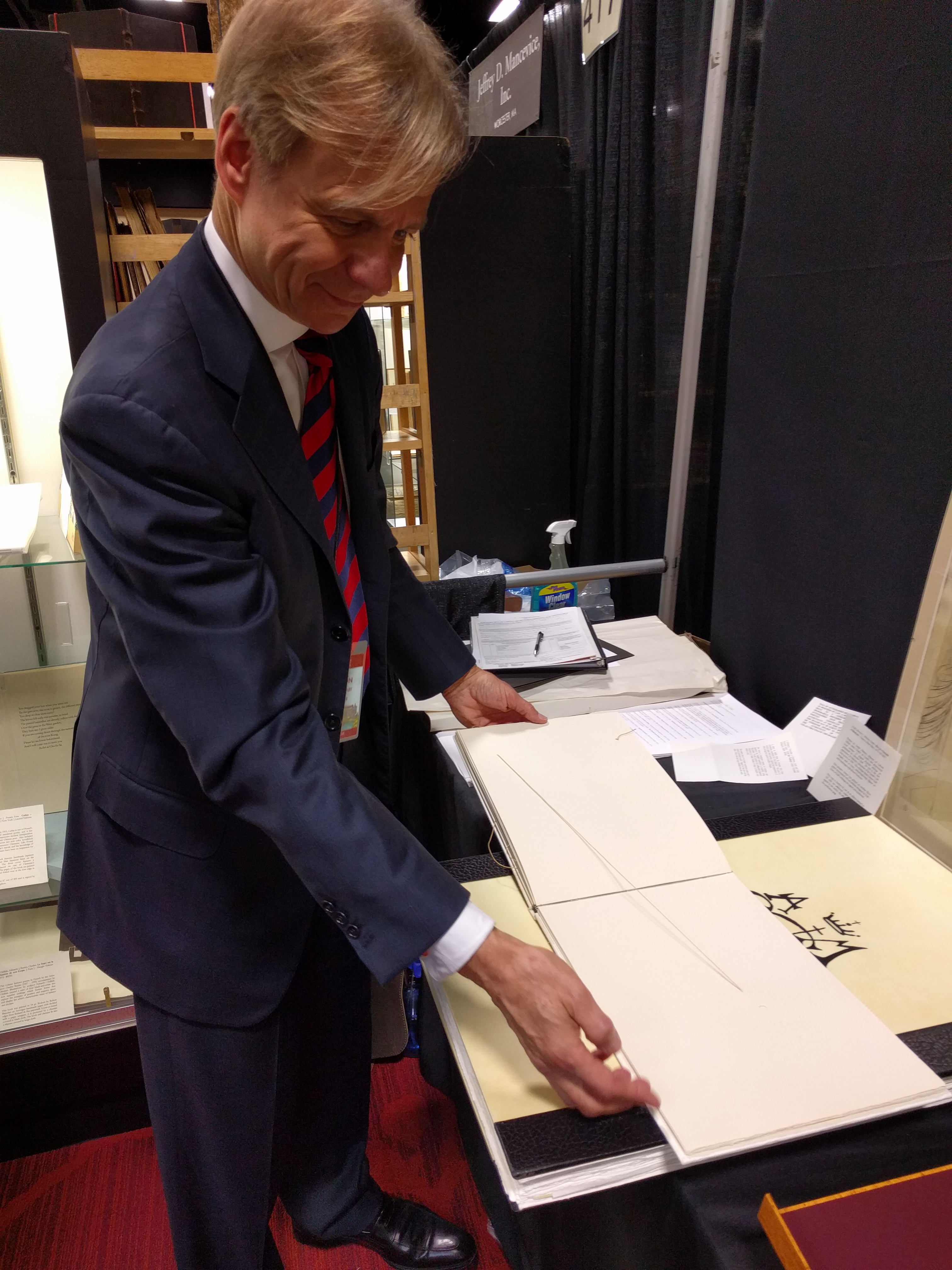
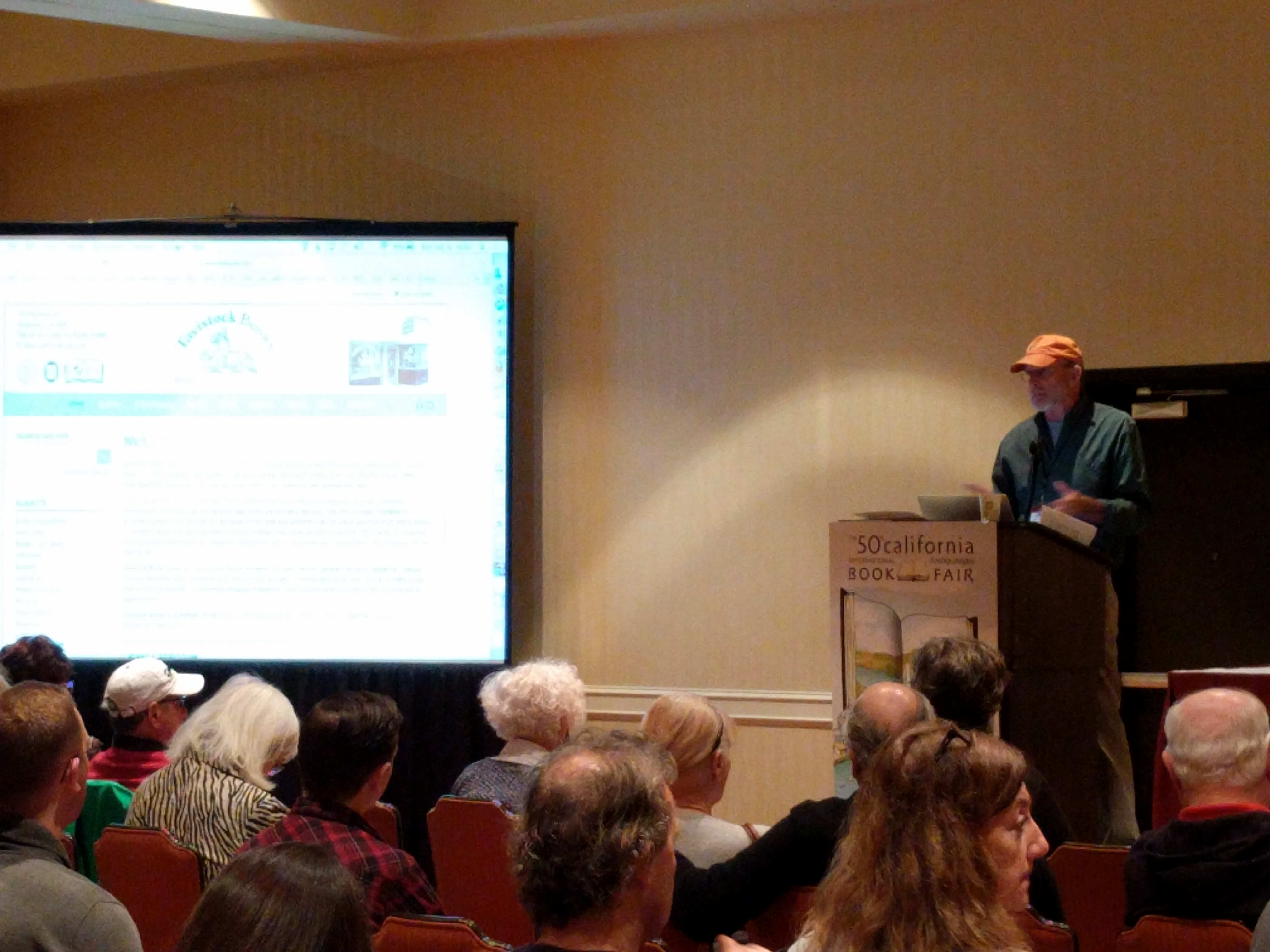
 However, since I’m now attending the fair as an outsider, it is difficult for me to remark on certain aspects of interest to other booksellers and those attending other fairs around the country. In terms of attendance, I was there on both
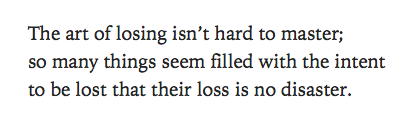
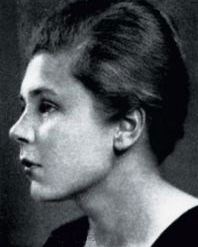 Bishop’s high schooling was a tad erratic, as she attended three different high schools until settling at Walnut Hill School, where she studied music with the idea of becoming a composer. At Walnut Hill her first poems were published in a student magazine. However, Bishop was still convinced that her future lay in music, not literature. She entered Vassar College in the fall of 1929 with these hopes – though they soon gave way when the fear of actually performing became too great for the shy Bishop. Instead, she threw herself into academia – focusing on her English classes and co-founding (with author Mary McCarthy) the underground university literary magazine Con Spirito. When she graduated in 1934, Bishop focused on traveling the world. She spent time living in Paris and in Key West, and wrote of her travels in poems, essays, and short stories. In fact, much of her writing done in Key West would be included in her first published book of poems, North and South (1946) – a book which won the Houghton Mifflin Prize for Poetry. Despite her popularity, however, Bishop wouldn’t publish another book of poetry for another 9 years. She still had enough money from the inheritance from her father to flourish in these locales, writing more for pleasure than for necessary income.
 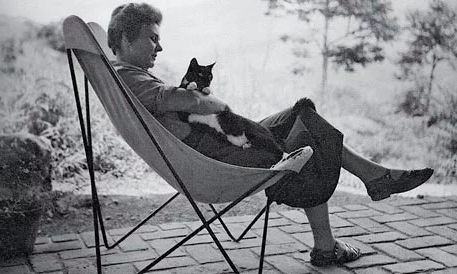 Her writing became more and more popular throughout the years, and almost 15 years later she would be elected as the Consultant in Poetry for the Library of Congress. Once her year as a consultant ended, Bishop began her travels once again and set out for South America in 1951. She intended to stay for two weeks, but fell in love with the female (and terribly gifted) Brazilian architect Lota de Macedo Soares, and lived with her in Brazil for 15 years. Obviously at this time same-sex relationships were kept under wraps, which worked out just fine for the shy Bishop. During her time in Brazil, Bishop published a follow-up to her poetry collection North and South, and released Poems: North and South – A Cold Spring in 1955, and one year later won the Pulitzer Prize for this second book of poetry. Bishop enjoyed (or possibly didn’t enjoy, given her introverted nature) notoriety in both Brazil and the US over the next decade spent in Brazil with her lover. Unfortunately, over the years their relationship became strained and was tainted by Bishop’s alcoholism and heated fights. Soares committed suicide in 1967, after which Bishop would spend most of her days in the United States, away from the country that inspired much of her writing for so long.
  Her third publication, Questions of Travel, was published in 1965, and was unquestionably influenced by her time spent in South America. After this, she published a book of The Complete Poems in 1969, and then her last book to appear in her lifetime, Geography III, in 1977. Geography III won the Neustadt International Prize for Literature, a prize which no woman had ever won and no American has won since. Bishop remained unbelievably popular throughout her life, until her sudden death in 1979 from a cerebral aneurysm.


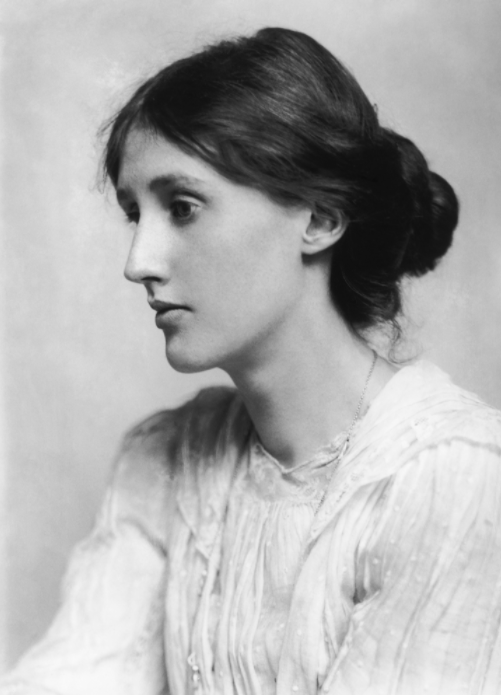 Virginia was born Adeline Virginia Stephen on January 25th, 1882 in Kensington, London. She was born into a mixed family – both of her parents having been married previously with sets of children on both sides. The family was extremely literate – both parents being well connected in the artistic and literary worlds. In 1895 when Virginia was only 13 years old her mother died, followed closely by her half-sister, Stella and brother Thoby. At this point Virginia began to suffer from the nervousness and had the first breakdown of many she would suffer from throughout her life.
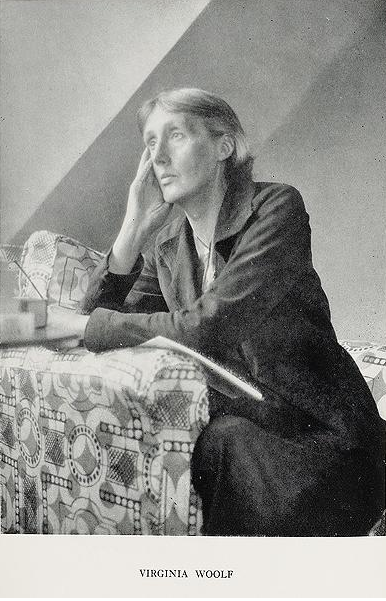 As far as writing goes, Woolf’s stories are often experiments in point of view and narrative. She focuses her plots on realism – typical days in the lives of her characters, sometimes no plot twists whatsoever. She, alongside other modern authors Joseph Conrad and James Joyce, has been credited with the invention of the stream-of-consciousness form of writing – where the narration takes on a inner dialogue type voice that never ceases and flows lyrically from one subject to the next, just as our regular minds do. This lyrical style is also seen in her descriptions of ordinary, commonplace events in her novels. They are so stylistically written that Woolf elevates the ordinary and creates a world rich in detail.
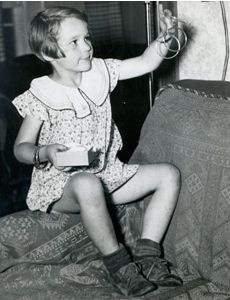 Amelia Mary Earhart was born on July 24th, 1897 to a family in Atchison, Kansas. She lead a somewhat average childhood. As the eldest surviving child in the family, she played the role of the ringleader well and was often in charge of her younger sister, Grace. “Meely”‘s only slightly unconventional aspect of her childhood was that her mother, Amy Earhart, did not believe in forcing manners or or tradition on her daughters! She didn’t not believe that parents should be shaping their children into “nice” little girls, and gave her two daughters a freer reign than their childhood friends would have known. This gave Amelia the chance to express her true tomboy nature and her family (or at least her mother) embraced it. In 1904 at the age of 7 Earhart completed her first (not quite successful) solo flight with the aid of an uncle. She put together a home-made ramp fashioned after a roller coaster she had seen, and placed the ramp on the roof of the toolshed at her family home. She rode in a wooden box off the ramp, and climbed out of the broken box completely exhilarated!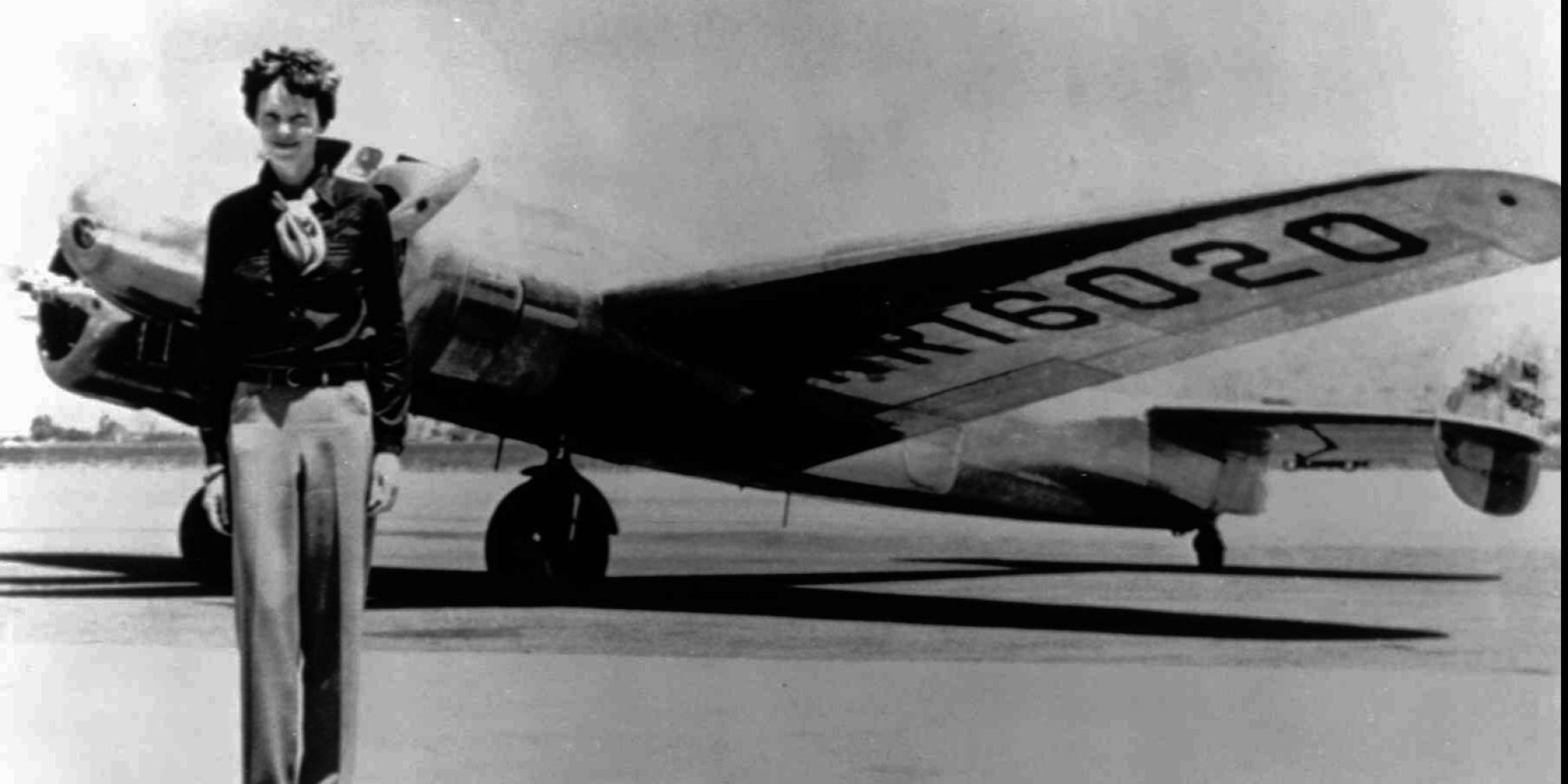
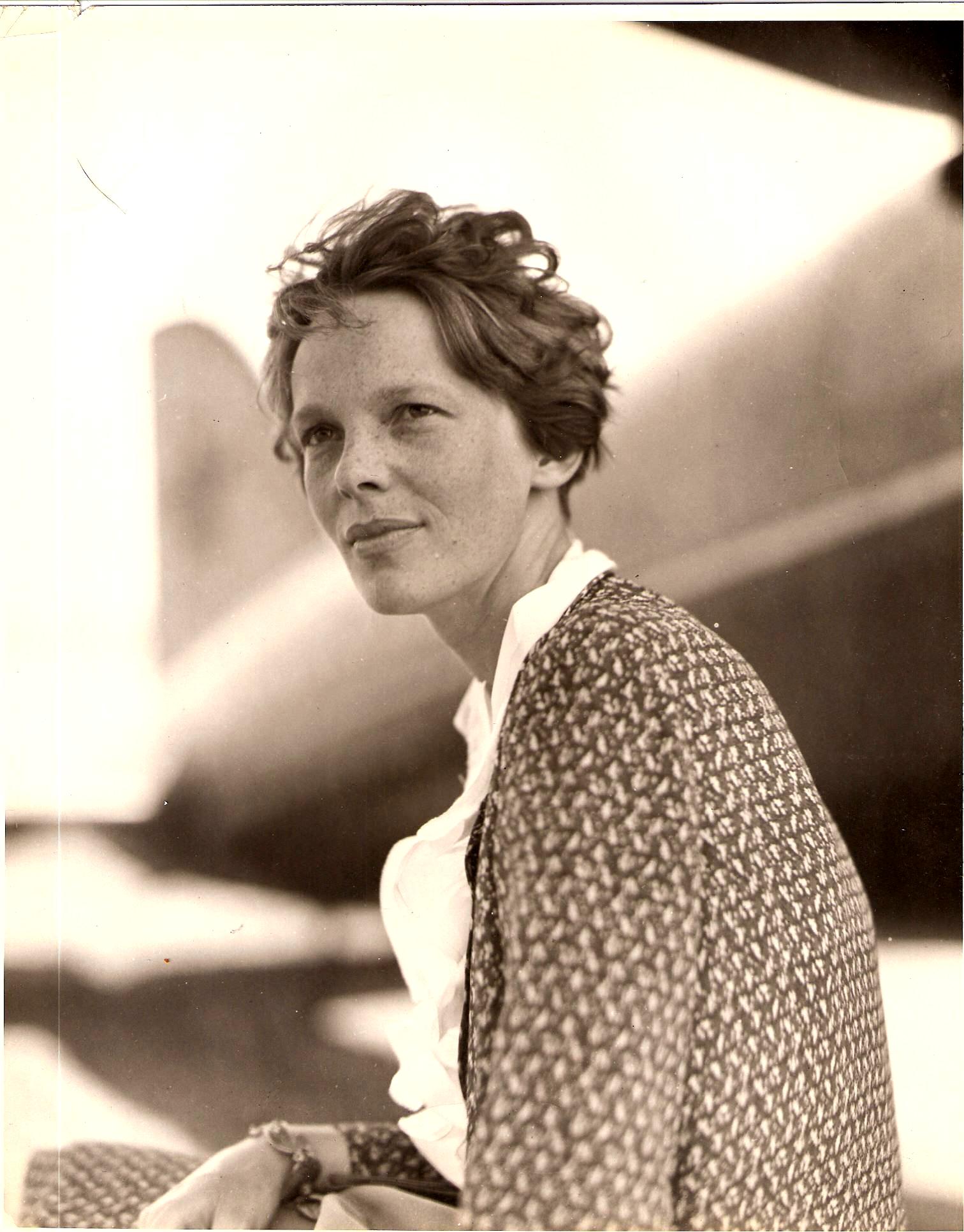 Earhart’s fame came spectacularly randomly in 1928, when American citizen Amy Guest decided to be the first woman to fly across the Atlantic ocean (following Charles Lindbergh’s solo flight in 1927). Guest decided that the journey was too dangerous and undertaking for herself, she decided to find a suitable young woman to take her place. One afternoon, Earhart received a call from a Captain Hilton H. Railey, asking her if she would like to fly across the Atlantic ocean. Earhart completed the journey with pilots Wilmer Stultz and Louis Gordon, and was welcomed to both England and back in the United States to rounds of applause, interviews, and even a lecture tour. With the help of George P. Putnam (publisher and publicist who was involved in the original crossing), Earhart remained at the front of the worldwide news, and was marketed as the modern woman. Simple, elegant, intelligent and effective.