By Margueritte Peterson
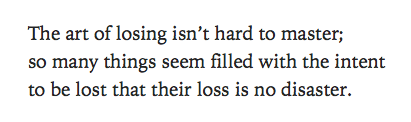
So begins my favorite poem. I was never much of a poetry buff – having to read out badly handwritten poems in the 5th grade and then being the last one in the class to be chosen to be published in a strange Florida Kids Poetry Book pretty much nipped any dreams I might have had of being the next Emily Dickinson in the bud. In any event, I didn’t learn to appreciate poetry for a long, long time. Often I had trouble deciphering the meanings of the poems. In high school, a teacher would mark you wrong if you thought the poem had a different meaning than what she had thought. I always thought to myself, “how can that be right?” My English teacher wasn’t a close personal friend of Emily’s. Who is to say that what an academic somewhere decided was the meaning of Emily Dickinson’s poems is 100% what she meant. Isn’t a little part of poetry and literature in general interesting in that everyone reads it a bit differently?
But I digress.
Often, poetry can be a bit difficult for the average reader. (Especially if they are being graded on their feelings… okay, okay… I really will drop it now.) The poetry I have always preferred, given my lack of poetry deciphering skills, were the straight forward ones. The ones whose meanings were clear, which spoke to you in a way where you felt like the author was sharing a secret with you and only you. Poets like… Miss Elizabeth Bishop.
Elizabeth Bishop was born on February 8th (Happy Birthday!) in 1911, in Worcester, Massachusetts. She would have a sad childhood, however, as her father died before her first birthday and her mother went mad and was institutionalized in 1916 when Bishop was only 5 years old. She would never be reunited with her mother, and went to live with her maternal grandparents in Nova Scotia. Despite being ill often and developing asthma, Bishop wrote of her time in Nova Scotia as one of the happiest in her childhood. Custody of Bishop was then gained by her wealthier paternal grandparents a bit later in her childhood, and she was moved back to Worcester. Unfortunately she was unhappy with her paternal grandparents, and they could tell. In 1918, her grandparents sent Bishop to live with her mom’s eldest sister, Maud and her husband, and paid them for her upkeep. This was an important time for Elizabeth, as it was her aunt Maud who introduced her to poetry, reading her the works of the Victorian poets, including Tennyson, Robert Browning, Elizabeth Barrett Browning and Thomas Carlyle. Without her knowledge, the seed to become a poet had been planted.
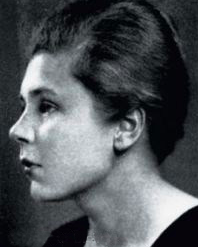 Bishop’s high schooling was a tad erratic, as she attended three different high schools until settling at Walnut Hill School, where she studied music with the idea of becoming a composer. At Walnut Hill her first poems were published in a student magazine. However, Bishop was still convinced that her future lay in music, not literature. She entered Vassar College in the fall of 1929 with these hopes – though they soon gave way when the fear of actually performing became too great for the shy Bishop. Instead, she threw herself into academia – focusing on her English classes and co-founding (with author Mary McCarthy) the underground university literary magazine Con Spirito. When she graduated in 1934, Bishop focused on traveling the world. She spent time living in Paris and in Key West, and wrote of her travels in poems, essays, and short stories. In fact, much of her writing done in Key West would be included in her first published book of poems, North and South (1946) – a book which won the Houghton Mifflin Prize for Poetry. Despite her popularity, however, Bishop wouldn’t publish another book of poetry for another 9 years. She still had enough money from the inheritance from her father to flourish in these locales, writing more for pleasure than for necessary income.
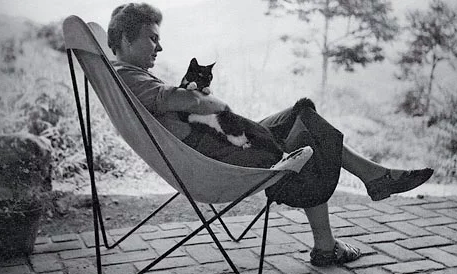 Her writing became more and more popular throughout the years, and almost 15 years later she would be elected as the Consultant in Poetry for the Library of Congress. Once her year as a consultant ended, Bishop began her travels once again and set out for South America in 1951. She intended to stay for two weeks, but fell in love with the female (and terribly gifted) Brazilian architect Lota de Macedo Soares, and lived with her in Brazil for 15 years. Obviously at this time same-sex relationships were kept under wraps, which worked out just fine for the shy Bishop. During her time in Brazil, Bishop published a follow-up to her poetry collection North and South, and released Poems: North and South – A Cold Spring in 1955, and one year later won the Pulitzer Prize for this second book of poetry. Bishop enjoyed (or possibly didn’t enjoy, given her introverted nature) notoriety in both Brazil and the US over the next decade spent in Brazil with her lover. Unfortunately, over the years their relationship became strained and was tainted by Bishop’s alcoholism and heated fights. Soares committed suicide in 1967, after which Bishop would spend most of her days in the United States, away from the country that inspired much of her writing for so long.
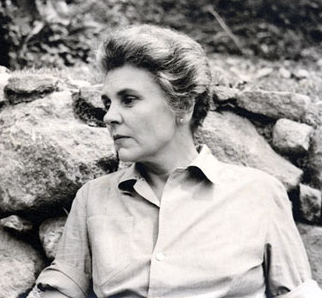 Her third publication, Questions of Travel, was published in 1965, and was unquestionably influenced by her time spent in South America. After this, she published a book of The Complete Poems in 1969, and then her last book to appear in her lifetime, Geography III, in 1977. Geography III won the Neustadt International Prize for Literature, a prize which no woman had ever won and no American has won since. Bishop remained unbelievably popular throughout her life, until her sudden death in 1979 from a cerebral aneurysm.




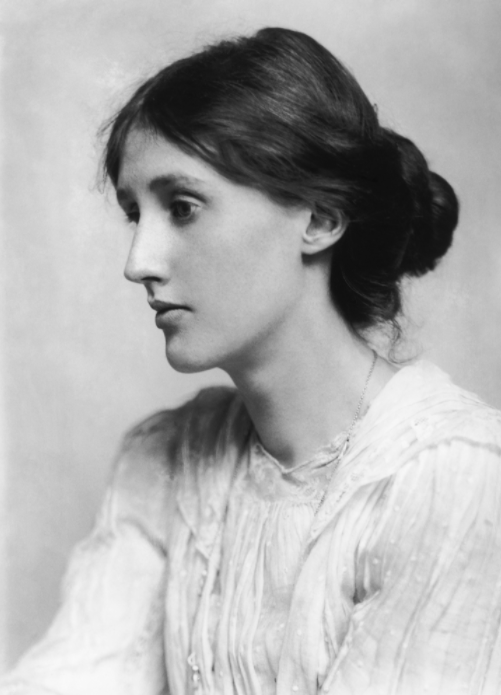 Virginia was born Adeline Virginia Stephen on January 25th, 1882 in Kensington, London. She was born into a mixed family – both of her parents having been married previously with sets of children on both sides. The family was extremely literate – both parents being well connected in the artistic and literary worlds. In 1895 when Virginia was only 13 years old her mother died, followed closely by her half-sister, Stella and brother Thoby. At this point Virginia began to suffer from the nervousness and had the first breakdown of many she would suffer from throughout her life.
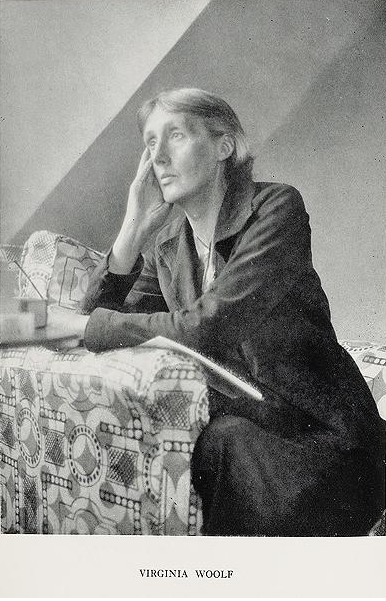 As far as writing goes, Woolf’s stories are often experiments in point of view and narrative. She focuses her plots on realism – typical days in the lives of her characters, sometimes no plot twists whatsoever. She, alongside other modern authors Joseph Conrad and James Joyce, has been credited with the invention of the stream-of-consciousness form of writing – where the narration takes on a inner dialogue type voice that never ceases and flows lyrically from one subject to the next, just as our regular minds do. This lyrical style is also seen in her descriptions of ordinary, commonplace events in her novels. They are so stylistically written that Woolf elevates the ordinary and creates a world rich in detail.

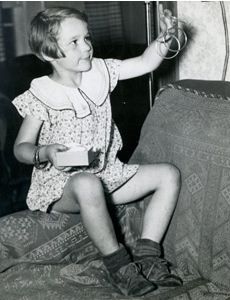 Amelia Mary Earhart was born on July 24th, 1897 to a family in Atchison, Kansas. She lead a somewhat average childhood. As the eldest surviving child in the family, she played the role of the ringleader well and was often in charge of her younger sister, Grace. “Meely”‘s only slightly unconventional aspect of her childhood was that her mother, Amy Earhart, did not believe in forcing manners or or tradition on her daughters! She didn’t not believe that parents should be shaping their children into “nice” little girls, and gave her two daughters a freer reign than their childhood friends would have known. This gave Amelia the chance to express her true tomboy nature and her family (or at least her mother) embraced it. In 1904 at the age of 7 Earhart completed her first (not quite successful) solo flight with the aid of an uncle. She put together a home-made ramp fashioned after a roller coaster she had seen, and placed the ramp on the roof of the toolshed at her family home. She rode in a wooden box off the ramp, and climbed out of the broken box completely exhilarated!
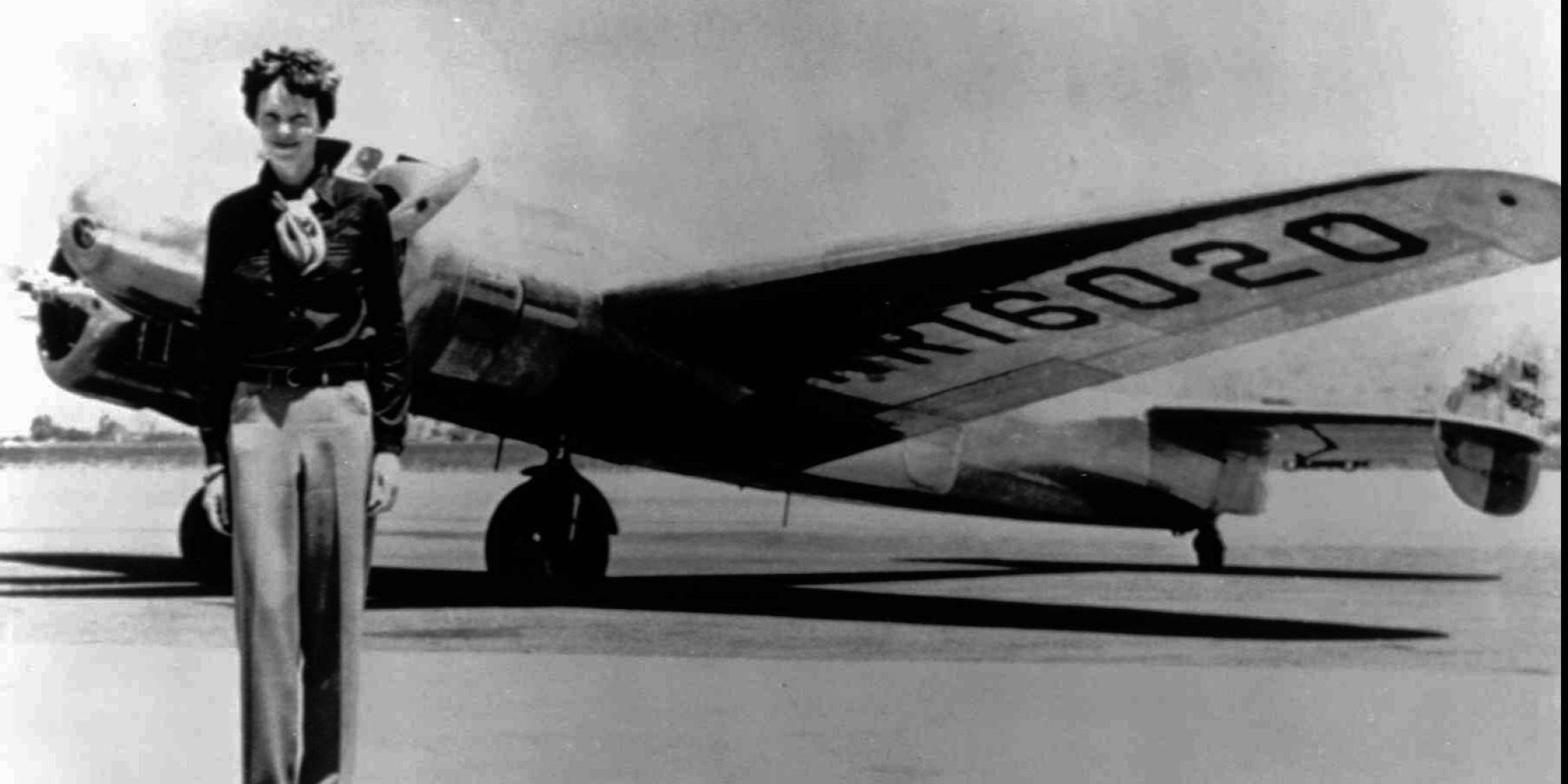
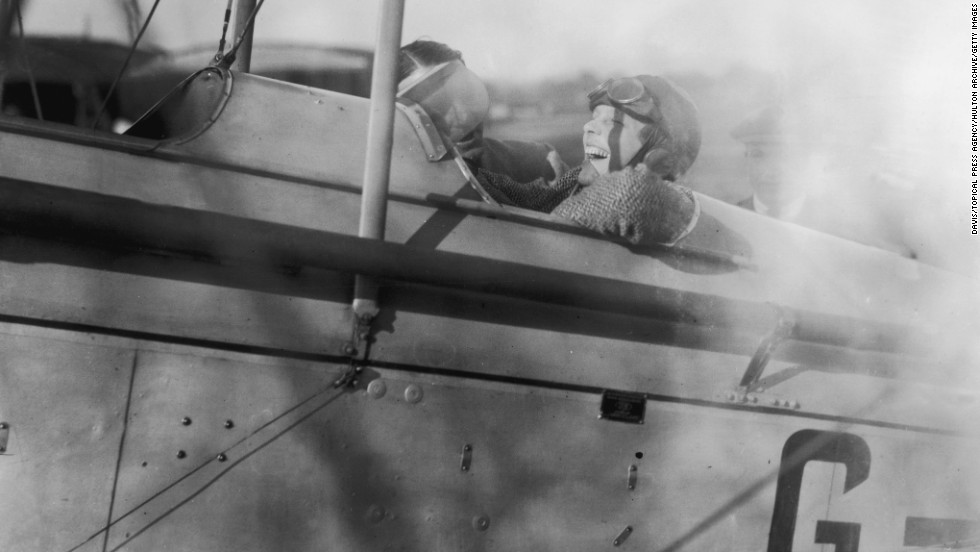
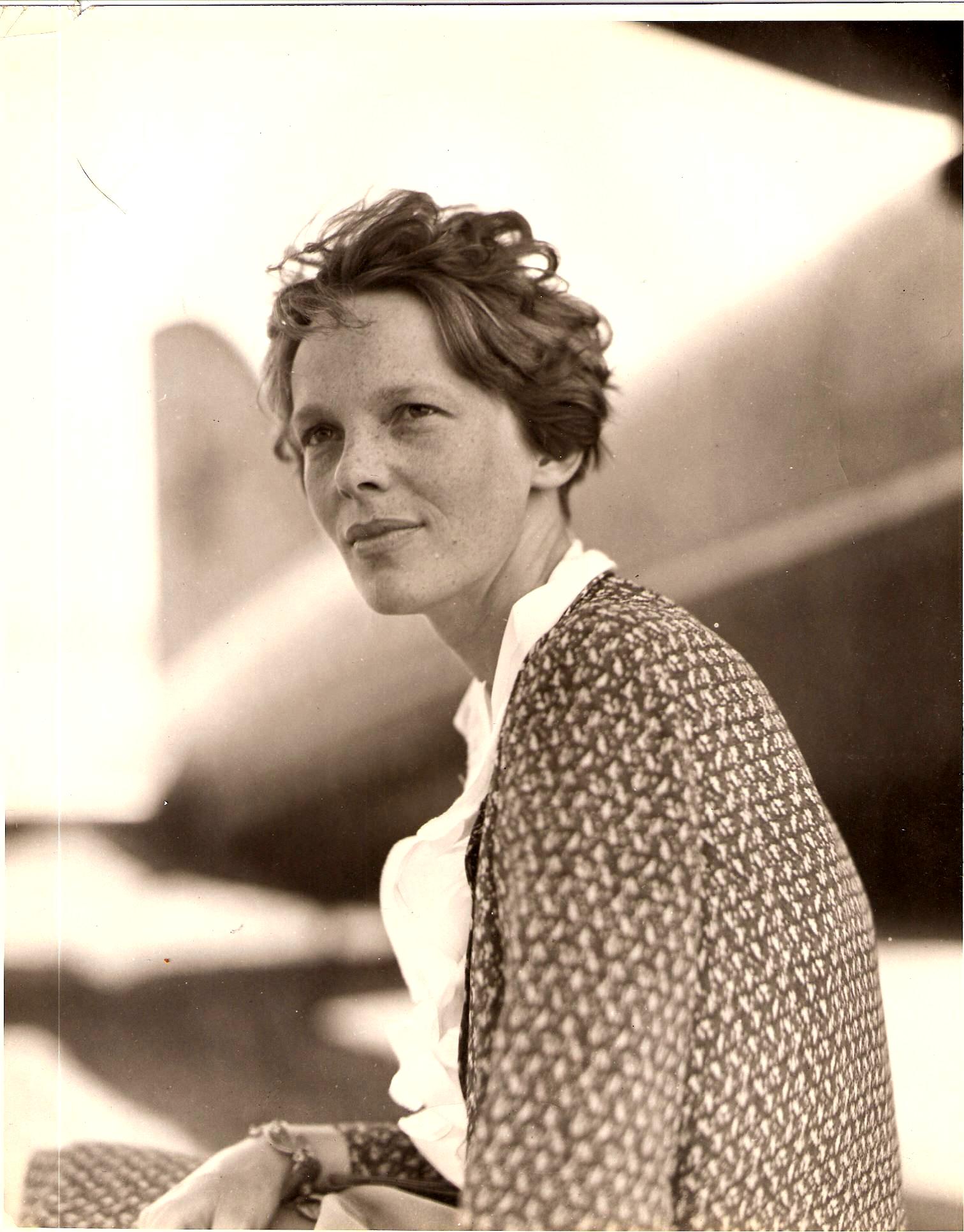 Earhart’s fame came spectacularly randomly in 1928, when American citizen Amy Guest decided to be the first woman to fly across the Atlantic ocean (following Charles Lindbergh’s solo flight in 1927). Guest decided that the journey was too dangerous and undertaking for herself, she decided to find a suitable young woman to take her place. One afternoon, Earhart received a call from a Captain Hilton H. Railey, asking her if she would like to fly across the Atlantic ocean. Earhart completed the journey with pilots Wilmer Stultz and Louis Gordon, and was welcomed to both England and back in the United States to rounds of applause, interviews, and even a lecture tour. With the help of George P. Putnam (publisher and publicist who was involved in the original crossing), Earhart remained at the front of the worldwide news, and was marketed as the modern woman. Simple, elegant, intelligent and effective.
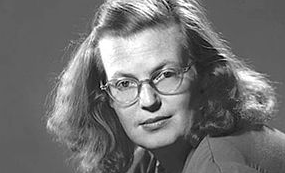
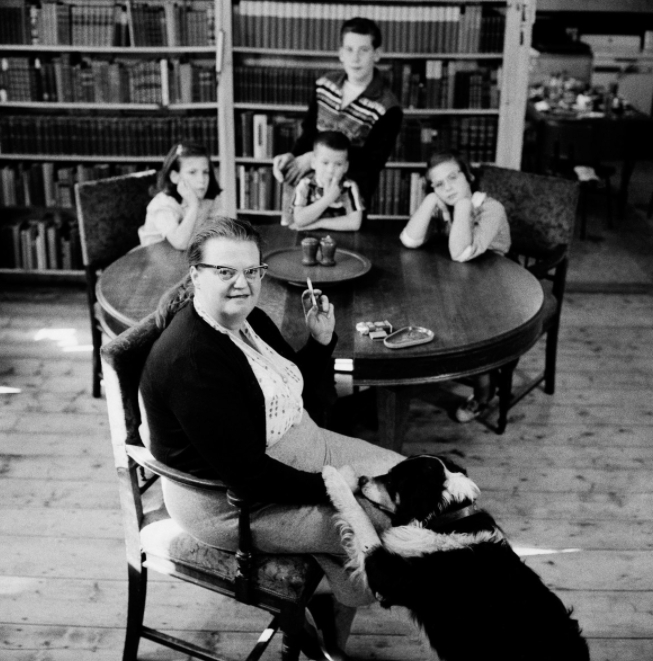

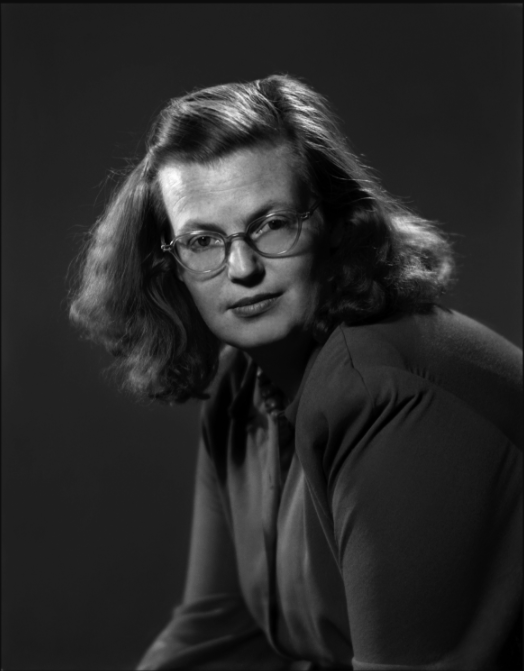 The negative response her story received did not stop her, however. Jackson continued to write stories and would come to be known as a Mistress of Terror. Her subtle plots infused with strange characters and sinister themes and plots held her audience captivated. She wrote over 100 short stories throughout the years, some children’s stories and several novels. Her novels The Bird’s Nest (1954) and The Haunting of Hill House (1959) are commonly regarded as fantastical and ghostly stories, and have inspired authors Stephen King and Neil Gaiman in their own works. In 1962 she published her novel We Have Always Lived in the Castle, a story following two sisters after the mysterious and unsolved mass death of their entire family in their childhood home.