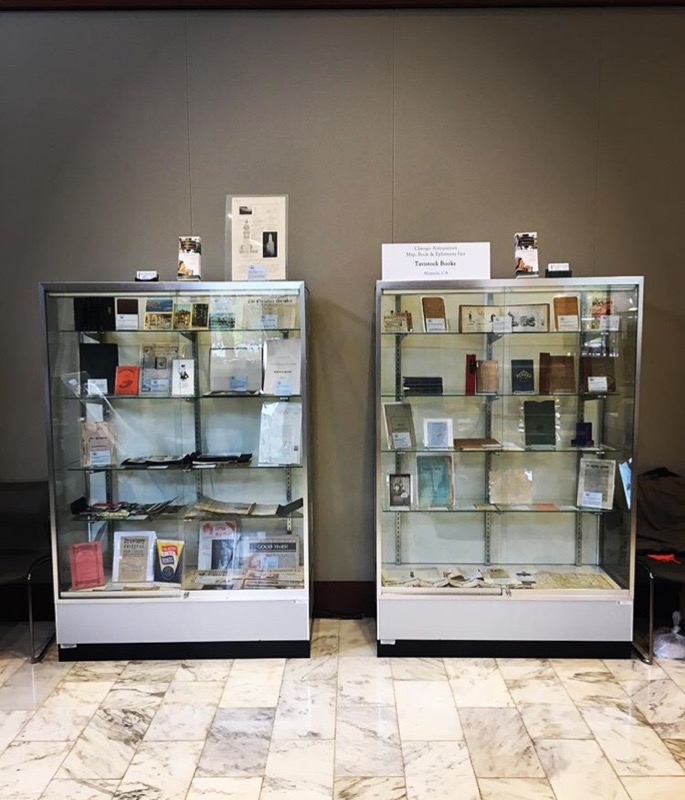
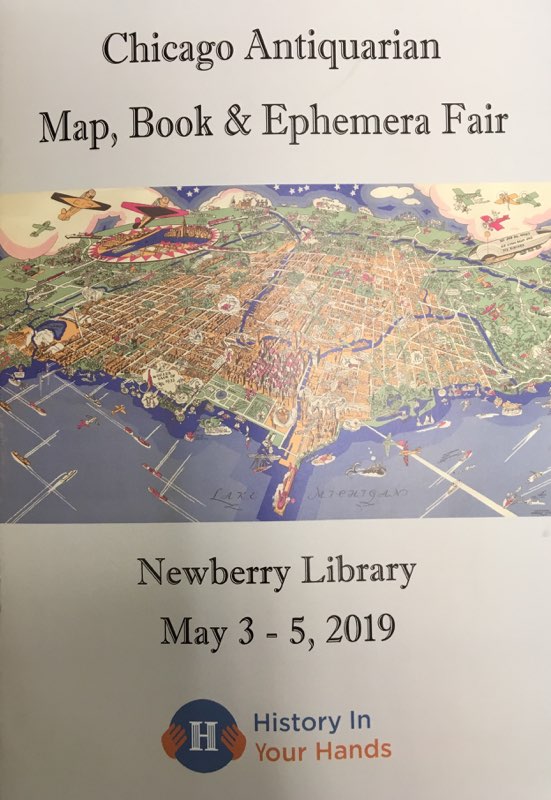
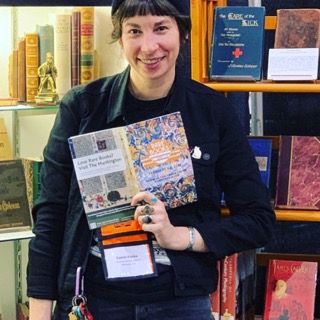
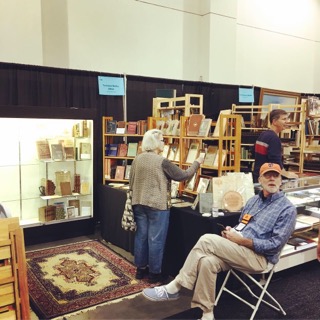
Recently, Team Tavistock flew out to Chicago to exhibit at the Chicago Antiquarian Book Fair. A first time exhibiting at this fair for Tavistock, we got the low-down on their experiences below!
So Vic, is this your first time exhibiting at the Chicago fair? And if so, what made you decide to try it out?
VZ: Indeed, this was my first time exhibiting in Chicago, and I did so because it was held at the prestigious Newberry Library. A lovely venue.
Samm, have you spent any time in Chicago before this fair?
SF: Yes, I have spent quite a bit of time in Chicago before this trip. However, I was never in the area we were in – Lincoln Park is, I believe, the neighborhood that the Newberry is in. The park in front of the Newberry is absolutely gorgeous, and the Newberry Library was spectacular! Not to mention that we discovered a lovely breakfast diner called Tempo, and it was a delight. Every time I visit Chicago I seem to find great and beautiful places.
Vic, how did you decide what was best to take with you, exhibit-wise?
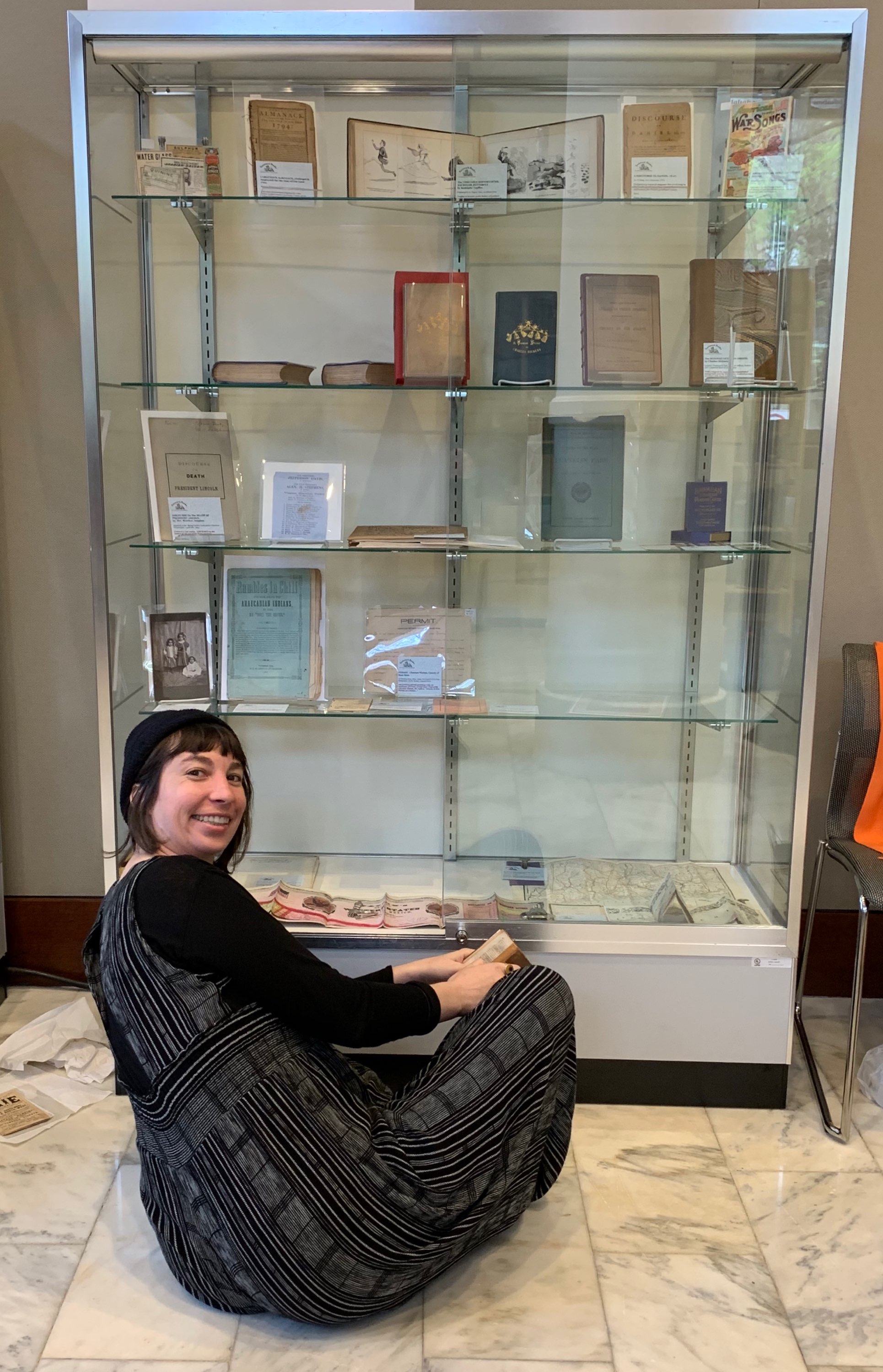
VZ: We had contracted for two trophy cases, no tables. And to save on shipping costs, decided to carry everything with us on the airplane. So selections tended to have two aspects: a connection to Chicago, and being more of a pamphlet or otherwise ’smallish’ item. What inventory we brought with us was supplemented by the 85 Dickens titles I acquired at the 1 May Hindman auction. And no, we didn’t put out all 85! Just a half dozen or so.
Samm, what was load-in and set up like? How did it compare to the previous fairs you have worked on?
SF: Overall, load-in was easy. It is always a bit confusing when first arriving at a book fair – where to go and what doors lead to what rooms. But it is definitely the way when you have never even been to the venue before! Other fairs I have attended have had very detailed load-in and load-out policies and rules, but that did not seem to be the case at the Newberry. It is a HUGE venue and easy to get turned around if you are unfamiliar with it.
Vic, what was the best part of the fair, as one who has so much experience both exhibiting and shopping fairs around the country?
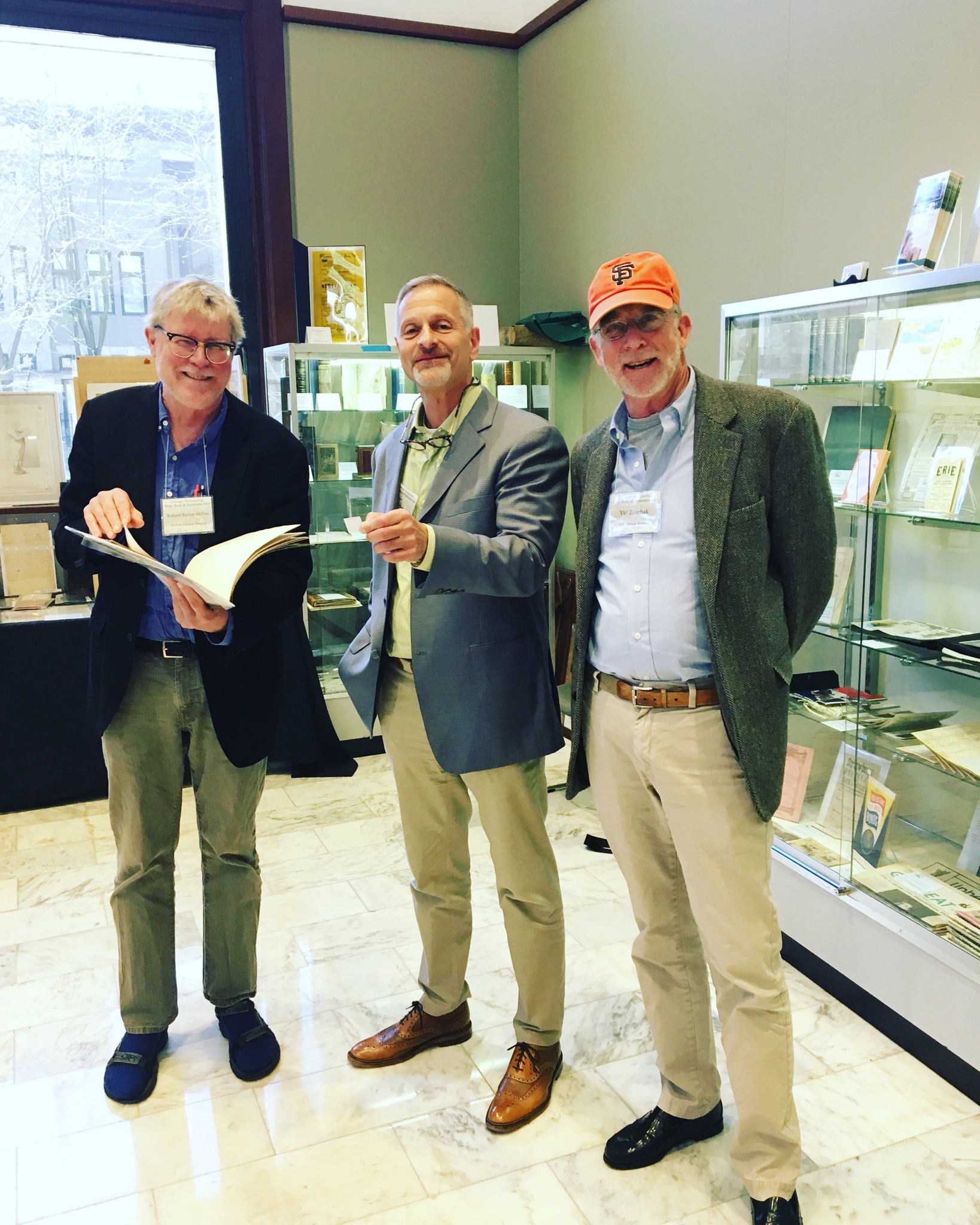
VZ: In this case, for me, the best part of the fair was the Friday night exhibitor dinner arranged by the fair promoter, Sammy Berk. Was a quite enjoyable evening, with good food, good drink, & good company.
Samm, what was your favorite thing about this fair?
SF: To be honest, I think its one of my favorite things about every fair I have exhibite at so far. Meeting people I have only talked to on the phone or emailed with! It is always nice to put a face to voice or name. People’s responses to me are typically along the lines of “its nice to meet you in person, I have been seeing you on Instagram and the blog.” Haha!
And last but not least… Vic, do you think you’ll be exhibiting at the Chicago Antiquarian Book Fair in the future?
VZ: TBD! I say this, for despite the fantastic venue, sales were, shall we say, less than robust, and at the end of the day, one must have sales to remain a bookseller.
And there you have it, ladies and gents!
Looking forward to the next book fair report this fall, coming to you from Tavistock Books.

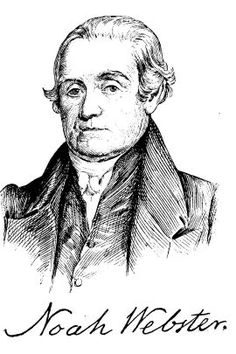
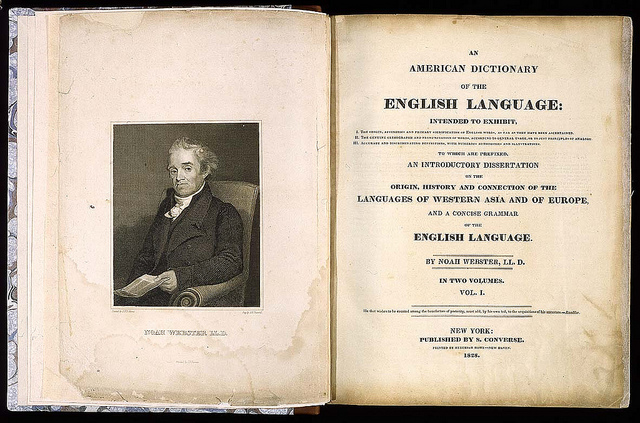
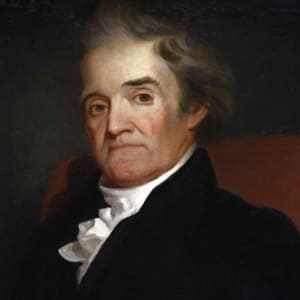 Webster married Rebecca Greenleaf in 1789, and as she was of good breeding (man, I don’t get to use that phrase often enough) he was able to join higher levels of society in Connecticut than he had been. (They would later have 8 children, but that is neither here nor there.) Due to his beliefs in the revolution and conviction in America’s greatness, one Alexander Hamilton loaned him $1,500 in 1793 to move to New York and become the editor for the Federalist Papers. For the next few decades, Webster spent much of his time being one of the most profuse authors of the time, especially when it came to political reports, but also in regard to textbooks and articles across the board.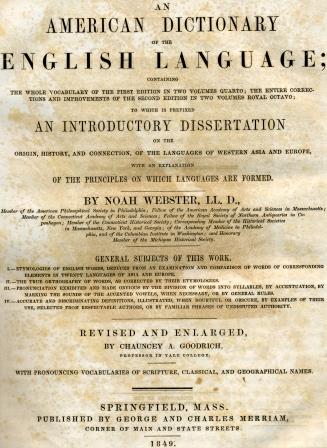

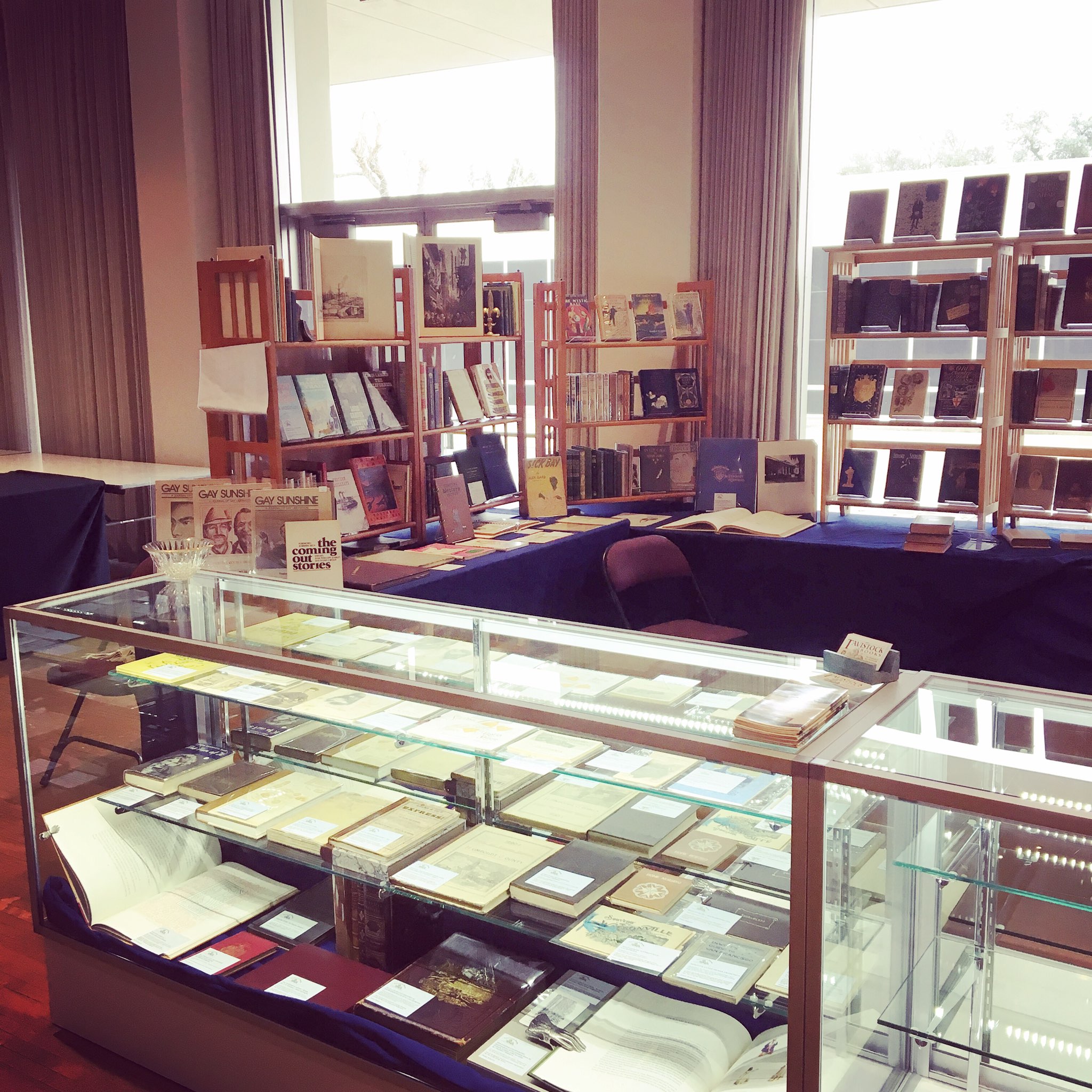
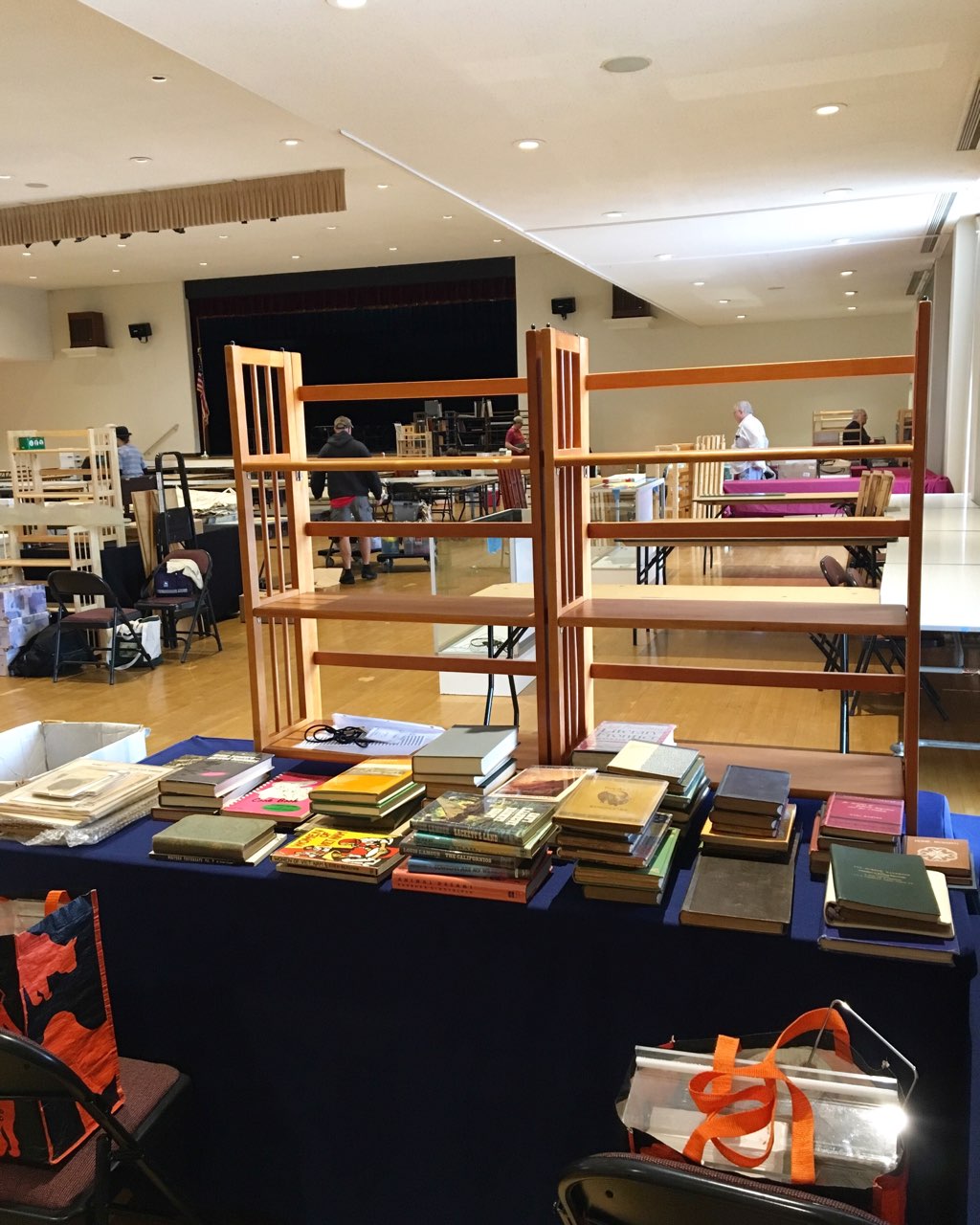


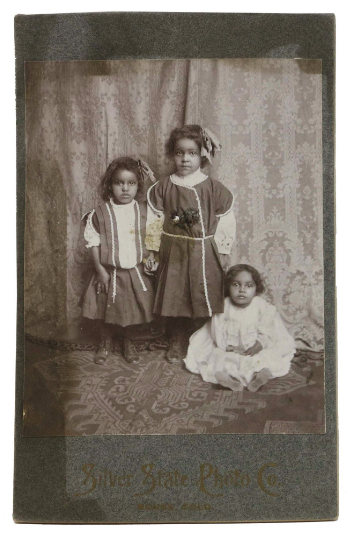
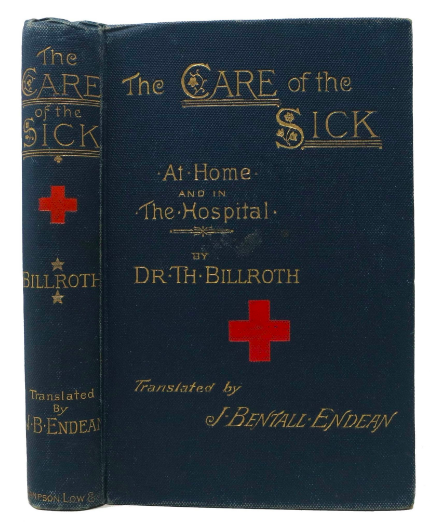
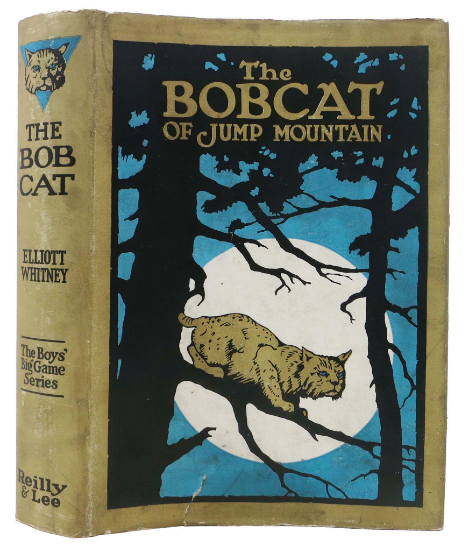
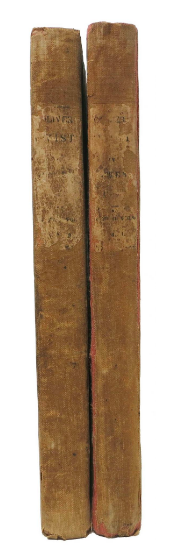
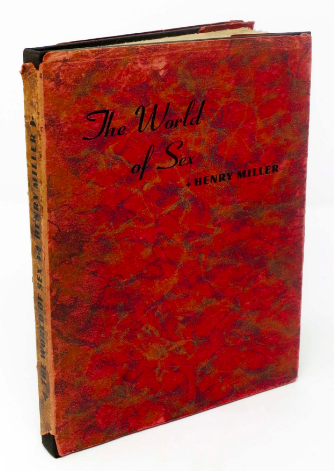
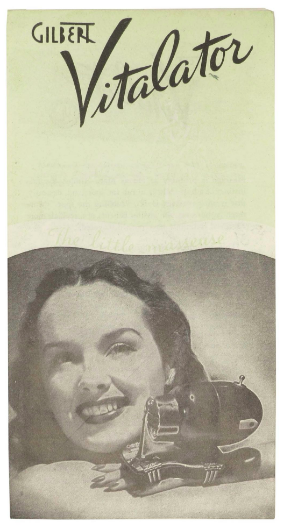
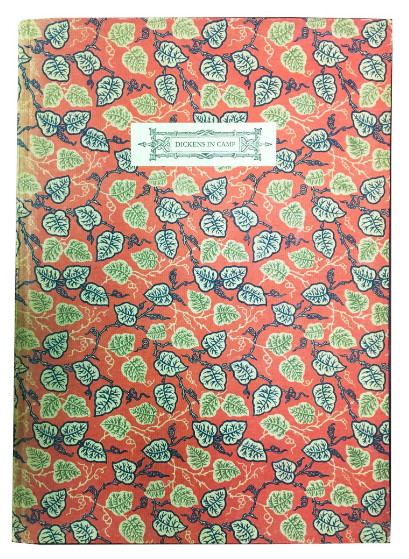

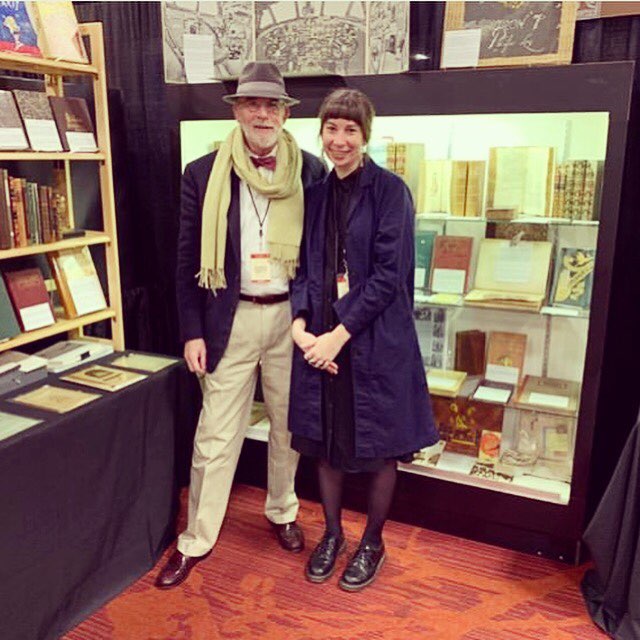
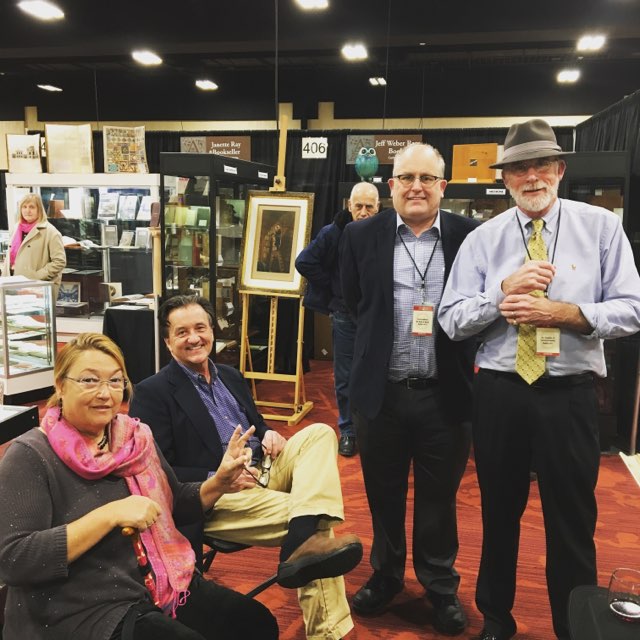
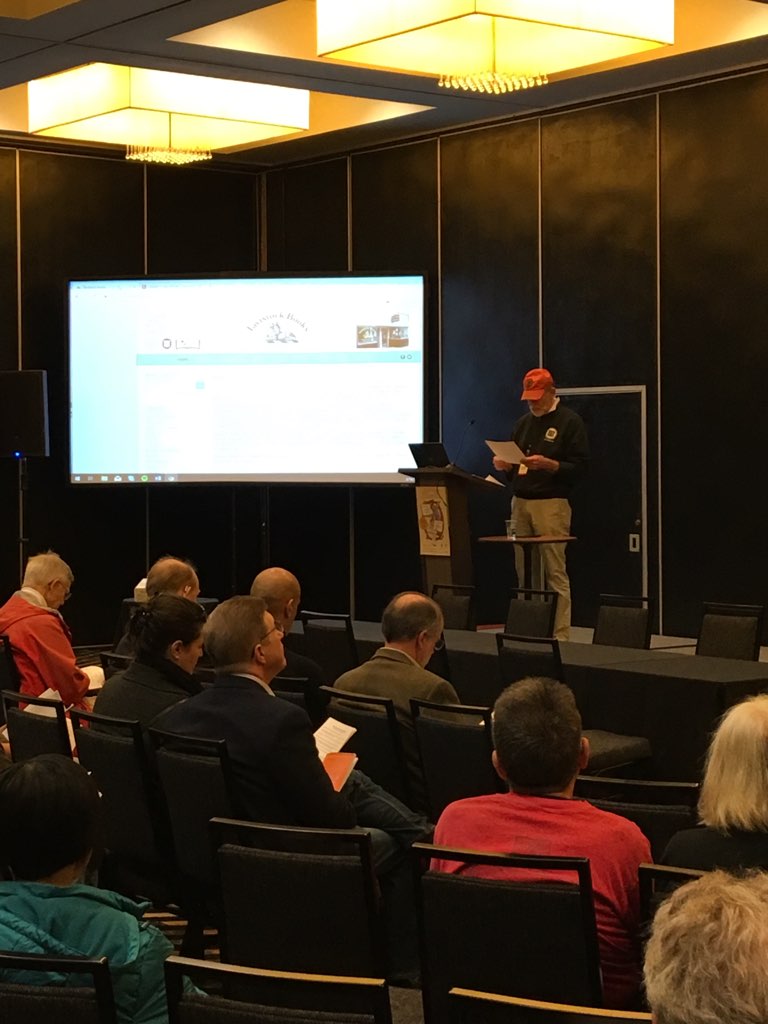
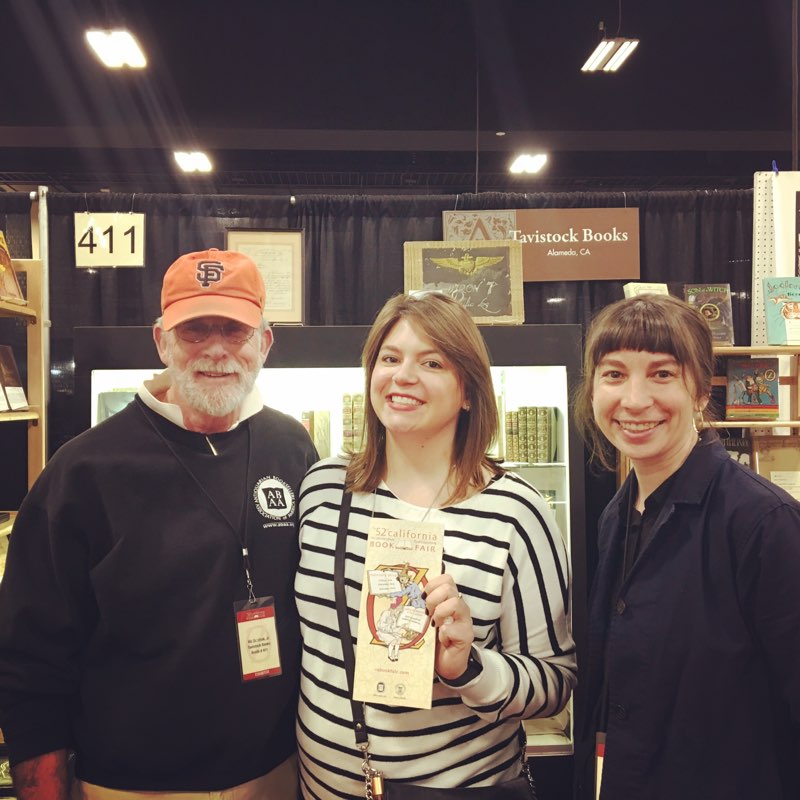
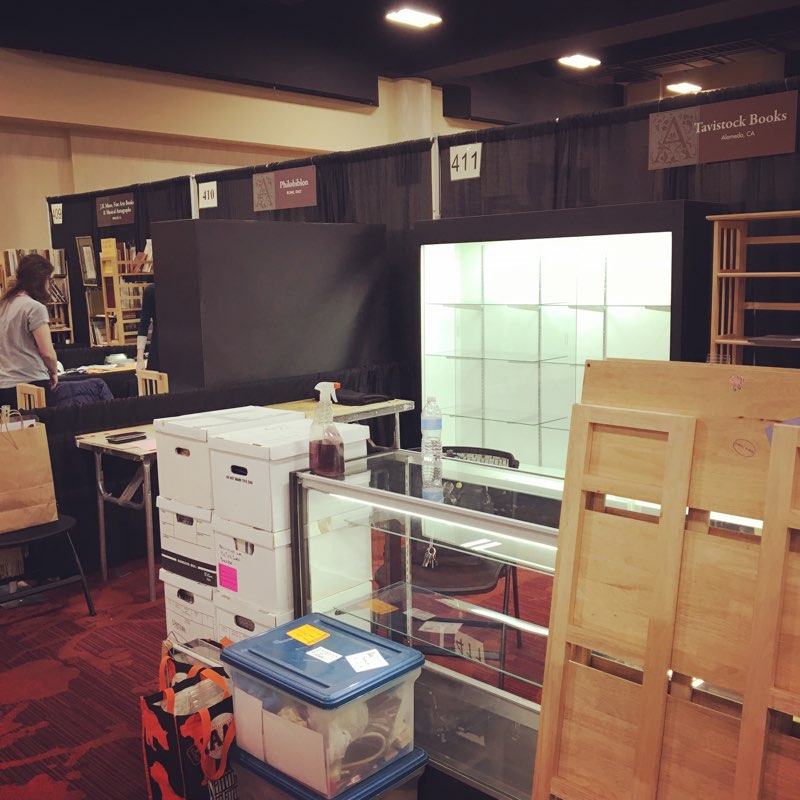
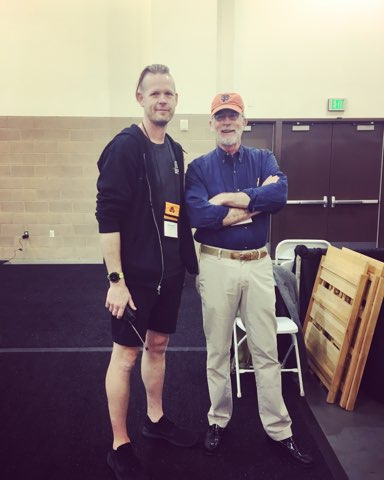
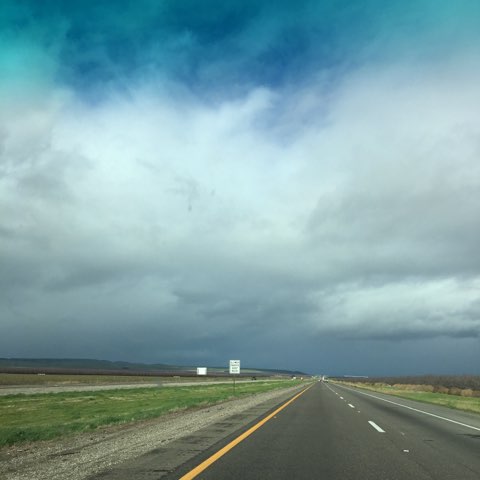
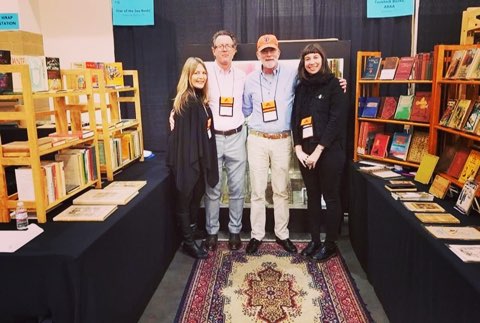 Now, we might be exaggerating just a teensy bit, as there really wasn’t any rain falling on our books, as we were able to unload in the garage, with plenty of help with dollys, unlike other local fairs we have attended! Luckily for us… it meant we didn’t really need to do much heavy lifting. The fair itself was a fun event, us getting to catch up with a lot of our fellow bibliophiles before the Oakland fair this upcoming weekend, and although the sales were a tad underwhelming for us (in all fairness, however, we were saving our big ticket items for the upcoming Oakland fair), it was definitely worth the trip in acquisitions – many of which you’ll be able to see on display at the Marriott this weekend! That all being said, many booksellers did have great sales… with one rumor that a seller sold out his entire booth!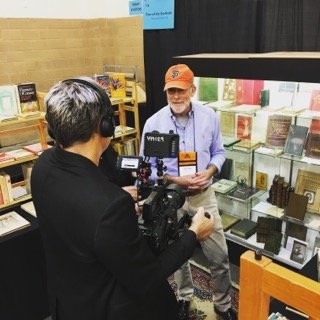
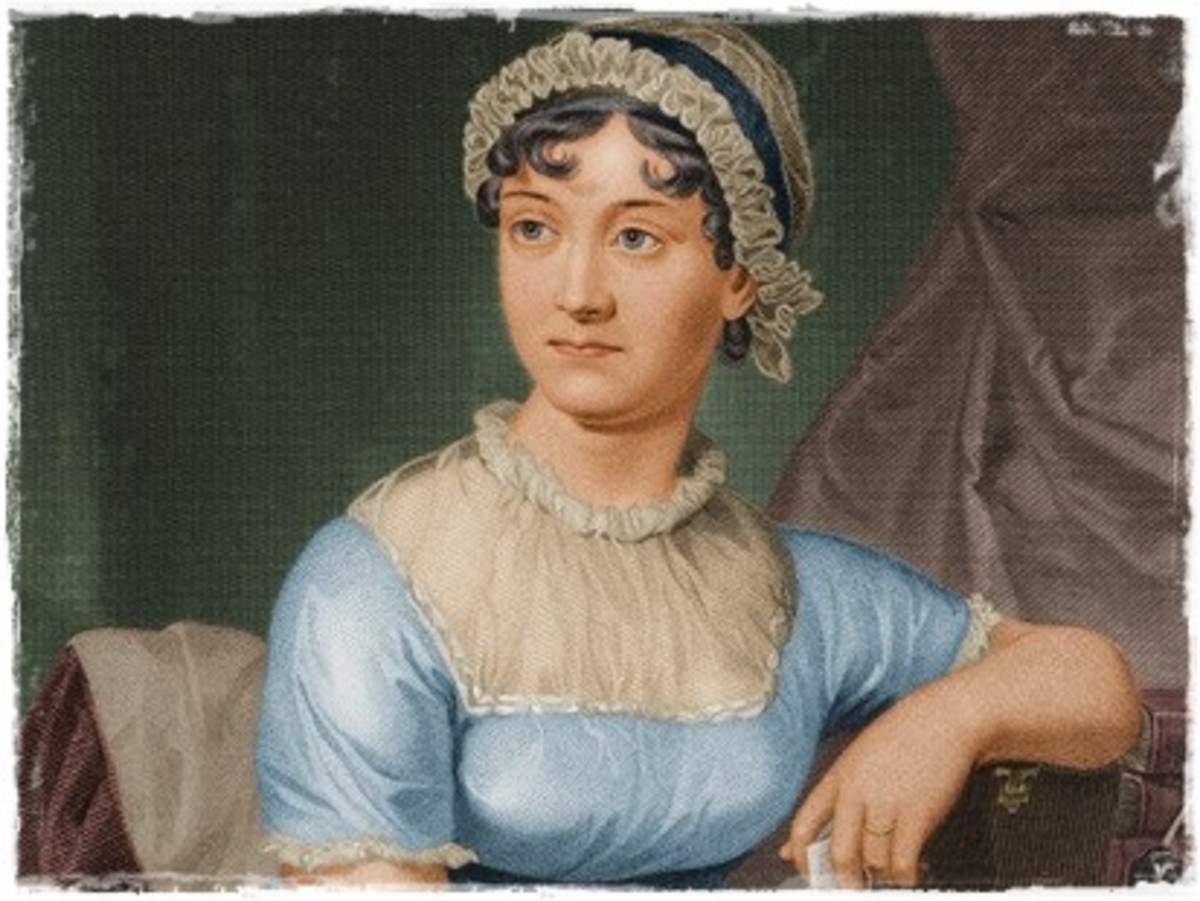
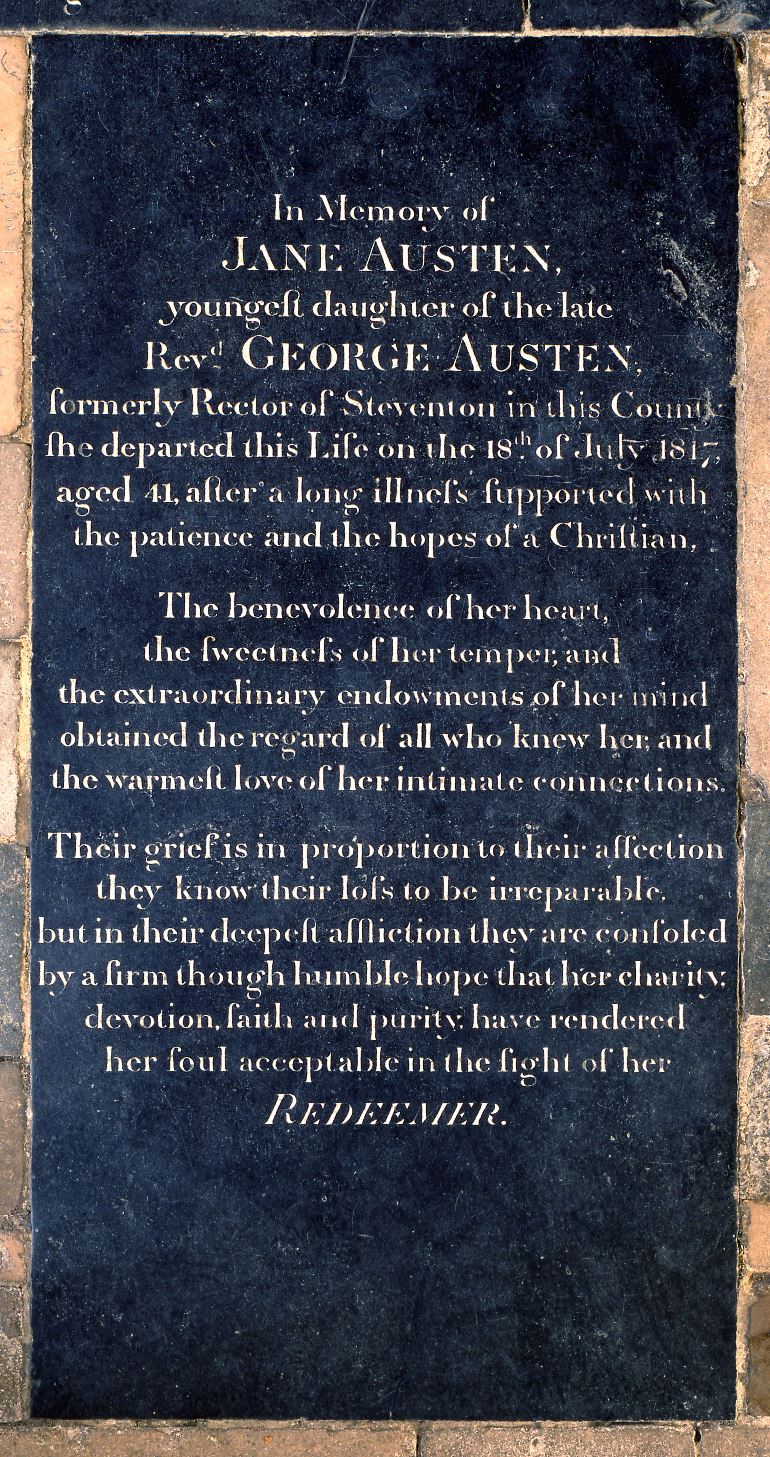
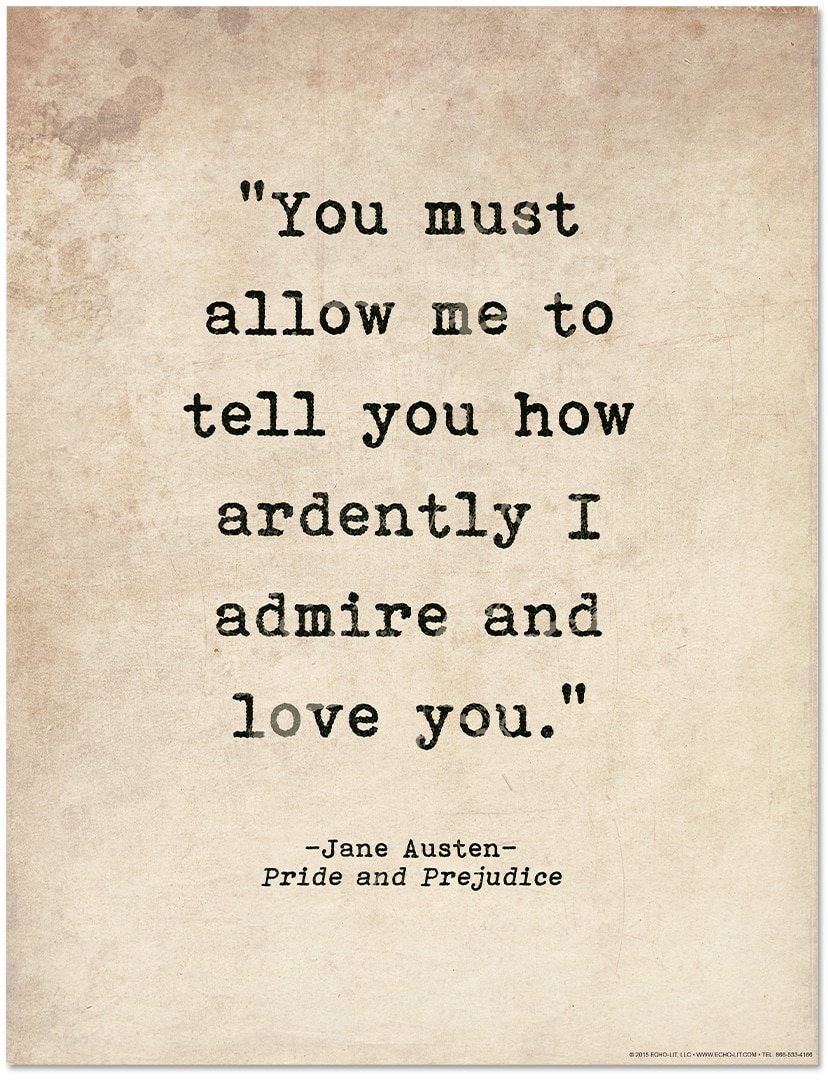 Perhaps blogs on Jane Austen’s life are unoriginal, seeing how often she is touted as a great literary genius. We would like to add our own to the fold, since a) it is kind of shocking we have gotten away with not writing blogs on the lady for so long, and b) we love to love Jane Austen. Austen’s literary genius comes from her impeccable representations of English mannerisms, her wit, her clever dialogues, and her respected portrayals of young women in Regency England as she slowly but surely added to the transition of English Literature to 19th century realism.
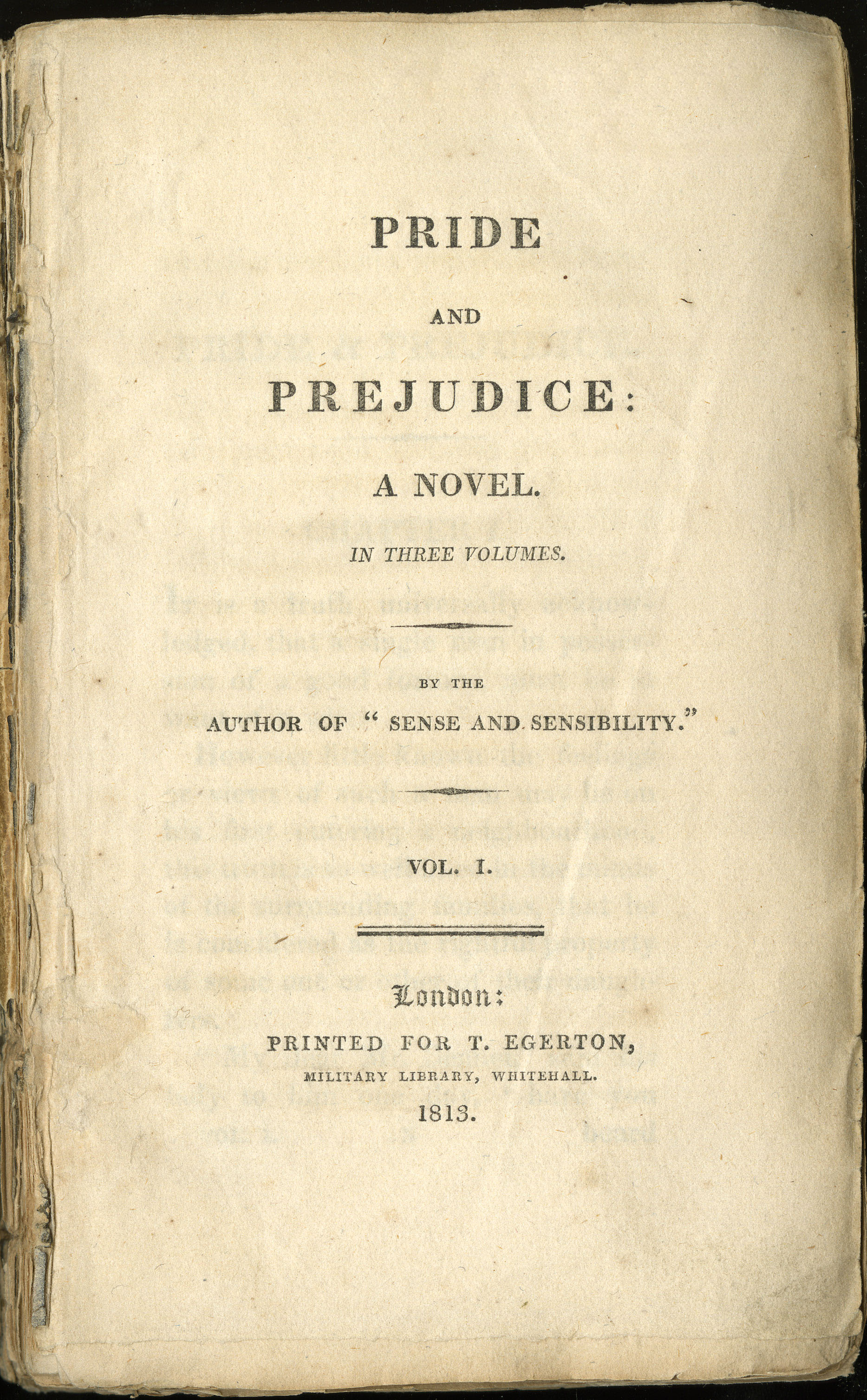 Between the ages of 18 to 20, Austen wrote a short epistolary novel known as Lady Susan (not published in her lifetime). The plot of Lady Susan deals with a manipulative and seductive protagonist who uses charm and flirtation to get what she wants out of men, and is significantly different from any of Austen’s future novels. Throughout her twenties, Austen had several flirtations (mainly Tom Lefroy and an almost terribly matched marriage to Harris Bigg-Wither), but no one stuck. The marriage to Bigg-Wither could have provided her family with financial ease and freedom, but Jane refused to marry for money rather than love (a theme seen in so much of her writing), so rescinded her acceptance of the proposal. (You go, girl.) During her twenties she began the novels Susan, Elinor and Marianne and First Impressions – novels which would eventually turn into Northanger Abbey, Sense and Sensibility and Pride and Prejudice.
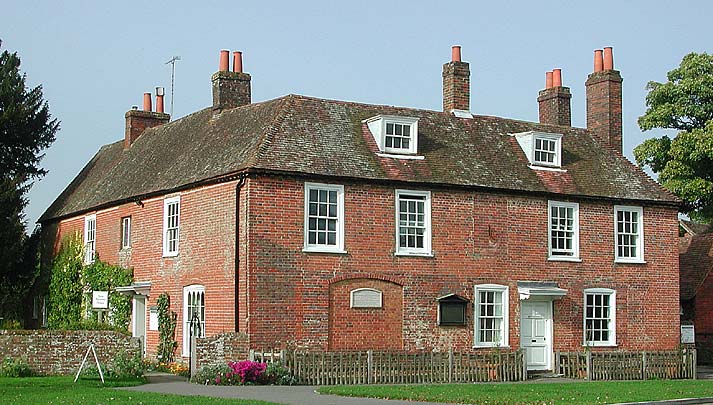 The early 1800s were a tumultuous time for the Austen family, as with her father’s sudden death in 1805 her sister, mother and her were left on the charity of their brothers and other extended family members. The ladies moved around the countryside often, until finally in 1809 being offered a cottage in Chawton by Austen’s elder brother, Edward. If is here that Austen perfected and wrote more novels, at a relatively quick pace. This was seemingly due to quiet country life, with fewer distractions and more time to focus on her skill. Sense and Sensibility was published in 1811, Pride and Prejudice in 1813, Mansfield Park in 1814, and Emma in 1815. These novels, though published anonymously “By a Lady” were favored and popular during their time. Though they brought her rather little fame or money, she was known and by the 1830s she would become a household name.