This week is Children’s Authors and Illustrators week! In honor of the writers and artists who helped shape our lives, and will continue to shape the lives of children all over the country, we’d like to bring some awareness to five of the most beloved, or most inspirational, award winning children’s books of all time. (Along with hefty advice to immediately run out and read all three!)
**
**
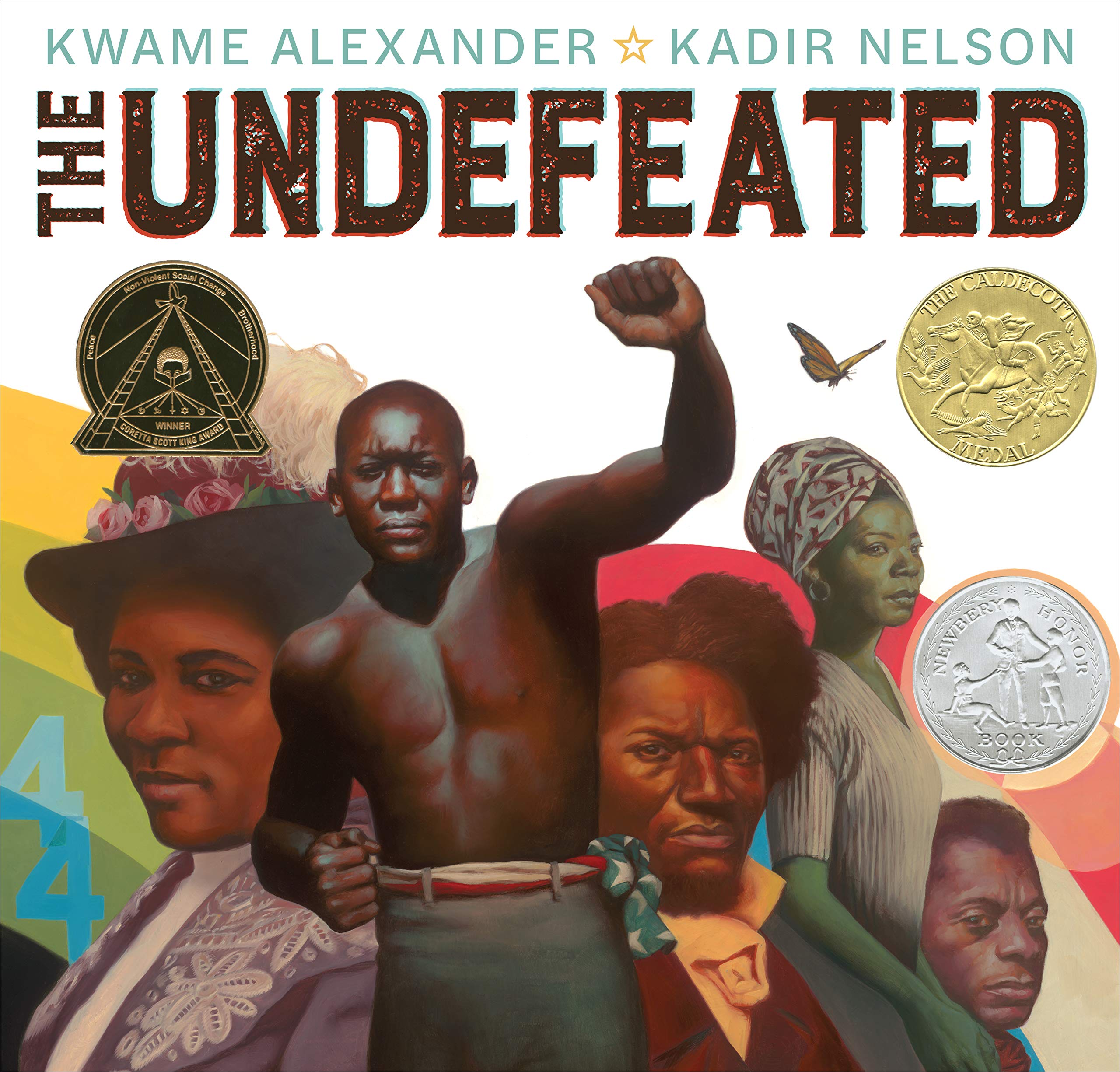
The Undefeated by Kwame Alexander and Kadir Nelson
We begin our list with the 2020 sweeper (as it has already won the 2020 Caldecott Medal, is a Newbery Honor Book, and winner of the 2020 Coretta Scott King Illustrator Award) – The Undefeated by Kwame Alexander and Kadir Nelson. This poem highlights the reality of slavery and its traumas – the power of the civil rights movement and “determination of some of our country’s greatest heroes” (redtri.com). “Kids will not only get deeper insight into an integral period of our nations history but learn the words of change makers like Martin Luther King, Jr. and Gwendolyn Brooks.” This book, intended for ages 6-9, will no doubt change the worlds of many – as it should us all.
**
**
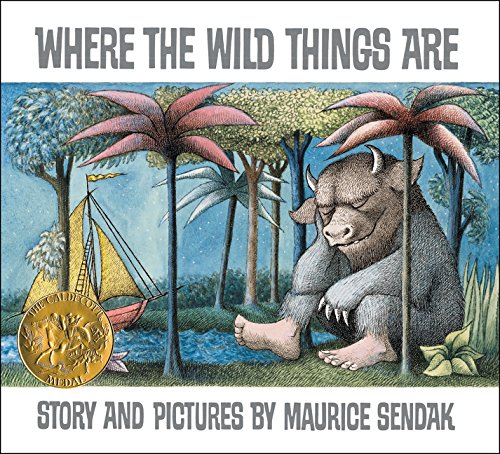
Where the Wild Things Are by Maurice Sendak
How could we ignore a classic like Where the Wild Things Are by Maurice Sendak? Originally published in 1963, the title won the Caldecott medal for its illustrations in the following year. And who could blame the decision committee? The book’s striking illustrations will stay with most of us for the rest of our lives. It has since been adapted for the stage and the screen, but we think we speak for us all when we say that the original is our personal favorite.
**
**
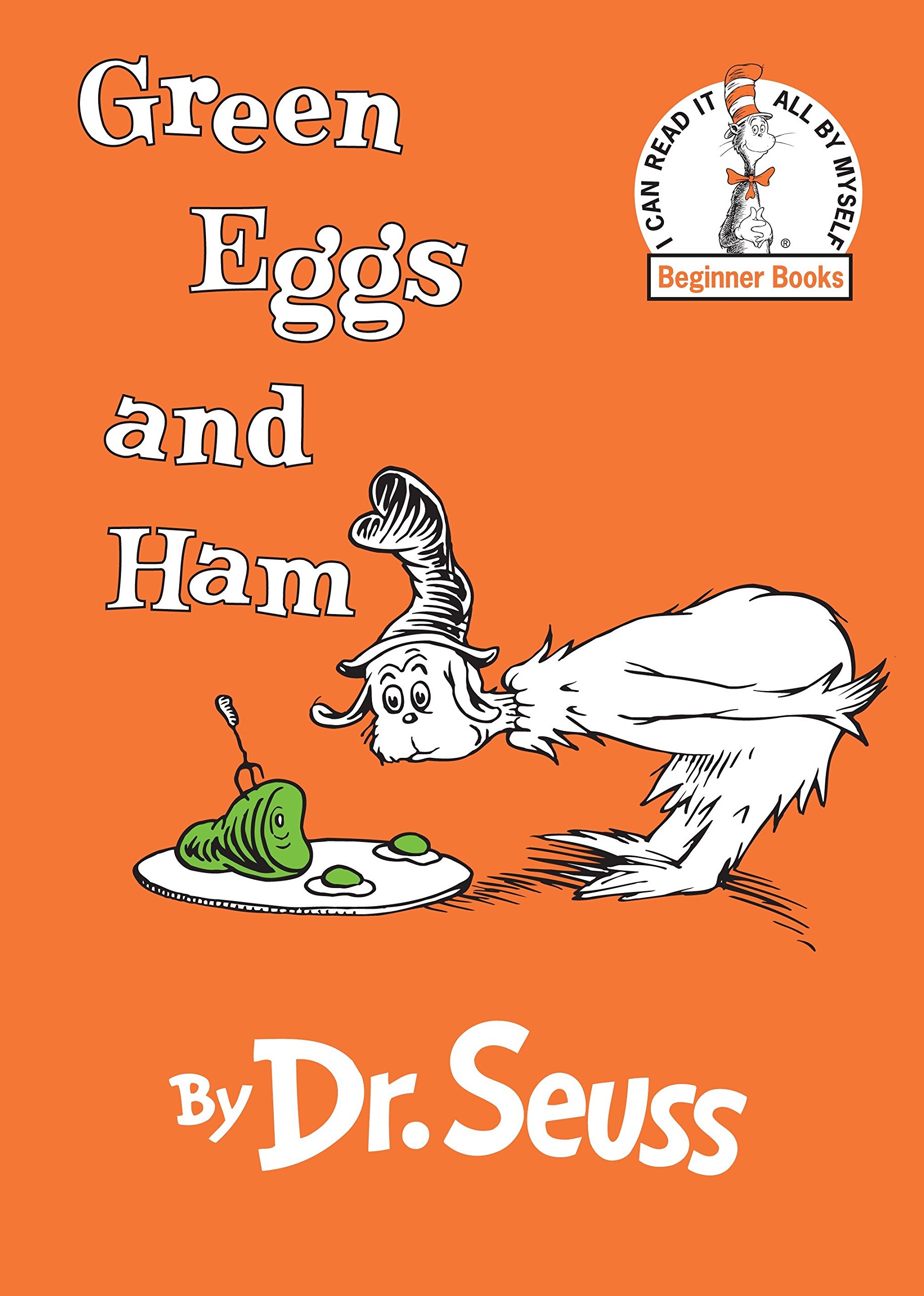
Green Eggs and Ham by Dr. Seuss
It is hard to choose a single Dr. Seuss title to add to our list, as so many are household names (at least here in the United States). We choose Green Eggs and Ham because it is considered one of the best-selling children’s books of all time. In fact, though published in 1960, at the turn of the 21st century the book was still considered one of the top 4 children’s books of all time. We attribute this to the catchiness of Seuss’ phrasing, the typically colorful and fun illustrations, and the fact that it has single handedly taught entire generations how to say no to food they hate. Oh wait… was that just my own experience?!
**
**
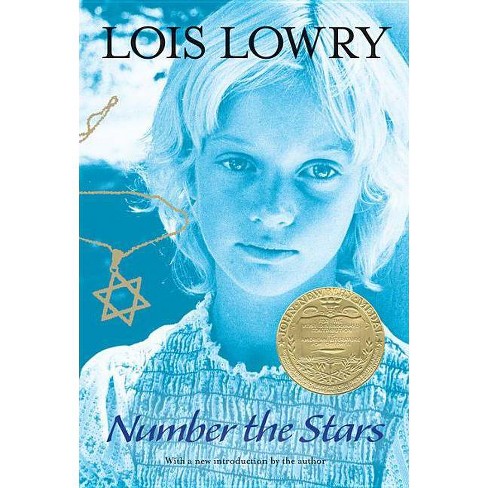
Number the Stars by Lois Lowry
Number the Stars is a historical work of fiction detailing the lives of ten-year-old Annemarie Johansen and her best friend, Ellen Rosen in Nazi Denmark. This gripping tale follows the escape of Ellen and her family from Denmark, as Ellen poses as Annemarie’s late older sister in a terrifying and emotional ordeal. Not only does this story pull you in, it also serves to educate our youth on the Holocaust. It was the 1990 recipient of the Newbery medal for authorship, and we couldn’t agree more – it is one of the best.
**
**
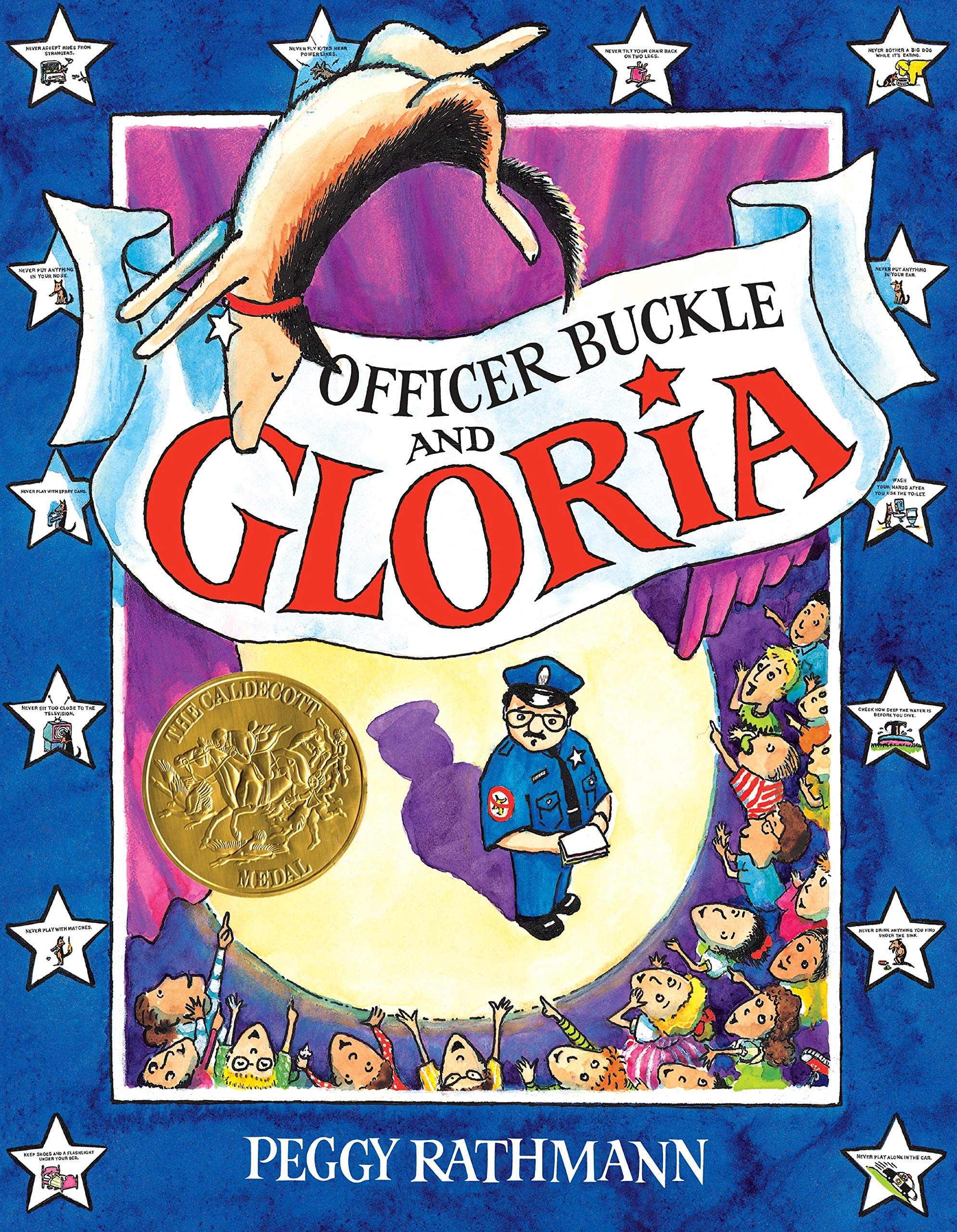
Officer Buckle and Gloria by Peggy Rathmann
Now we don’t mean to switch from one end of the spectrum to the next (serious -> funny, I mean), but our last choice has got to be Officer Buckle and Gloria – a dog tale that stole the hearts of many when it was published in 1995. The rather droll Officer Buckle goes from school to school teaching safety demonstrations to children. Unbeknownst to him, his new partner, the police dog Gloria, begins acting out the safety rules behind his back. Buckle becomes very offended when he finally realizes the reason for his success, but despite a brief break from the demonstrations Buckle learns to appreciate Gloria in all her hilarity. Honestly – it’s a hilarious tale and the winner of the 1996 Caldecott medal. Can’t argue there, can you? Check it out – we promise you won’t be disappointed!


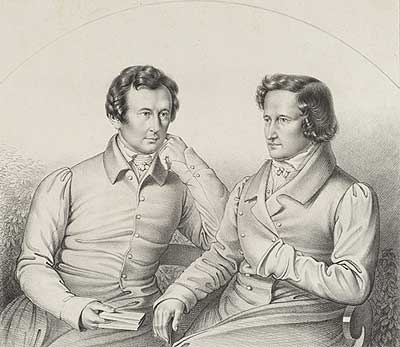 The two attended the University of Marburg together, where they tried to study law. I say “tried”, because here the brothers once again met adversity due to their reduced social status. Treated as outcasts, without the benefit of receiving financial aid or stipends as some of the wealthier students received (explain THAT one, if you can), the brothers once again turned to each other for comfort and worked hard in their studies. It was at the University of Marburg that the pair first became interested in medieval German literature and more simplistic, romantic ways of writing that the modern day seemed to have forgotten. This interest in folklore and poetry and traditional “German” culture influenced the brothers for the rest of their lives. They wished to see the unification of the over 200 principalities into a single, unified state, and spent much of their time with their inspiring law professor Friedrich von Savigny and his friends. It was through these romantics that the Grimm brothers were introduced to the literary beliefs of Johann Gottfried Herder – a German philosopher who felt that literature of the area should revert back to simplicity, and focus more on nature, humanity and beauty. The boys credited their devotion to their studies in Germanic literature and culture as a saving grace in a dark time – outcasts amongst their peers. Wilhelm himself wrote, “the ardor with which we studied Old German helped us overcome the spiritual depression of those days.”
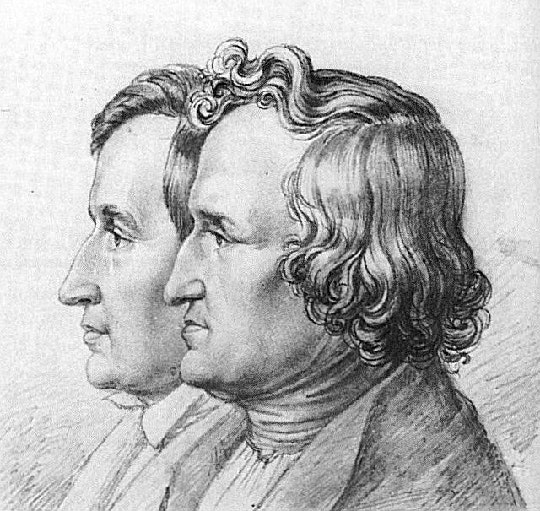 The brothers did not immediately turn to transcribing Germanic folklore for the masses. As they were solely responsible, as the oldest boys (primarily Jacob) of the family, for their sibling and mother’s livelihood (because that’s what they needed… more stress), Jacob accepted a job in Paris as assistant to his once-professor (von Savigny). On his return to Marburg he gave this post up to take a job with the Hessian War Commission. Their circumstances remained dire – as it seemed almost impossible for Jacob to support them all on his own. Food was often scarce and the brothers suffered emotionally. In 1808, Jacob found a more appropriate (to his interests) job as the librarian to the King of Westphalia, and soon after went on to become the librarian in Kassel, where the two boys had attended their gymnasium (high school, for all intents and purposes). Jacob supported his siblings once their mother passed away, and he even paid for Wilhelm to receive medical attention that year to seek treatment for respiratory problems. After Wilhelm’s recovery, he joined his brother as a librarian in Kassel.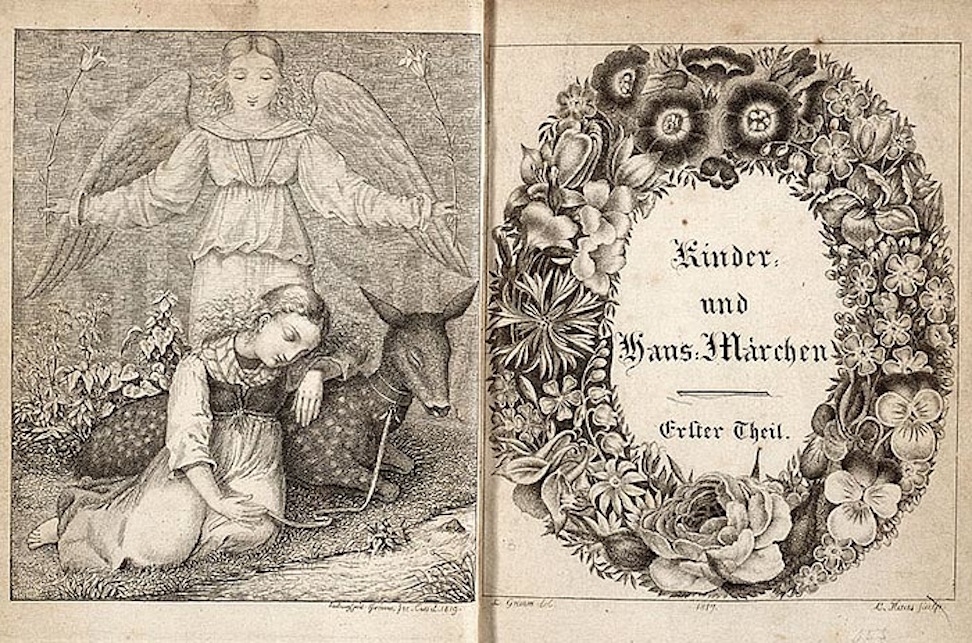
 After being slighted for a job promotion, the brothers eventually moved to Göttingen where they became professors of German studies at the University (Jacob also as head librarian), and continued to write and publish works on Germanic folklore, mythology and country tales for a few years. The brothers moved to Berlin in their later years, working at the University of Berlin and also editing their German Dictionary, which would become one of their most prominent works.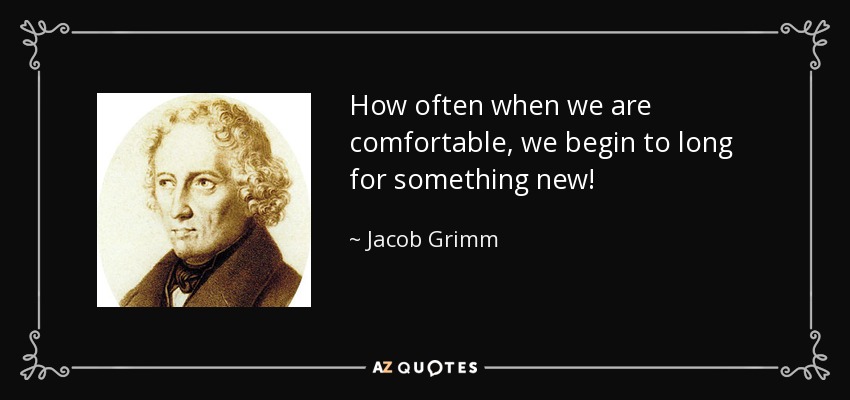
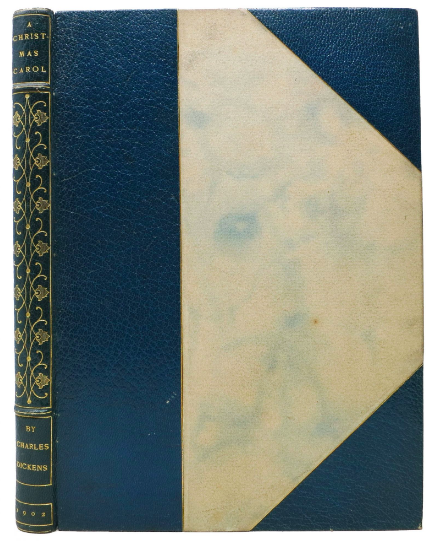

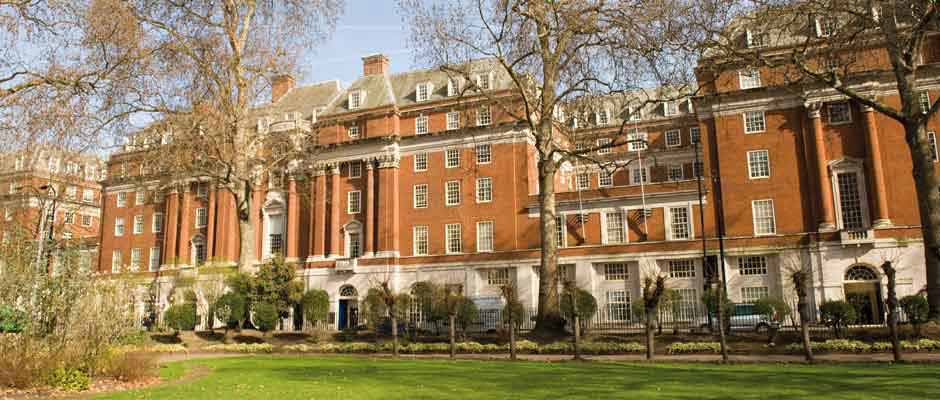
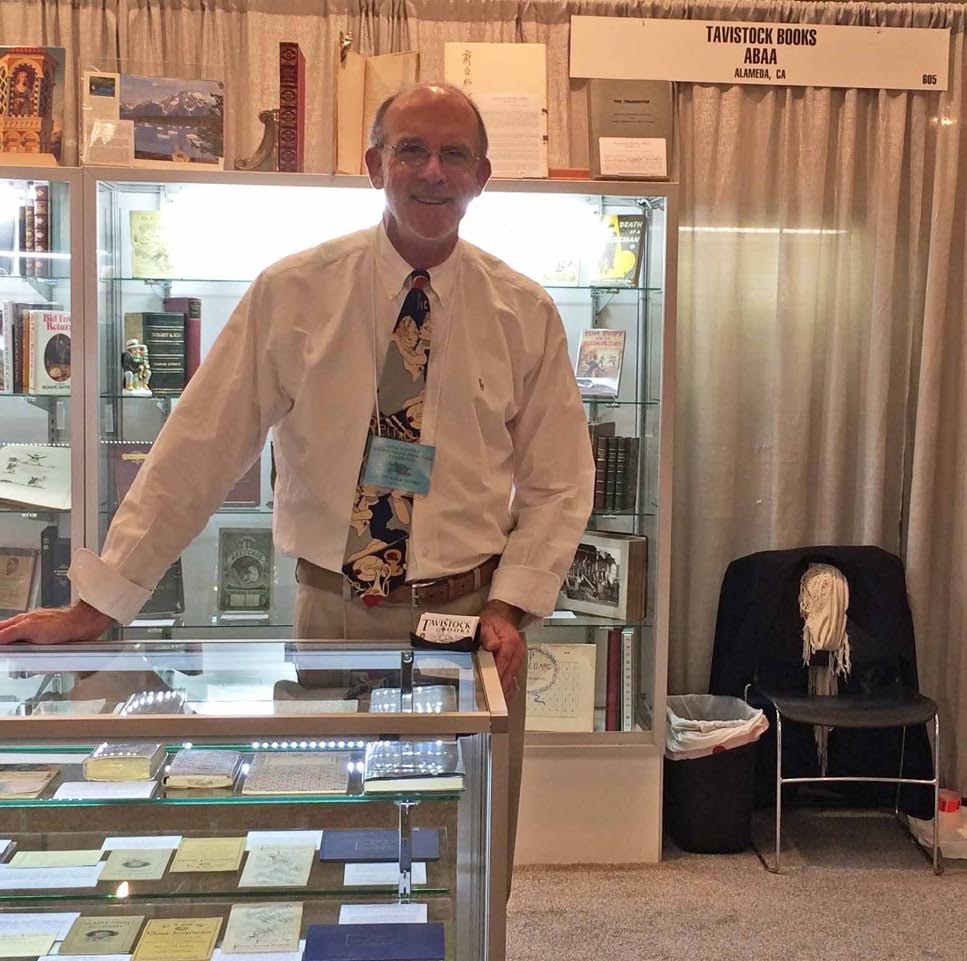
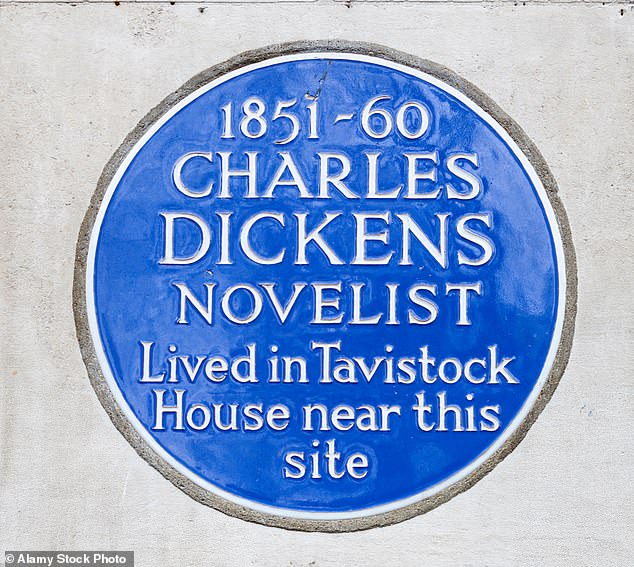 Yes, over the years, I’ve often been referred to as “Mr Tavistock”, but the name actually, rather than being my surname, has a [small] Dickens connection…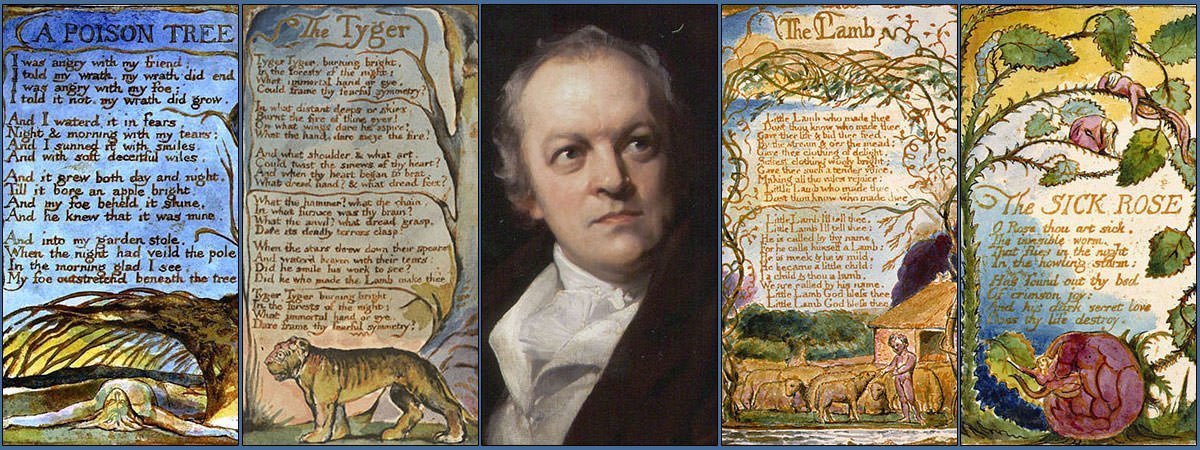
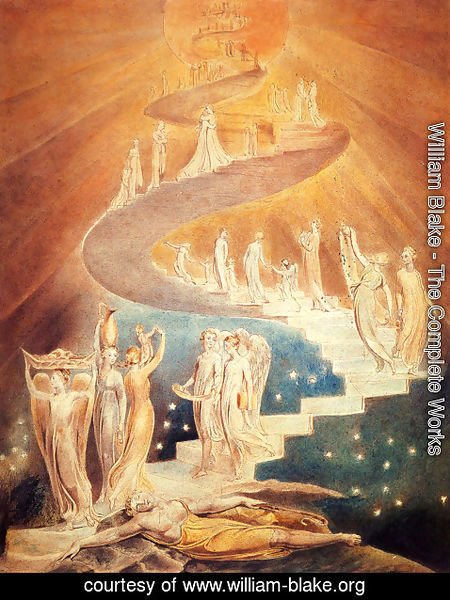
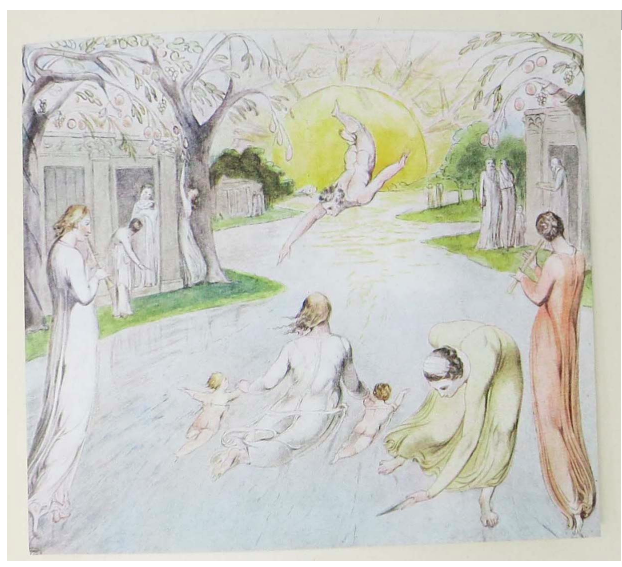
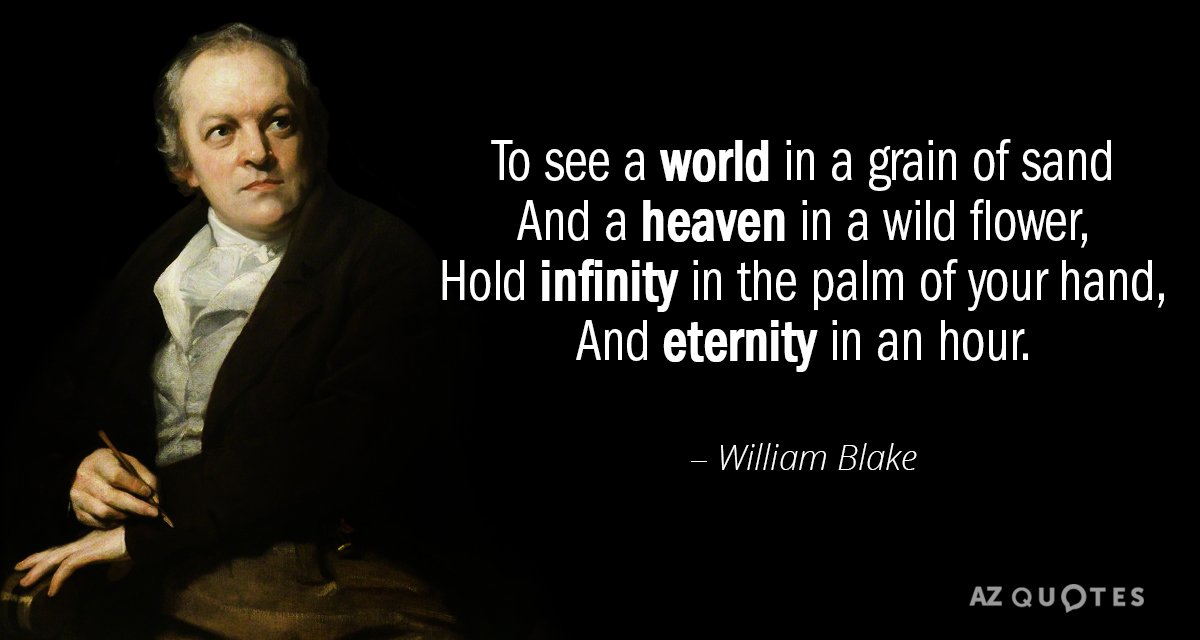
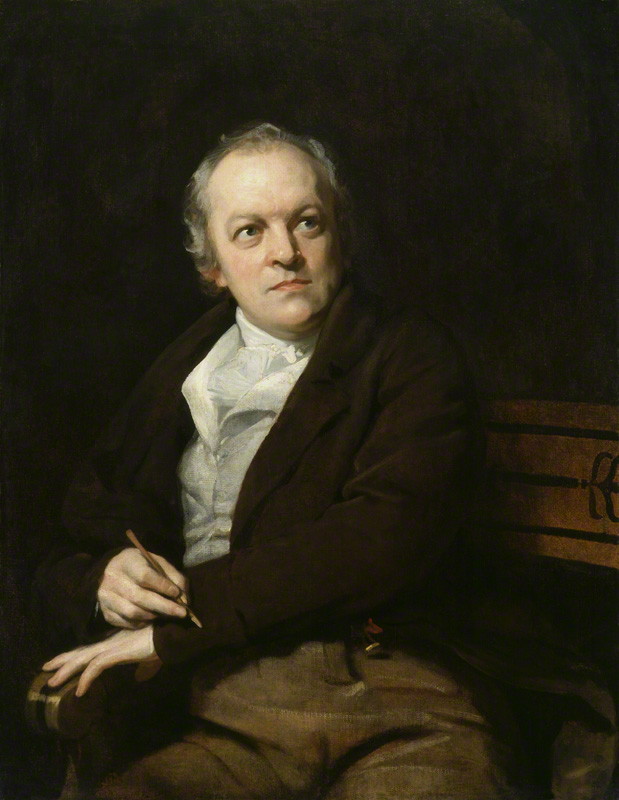 William Blake was born on November 28th, 1757 in Soho, London. He was the third of seven children (though two of his siblings died in infancy). Though his family were English dissenters, it did not stop Blake from being baptized and having a thorough biblical education – knowledge which would prove to be quite inspirational in his work later in life. Blake’s artistic side surfaced when he began copying drawings of Greek antiquities given to him by his father. It was through these copies that Blake was first introduced to works by Michelangelo, Durer and Raphael. By the time Blake was ten he had completed his formal education and was able to be sent to a drawing school in The Strand – where he not only read and avidly studied the arts but also made his first foray into poetry.
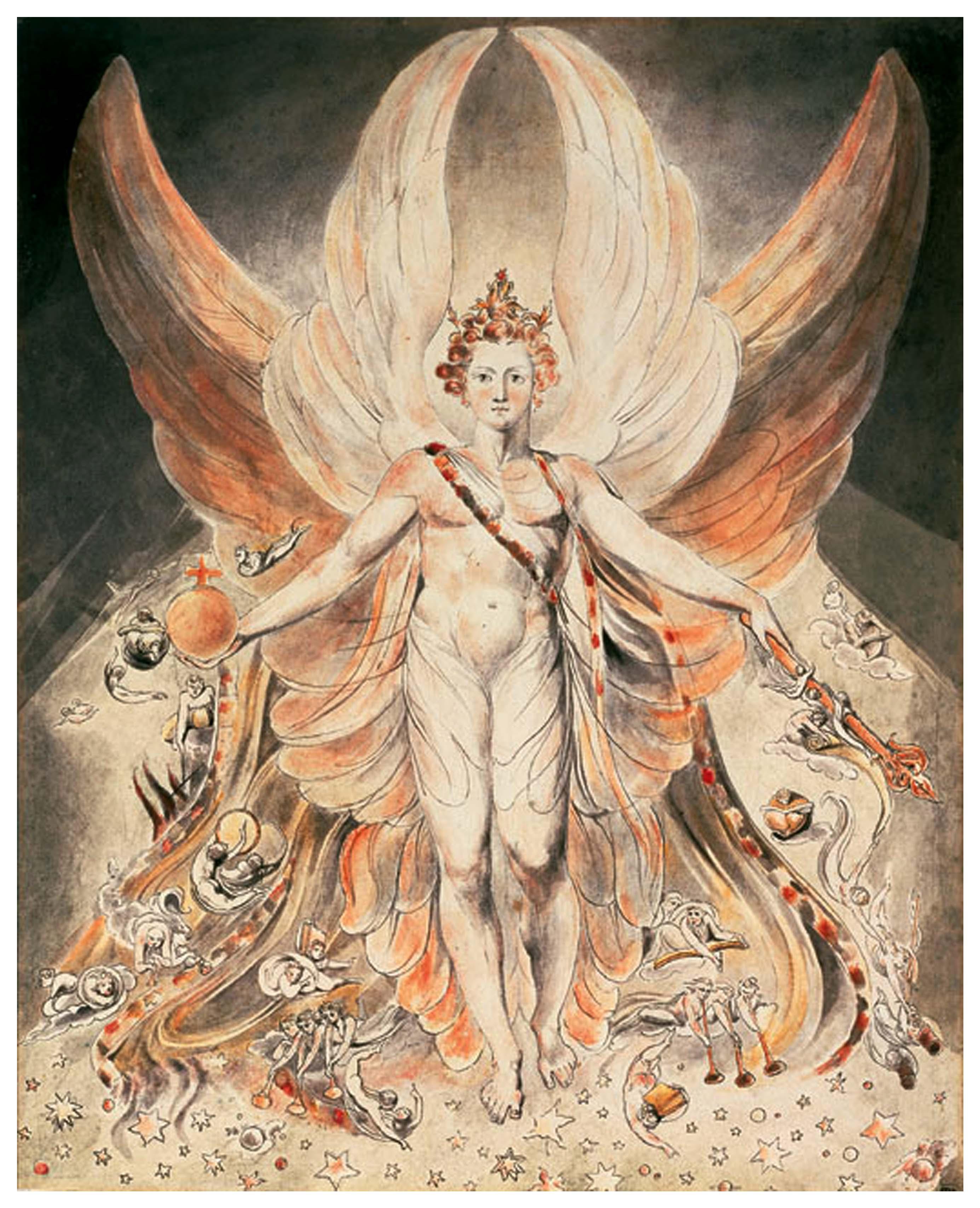 At the age of fifteen, Blake was apprenticed to an engraver in London and upon his completion of his apprenticeship became a professional engraver at twenty-one. The following year, Blake became a student at the Royal Academy where he studied over the years and submitted works for exhibition. Though he disagreed with the views held by the headmaster of the time and favored more classical art rather than the popular oil paintings of the age, Blake used the years to make friends in the art world and perfect his own skills. He printed and published his first collection of poems, Poetical Sketches, around 1783, and opened up his print shop with fellow apprentice James Parker in 1784. Blake began to associate with radical thinkers of the time – scientists, philosophers and early feminist icons like Joseph Priestly and Mary Wollstonecraft. Blake spent the 80s experimenting with different kinds of printing, finally moving onto relief etching in 1788. Relief etching (also called illuminated printing) would be a medium Blake would continue to use in printing his works throughout his life. In this medium, color illustrations were able to be printed alongside text. Blake has become well-known for his illuminated printing, but throughout his life he was also known for his intaglio engraving – a more standard process of engraving at the time.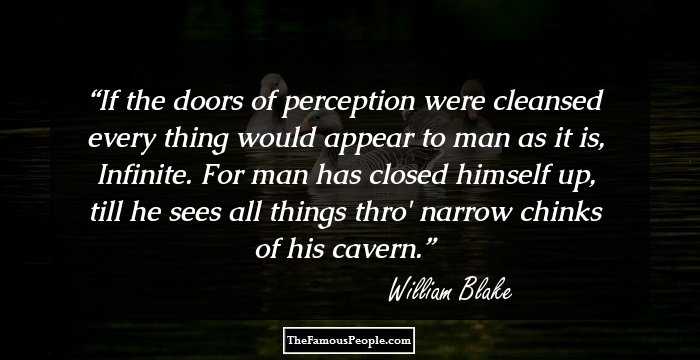
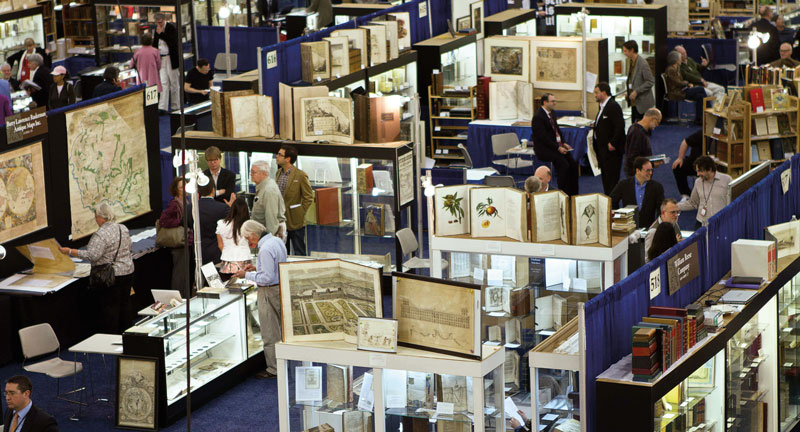
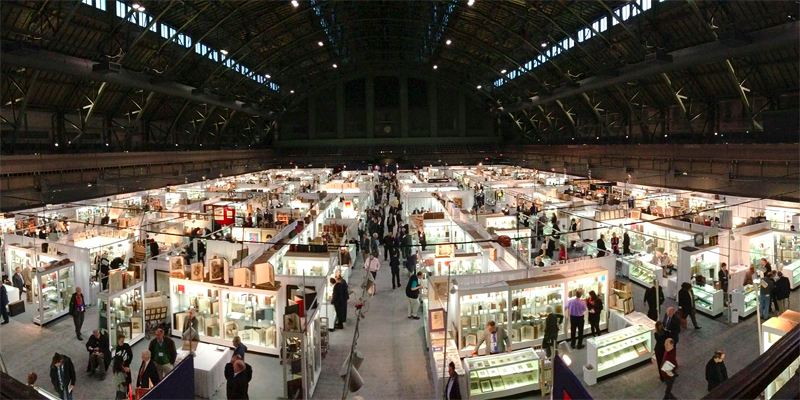
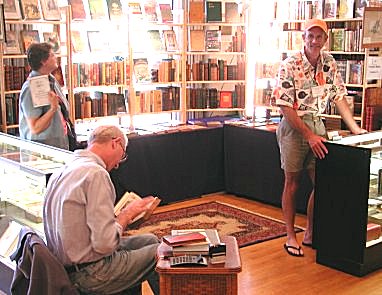 When I started doing fairs back in the early 90s, book fairs were an opportunity for collectors to see a bunch of material they may not otherwise have access to.