“I curse thee! let a sufferer’s curse…
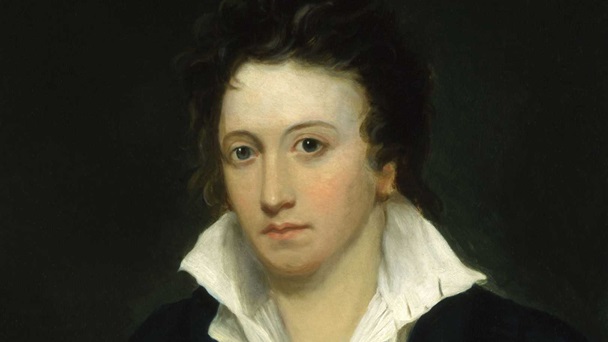
Ahh, if only we all possessed the ability to curse our enemies in such a romantic tongue. Alas, we do not and we must leave that beautiful power to those who truly deserve it. On this day, we honor poet Percy Shelley – one of the most famed English Romantic poets and author of Prometheus Unbound – from which the above section was unabashedly taken.
Percy Shelley was born on the 4th of August, 1792 in a small village in West Sussex. He was the oldest of 7 children, and seemed to always run a bit wild! He left home to be educated formally at the age of 10, and at 12 enrolled in Eton. Unfortunately Shelley was heavily bullied at Eton College, and while such behavior is never requested it certainly seemed to help build Shelley’s inner imagination up and he began writing at a young age. At 18 he began his studies at University College, Oxford. Shelley excelled academically at the start, but after just a few months was expelled after writing a pamphlet promoting atheism with another student and refusing to confirm or deny his authorship in it (which in and of itself is kind of a confirmation, no?). Shelley’s life was nothing but static. He experienced bouts of grave financial difficulty (his parents being unamused, to say the least, of Shelley’s difficult nature), and had what were considered extremely radical notions for the times. He believed in free love and vegetarianism. For the turn of the 19th century those were novel ideas, to say the least!

Shelley wrote to support himself after running away at 19 with a 16 year old girl that his parents had expressly forbidden him to see. The couple were happy for only a short period of time, however, as Shelley was quickly bored by Harriet and his conceptions of free love kept him from the marriage bed. Shelley was eventually able to boast a mentorship from one of his political and philosophical idols – William Godwin – where Shelley discovered both his own political radical ideology and Godwin’s daughter, Mary. Mary Godwin was the daughter of a powerful political and intellectual duo, being begot of Godwin and Mary Wollstonecraft. Mary turned Shelley’s world upside down and the two fell deeply in love, risking family disinheritance to be together. The two, along with Mary’s sister Jane, fled their homes and lived as vagabonds, traveling around England and Europe (often by foot) for over three years. By the time they returned, Shelley’s wife Harriet had had enough and had filed for divorce.
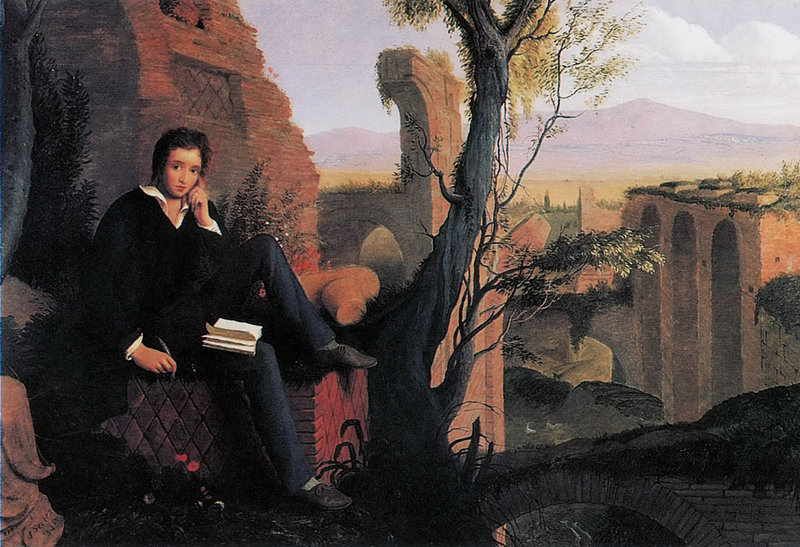 In the summer of 1816, Shelley befriended one of his first powerful and influential authors – Lord Byron. Percy and Mary spent a season with Byron in Switzerland – the summer ended up being one of the most important of Shelley’s life. Byron helped inspire the young radical, and Shelley wrote his romantic poem Hymn to Intellectual Beauty after an afternoon with Byron. It was during this summer, funnily enough, that Byron’s guests and friends were inspired to have a horror write-off. This writing competition of sorts was the inspiration behind Mary Shelley’s Frankenstein. Upon their return to England at the end of the year, it was discovered that Shelley’s wife, Harriet, had committed suicide. As unfortunate as the event was, it incited Shelley and Mary to finally marry. The two settled in a small hamlet in Buckinghamshire, where they befriended poets John Keats and Leigh Hunt – both of which would prove to be invaluable friends to Shelley in his last years. It was in these years that Shelley wrote and published a bulk of his most well-known works, including The Revolt of Islam and Prometheus Unbound, the latter of which is widely considered to be his most beloved epic work.
Sadly, Shelley would not live to see his work widely recognized, as he died when his boat capsized in a storm just shy of his 30th birthday. As was the custom, Shelley was buried in the sand on the beach where he washed up for one month before being dug up and burned on a funeral pyre. It is said that his heart refused to burn – and that his friend Leigh Hunt retrieved it from the ashes and gifted it to Mary Shelley – who kept it in a writing case wrapped in silk for the rest of her days. Oh, what a terrifying thought!

Shelley’s young works showed all the aspects of the talented writer that he was, if only he had been able to live longer and reach his full potential. But as Shelley once said, we must “fear not for the future, weep not for the past.” Well said.

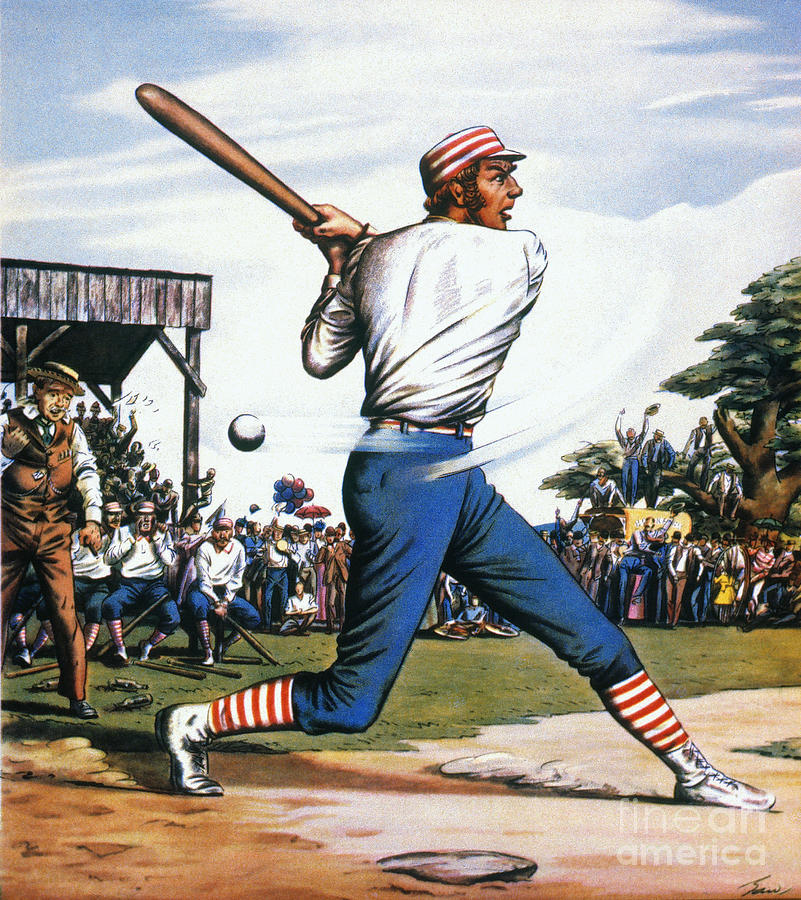
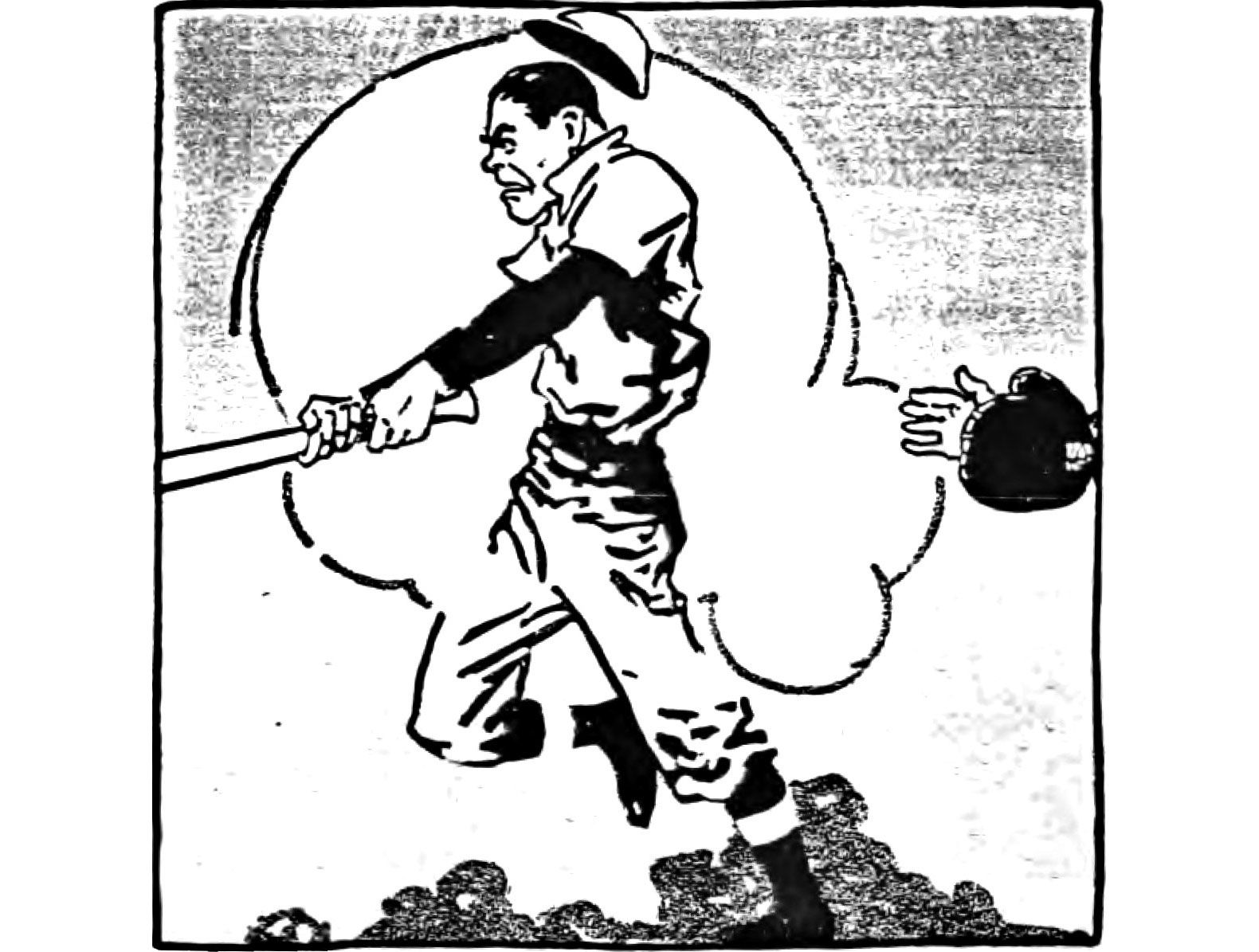
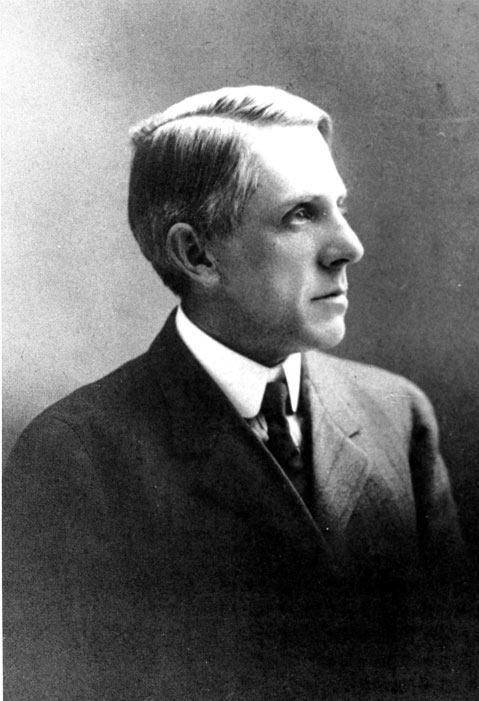 Ernest Thayer was a Harvard educated author, who began working at the age of 24 as a humor columnist for The San Francisco Examiner. On June 3rd, 1888, the elusive author “Phin” published a poem that would become a backbone of both American poetry and baseball. Thayer did not receive credit for the poem for several months (as he was not a boastful man), and when he finally did he was surprisingly close-lipped about it all. He never revealed whether he based the game or the character of Casey on a real player, though many have put forth possibilities.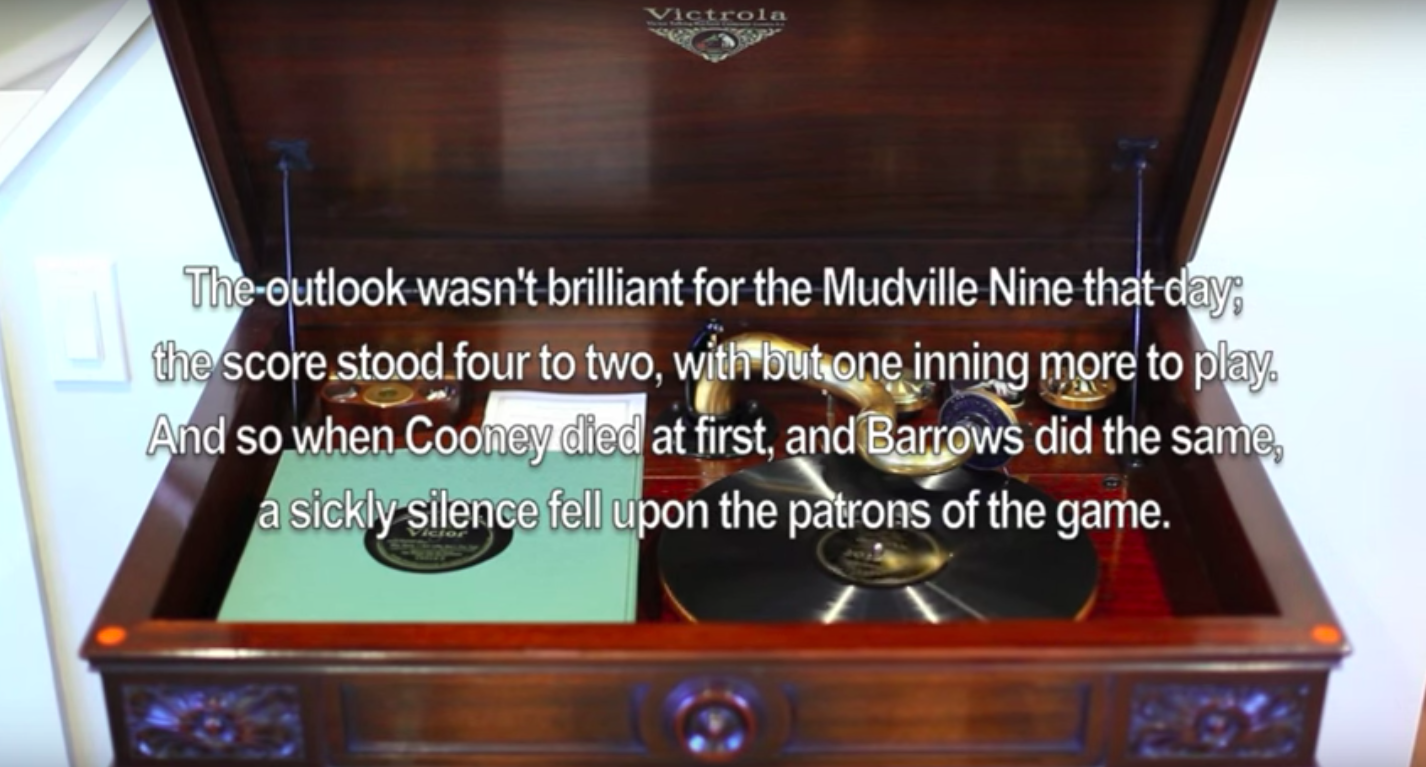
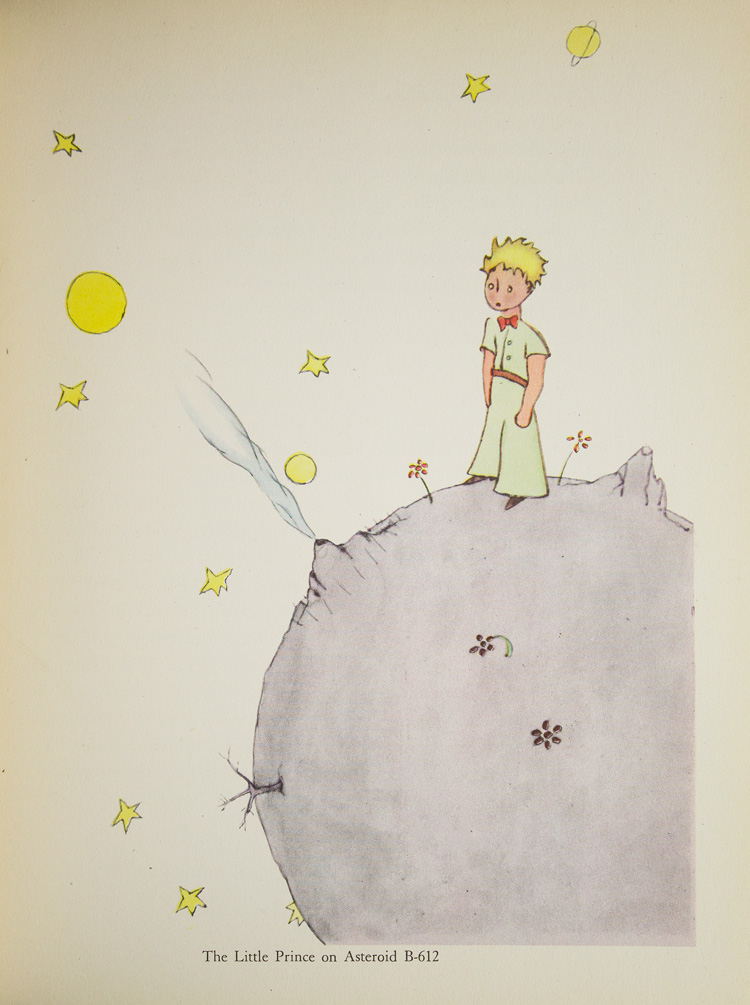
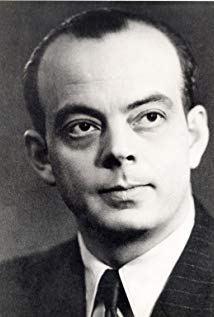 So said the Little Prince – an absolutely beloved character in the canon of Western Literature. Antoine de Saint-Exupéry wrote this story, a children’s story on the outside and a very adult study of human nature and morality on the inside. Saint-Exupéry, a French national, had fled Europe at the onset of World War II and wrote much of his tale during his 27 week stay in North America and Canada. Now normally we would do a blog on Saint-Exupéry’s life story and how he came to write such a popular and precious children’s tale, but today we are speaking of a specific day in this author’s life… the day he disappeared from the skies.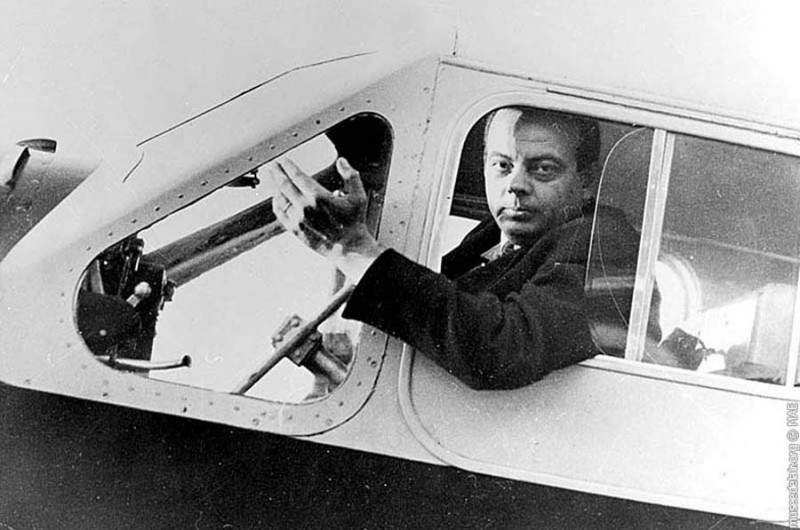
 Unfortunately,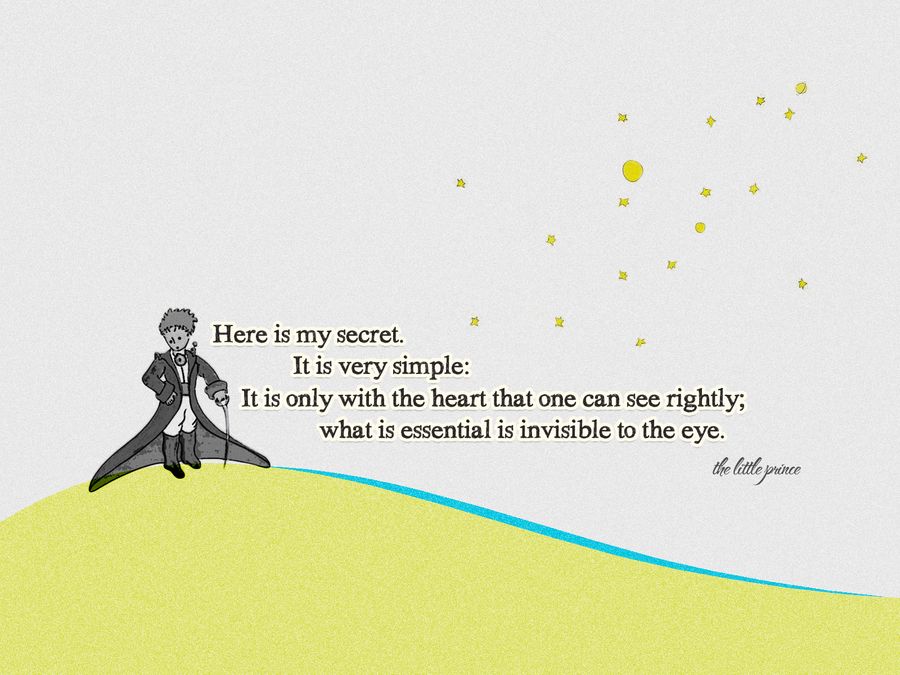

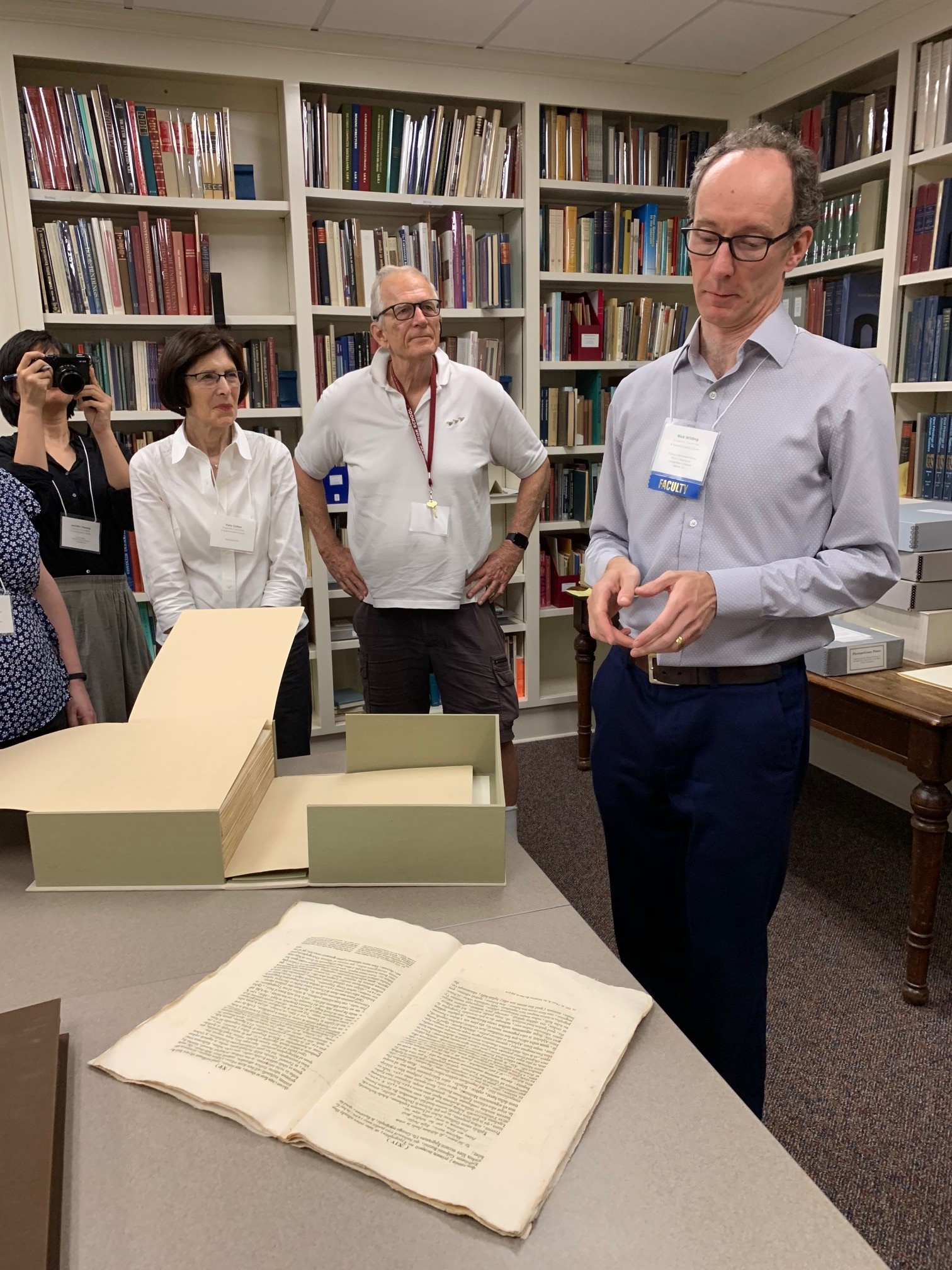
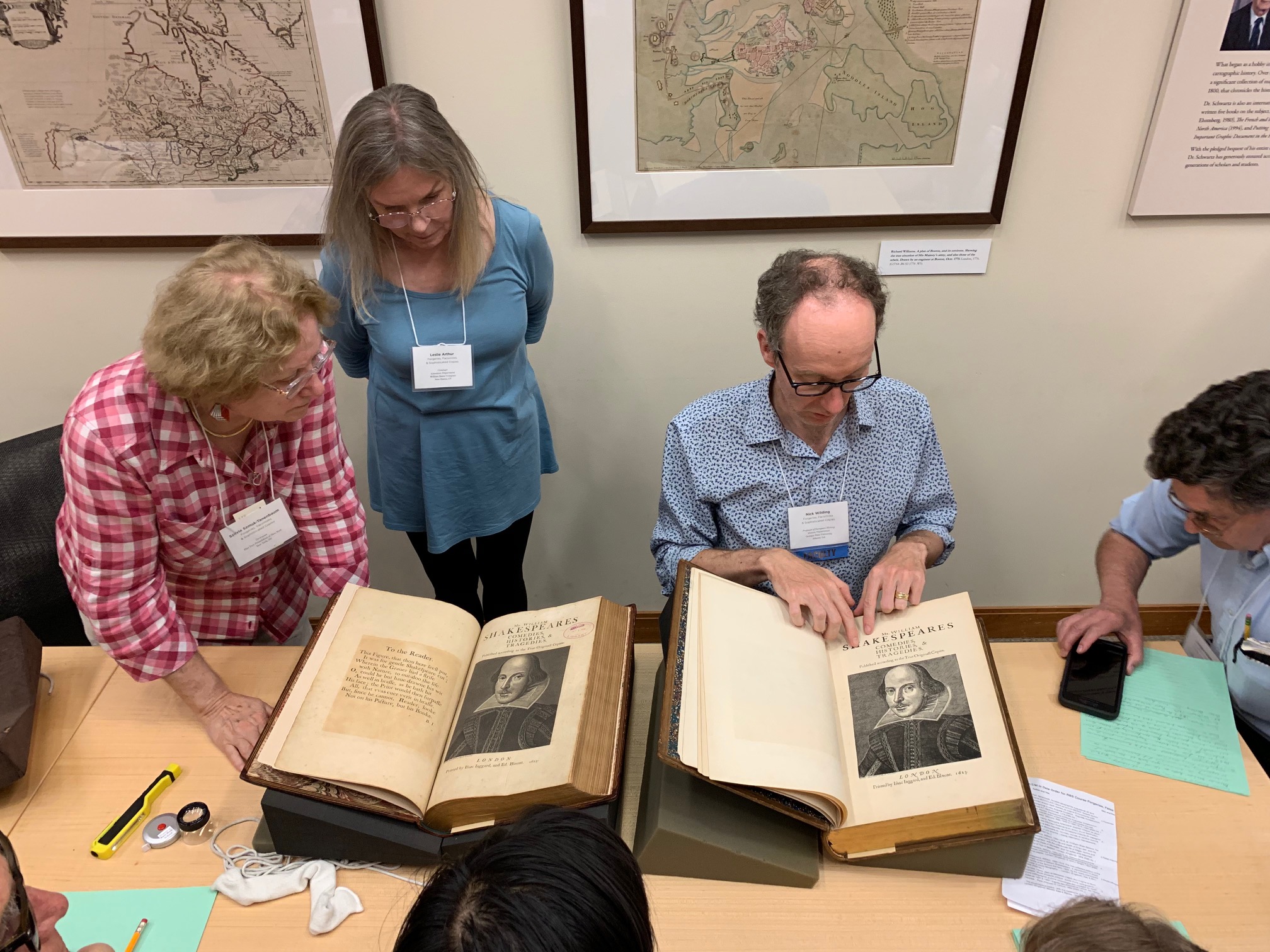
 For those new to RBS, things kick off Sunday afternoon, 5ish. There’s a reception, a Michael Suarez welcome speech & restaurant night. The latter an opportunity for ~ 10 students to share a meal at one of the local ‘Corner’ restaurants, in my case, Lemongrass Thai. Wonderful food, wonderful company!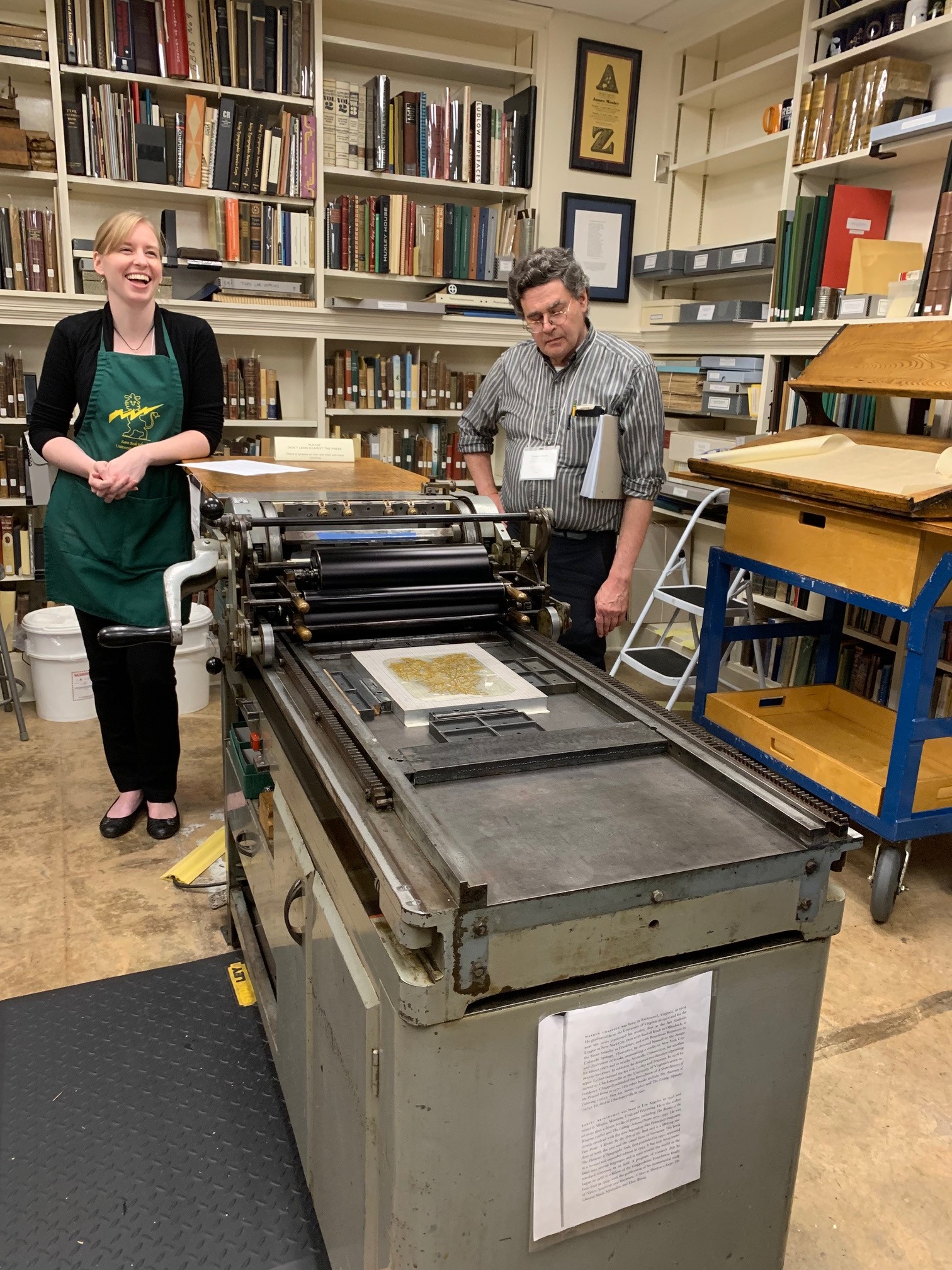

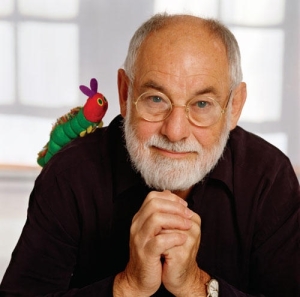 Eric Carle was born on June 25th, 1929 in Syracuse, New York, but his family originally being from Germany they moved back there and he was educated in art in Stuttgart. His father was drafted into the German army at the beginning of WWII, and eventually taken prisoner by Soviet Forces. Carle himself was also conscripted by the German government at the age of 15 to spend time with other boys his age building trenches on the Siegfried Line. Throughout all this time, Carle dreamed of returning to the United States, and finally, upon turning 23 he moved back to New York City with only $40 to his name. Carle was able to land a job as a graphic designer at
 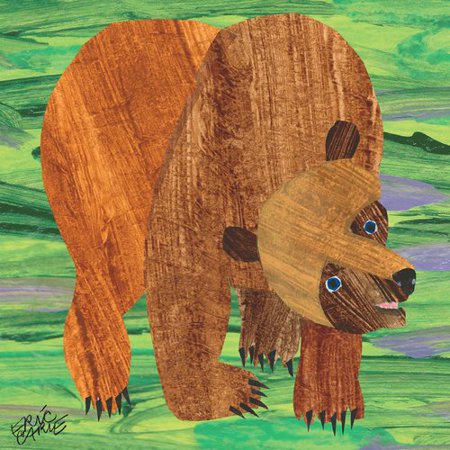 It was at this agency that author Bill Martin Jr. spotted a lobster Carle had drawn for an advert illustration and Martin decided to ask Carle to collaborate with him on a book for children – the result of which is one of Carle’s best known works… Brown Bear, Brown Bear, What Do You See? was published in 1967. The book was an immediate success for Martin (who authored the story) and Carle, and in relatively short time it became a best-seller. This popularity jump-started Carle’s career in books, and within just two years he was both writing and illustrating his own.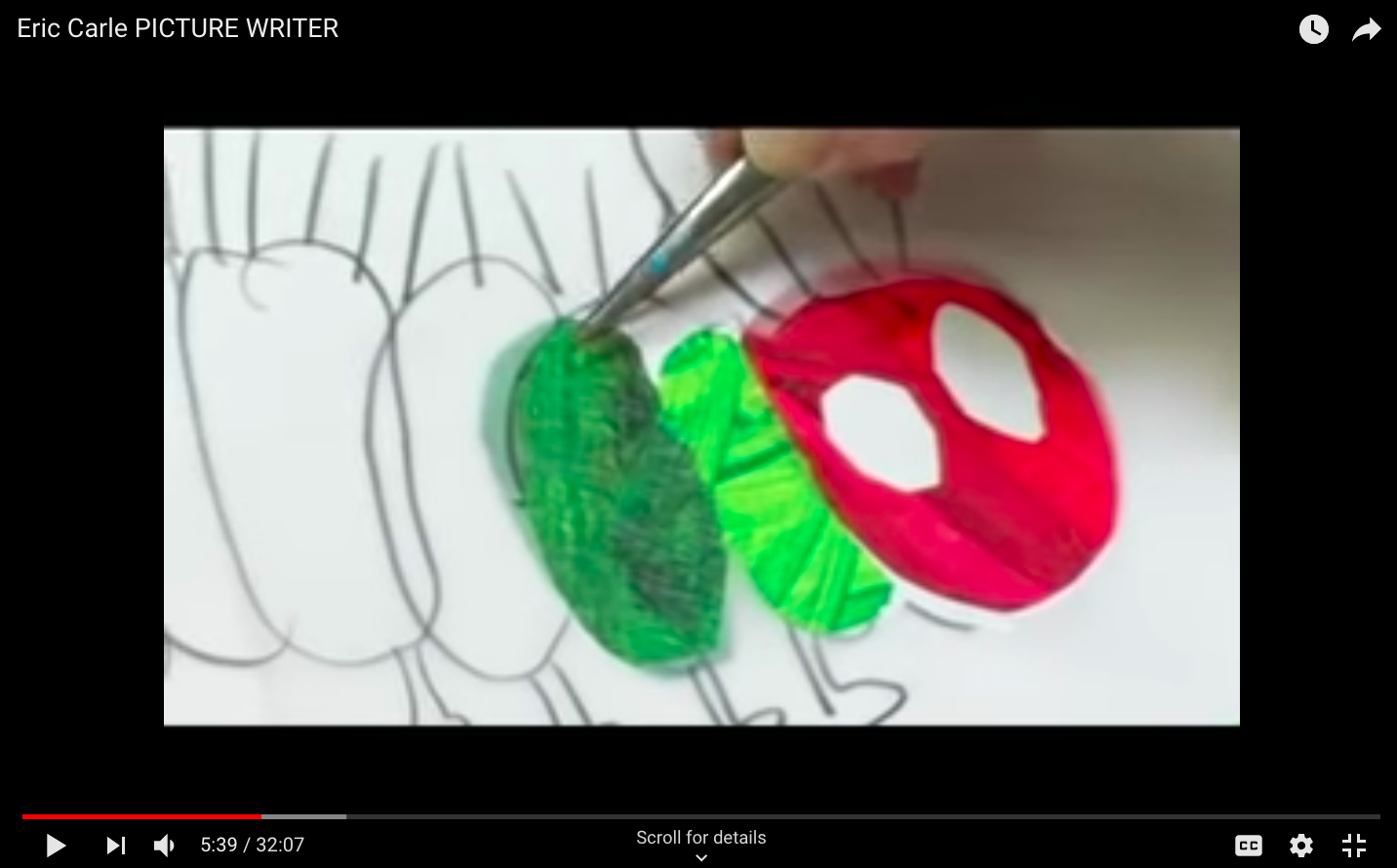



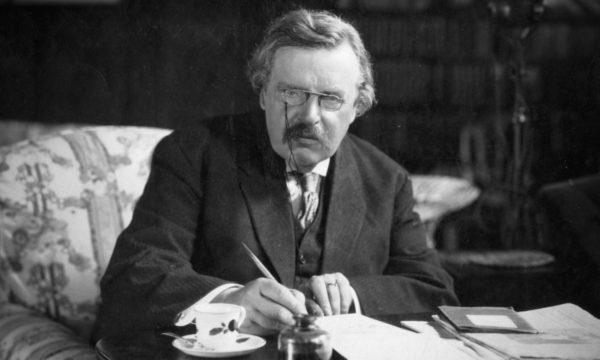
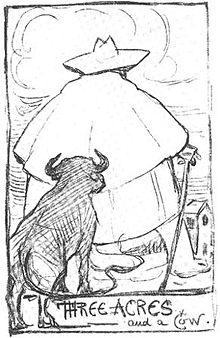
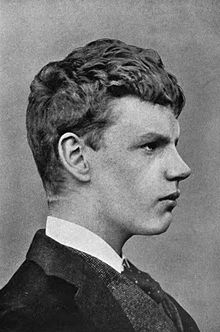 Gilbert Keith Chesterton was born on May 29th, 1874, in Kensington, London. His childhood is not elaborately researched, but we do know that he was born to a family of Unitarians, and as a young man was interested in the occult and regularly played (or practiced) with a Quija board with his younger brother (and only sibling) Cecil. He was educated at St. Paul’s School in London, but instead of continuing on to a university as you might have expected, Chesterton attended the Slade School of Art in London – in hopes of eventually becoming an illustrator. Though at Slade Chesterton took lessons in both art and literature, Chesterton left without a degree in either!
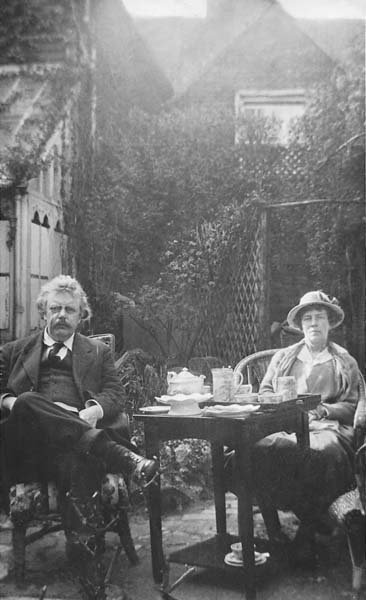 When Chesterton was 27 years old, he married Frances Alice Blogg – an author herself, who would prove to be a major influence on Chesterton’s writing and religious life throughout the years. As www.chesterton.org mentions, Frances was in charge of all aspects of Chesterton’s life – kept his schedule for him, kept house, and kept him in check. According to the site, Chesterton often “had no idea where or when his next appointment was. He did much of his writing in train stations, since he usually missed the train he was supposed to catch. In one famous anecdote, he wired his wife, saying, ‘Am at Market Harborough. Where ought I to be?’” To which Mrs. Chesterton would almost inevitably respond with “Home.” The Chesterton’s were perhaps the epitome of the phrase “Behind every great man is an even greater woman.”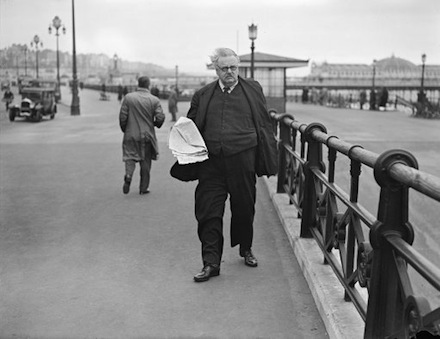
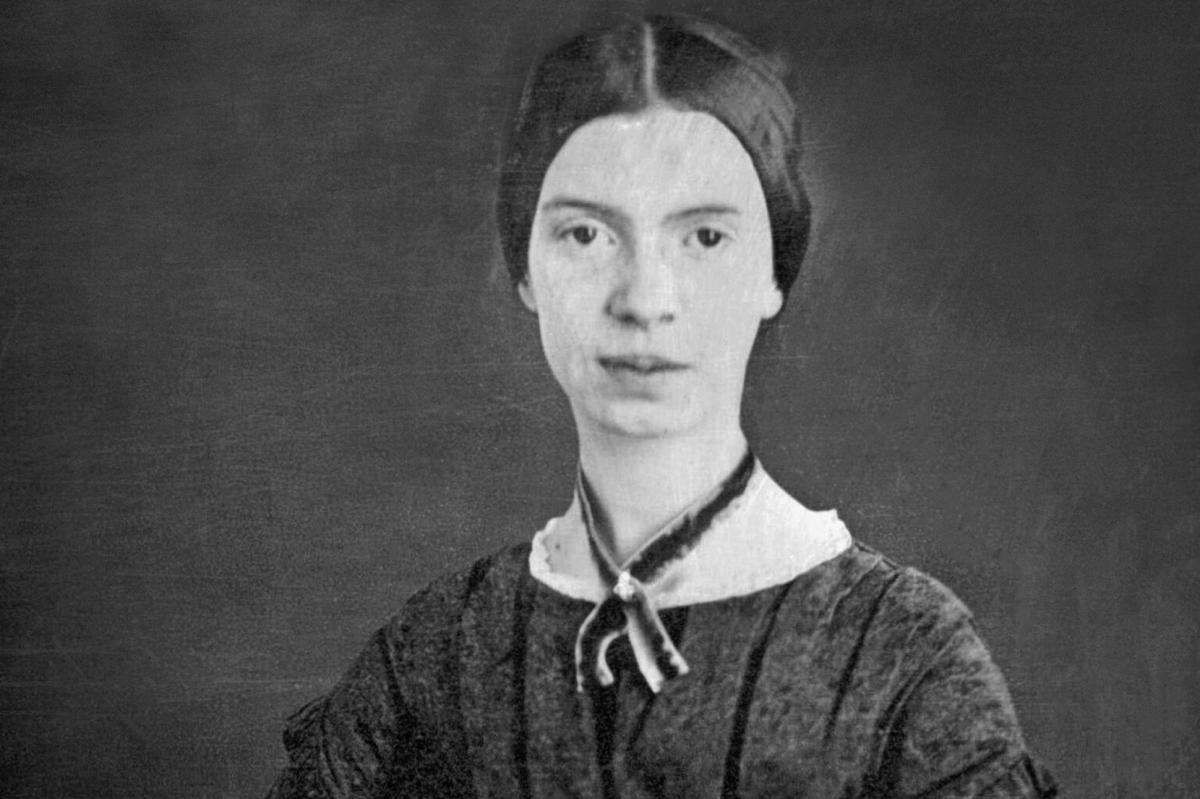
 Emily Dickinson was born in Amherst, Massachusetts, on December 10th, 1830. She was the second of three children, with one elder brother named Austin and a younger sister, Lavinia. Her father was not only a lawyer by trade, but a trustee of Amherst College, where his father had been one of the founders of the school. With their background in education, the Dickinson children were given a thorough education for the time, certainly when it came to the two girls. At the age of 10 Emily and her sister began their studies at Amherst Academy, which had begun to allow female students a scant two years before their studies began. Emily remained at the school for seven years, studying math, literature, latin, botany, history, and all manner of respected academia. Upon finishing her studies at the Academy in 1847, Dickinson enrolled in the Mount Holyoke Female Seminary (now Mount Holyoke College). Although the Seminary was only 10 miles from her home, Dickinson only remained at the school for 10 months before returning home – for reasons many have tried to unearth but none can be sure of.
 Though throughout her late teens Dickinson seemed to enjoy life in Amherst socially, and was certainly already writing poetry (a family friend Benjamin Franklin Newton hinted in letters before his death in this time that he had hoped to live to see her reach the success he knew possible), by her twenties Emily was already feeling a melancholy pull, exacerbated by her emotions when it came to death, and the deaths of those around her. Her mother’s many chronic illnesses kept Emily often at home, and by the 1860s (Dickinson’s 30s) she had already largely pulled out of the public eye. By her 40s, Dickinson rarely left her room, and preferred to speak with visitors through her door rather than face-to-face. Unbeknownst to any, Dickinson worked tirelessly throughout this period on her poetry, and by the end of her life had amassed a collection of roughly 1,800 poems neatly written in hand sewn journals. That being said, less than one dozen of her poems would be published during her lifetime. The first book of her poetry, published four years after her death on May 15th, 1886 by her sister Lavinia, was a resounding success. In less than two years, eleven editions of the first book had been printed, and her words spread across nations.